
Intro
Keyword research used to be the most deterministic part of SEO.
Find keywords. Check volume. Map intent. Create pages.
In 2026, that workflow is no longer enough.
AI-driven search, semantic understanding, and AI Overviews have fundamentally changed how keywords behave, how users search, and how visibility is earned. Keywords still matter — but how they matter has shifted.
This article explains what AI has changed about keyword research, why many traditional methods now mislead SEOs, and what to do instead if you want to stay competitive.
Why Traditional Keyword Research Is Breaking Down
Classic keyword research assumes three things:
- Queries are stable
- Search intent is static
- Rankings drive traffic
AI has weakened all three assumptions.
The All-in-One Platform for Effective SEO
Behind every successful business is a strong SEO campaign. But with countless optimization tools and techniques out there to choose from, it can be hard to know where to start. Well, fear no more, cause I've got just the thing to help. Presenting the Ranktracker all-in-one platform for effective SEO
We have finally opened registration to Ranktracker absolutely free!
Create a free accountOr Sign in using your credentials
With AI Overviews and conversational search, users:
- Ask broader questions
- Refine intent inside the SERP
- Skip clicks entirely
- Follow unpredictable query chains
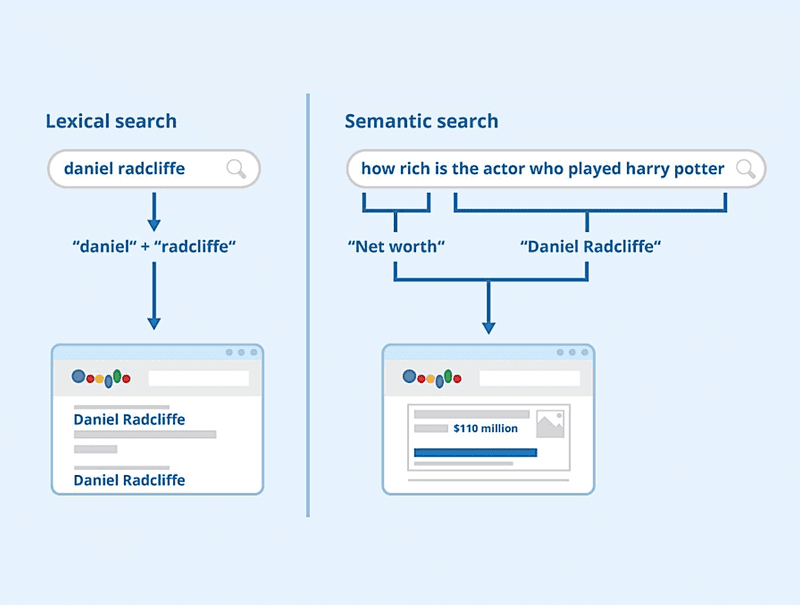
Search engines no longer rely on exact keyword matches. They interpret meaning, not strings.
Google now processes queries using entity relationships, context, and intent prediction — not just keyword relevance.
AI Changed How Queries Are Interpreted
AI doesn’t treat keywords as targets. It treats them as signals.
For example:
- “best CRM”
- “CRM for small teams”
- “simple CRM without bloat”
These may trigger different SERPs — but AI understands they belong to the same conceptual space.
Instead of asking: “What keyword should this page target?”
Search engines ask: “What problem is this user trying to solve?”
This is why pages now rank for hundreds or thousands of queries they never explicitly target.
Why Search Volume Is Less Important Than Ever
Search volume used to define opportunity.
The All-in-One Platform for Effective SEO
Behind every successful business is a strong SEO campaign. But with countless optimization tools and techniques out there to choose from, it can be hard to know where to start. Well, fear no more, cause I've got just the thing to help. Presenting the Ranktracker all-in-one platform for effective SEO
We have finally opened registration to Ranktracker absolutely free!
Create a free accountOr Sign in using your credentials
In AI-driven search, it often defines noise.
High-volume keywords:
- Trigger AI Overviews more often
- Suffer heavier zero-click behavior
- Are dominated by broad intent
- Produce lower conversion efficiency
Low-volume queries, on the other hand:
- Often bypass AI summaries
- Represent clearer intent
- Convert disproportionately well
- Are easier to satisfy completely
AI doesn’t reward popularity. It rewards intent resolution.
Keyword Research vs Topic Research
The biggest shift is this:
Keyword research finds terms. Modern SEO needs topics.
AI systems evaluate:
- Topic coverage
- Semantic depth
- Conceptual completeness
A single keyword page without surrounding context is weak.
A topic cluster with definitions, use cases, comparisons, and implementation guides signals authority — even if no single keyword dominates.
This is why topical authority consistently outperforms isolated keyword targeting in AI-driven SERPs.
Why Keyword Lists Don’t Predict Traffic Anymore
Traditional keyword tools still show:
- Search volume
- Keyword difficulty
- SERP competition
What they don’t show well is:
- AI Overview presence
- Zero-click probability
- Query chaining behavior
- Visibility without clicks
A keyword with 10,000 searches may deliver less traffic than a cluster of ten 100-search queries — simply because AI absorbs the first and defers clicks on the second.
This is why ranking reports increasingly conflict with analytics.
What SEOs Should Do Instead
1. Shift From Keywords to Questions
AI-driven search is question-led.
Instead of building pages around:
- “AI SEO tools”
Build around:
- “How do AI SEO tools work?”
- “When should you use AI for SEO?”
- “What are the risks of AI-generated SEO?”
Questions reveal intent depth, not just demand.
Pages that answer questions clearly are more likely to:
- Rank for multiple queries
- Appear in AI Overviews
- Be reused in summaries
2. Map Keyword Families, Not Single Terms
Modern keyword research should group queries by problem, not phrasing.
For example:
- “best internal linking strategy”
- “how to structure internal links”
- “internal linking for topical authority”
These don’t need three pages. They need one authoritative resource.
AI rewards consolidation over fragmentation.
3. Analyze SERP Composition, Not Just Rankings
Before targeting a keyword, look at:
- Is there an AI Overview?
- Are forums dominating?
- Are results informational or experiential?
- Are clicks likely?
If Reddit and forums dominate, the intent is human and opinion-led. If AI summaries dominate, the intent is definitional.
This determines content format, not just keyword choice.
4. Measure Visibility, Not Just Position
Keyword research used to answer: “Can we rank?”
Now it should answer: “Can we be visible?”
Visibility includes:
- AI summaries
- Featured snippets
- PAA inclusion
- Brand recall
SEO platforms like Ranktracker increasingly emphasize topic visibility, SERP features, and impression coverage because keyword position alone no longer explains performance.
5. Let Keywords Emerge, Don’t Force Them
One of the biggest mistakes in AI-era SEO is over-targeting.
Well-structured, authoritative pages naturally rank for:
- Long-tail variations
- Conversational queries
- Unplanned searches
Instead of asking: “Which keywords should we include?”
Ask: “What must this page fully explain?”
Keywords follow clarity.
What Still Matters From Traditional Keyword Research
Not everything is obsolete.
The All-in-One Platform for Effective SEO
Behind every successful business is a strong SEO campaign. But with countless optimization tools and techniques out there to choose from, it can be hard to know where to start. Well, fear no more, cause I've got just the thing to help. Presenting the Ranktracker all-in-one platform for effective SEO
We have finally opened registration to Ranktracker absolutely free!
Create a free accountOr Sign in using your credentials
Keyword research still matters for:
- Commercial intent pages
- Pricing and comparison content
- Product-led queries
- Brand protection
The difference is scope.
Keywords now validate intent. They no longer define content.
The New Keyword Research Mindset
In 2026, keyword research is no longer about finding words to rank for.
It’s about:
- Understanding how users explore problems
- Identifying where AI resolves intent
- Finding where clicks still happen
- Building content that owns the subject
AI didn’t kill keyword research. It exposed its limits.
The SEOs who win aren’t chasing keywords — they’re mapping meaning.

