Intro
AI-powered SaaS products face a unique paradox in search.
You build AI systems. You market AI capabilities. Yet Google’s own AI now explains what AI is, how it works, and when it should be trusted — often before buyers ever reach your site.
AI Overviews are not just another SEO disruption for AI SaaS companies. They are a direct collision between two AI systems competing to define truth, credibility, and usefulness.
Google is no longer ranking AI products by feature pages alone. It is standardizing how AI itself is explained.
For AI-powered SaaS vendors, this is not a traffic problem. It is a credibility and positioning problem.
The All-in-One Platform for Effective SEO
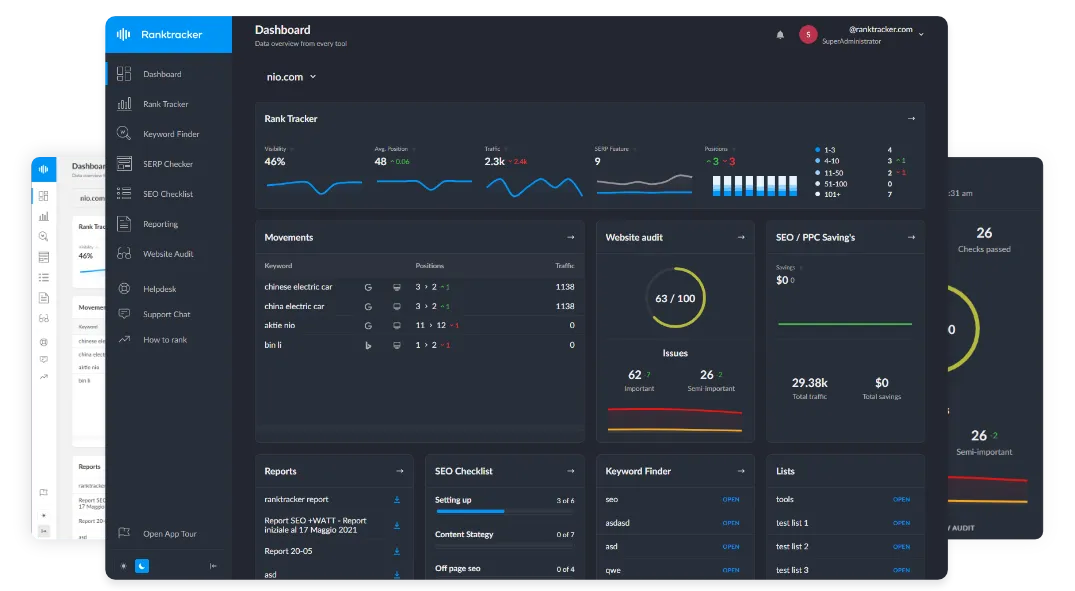
Behind every successful business is a strong SEO campaign. But with countless optimization tools and techniques out there to choose from, it can be hard to know where to start. Well, fear no more, cause I've got just the thing to help. Presenting the Ranktracker all-in-one platform for effective SEO
We have finally opened registration to Ranktracker absolutely free!
Create a free accountOr Sign in using your credentials
This article is part of Ranktracker’s deep AI SEO series and goes in depth on how AI Overviews affect AI-powered SaaS products specifically, how buyers interpret AI explanations in search, how Google selects sources, what content influences AI summaries, and how AI SaaS companies can maintain authority when attribution disappears.
1. Why AI Overviews Are Especially Dangerous — and Powerful — for AI SaaS
AI SaaS companies operate in a category where buyer trust is fragile.
Most buyers are asking:
- “Is this real AI or marketing?”
- “How does this actually work?”
- “What are the limitations?”
- “What risks does this introduce?”
AI Overviews now answer these questions for them.
AI Buyers Search for Validation, Not Discovery
Common AI SaaS queries include:
- “How does AI content generation work?”
- “Is AI forecasting reliable?”
- “What are the risks of AI automation?”
- “How accurate is machine learning for X?”
- “Can AI replace human decision-making?”
These are high-impact AI Overview triggers.
If Google explains AI using frameworks that don’t align with your product, your positioning becomes defensive by default.
AI SaaS Is Flooded With Misinformation
AI categories suffer from:
- Buzzwords
- Over-promising
- Vague explanations
- Inconsistent terminology
- Conflicting claims
AI Overviews attempt to normalize and simplify AI narratives.
Whoever influences those explanations determines:
- What feels legitimate
- What feels exaggerated
- What feels risky
- What feels “enterprise-ready”
2. How AI Overviews Reshape the AI SaaS Buyer Journey
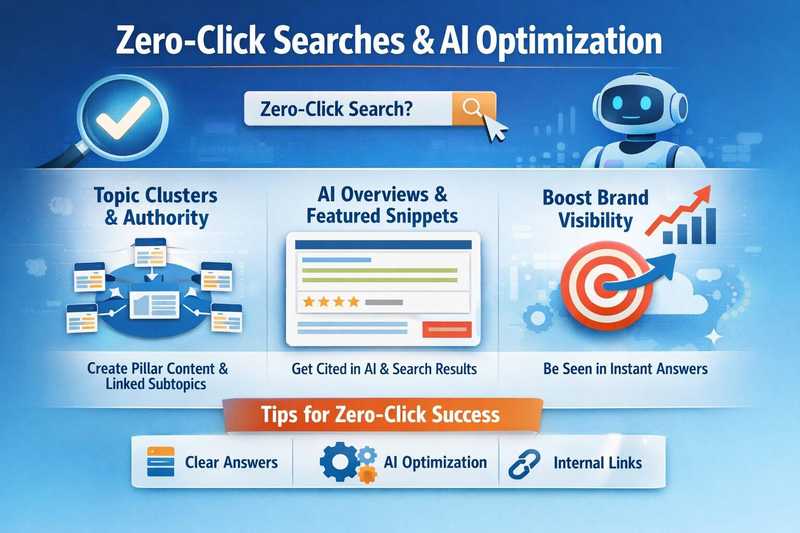
AI Overviews compress education, skepticism, and validation into a single SERP experience.
Awareness → Reality Check
AI Overviews define:
- What AI can actually do
- What problems it realistically solves
- Where human oversight is required
- Where AI fails
If your product depends on unrealistic expectations, AI Overviews expose that immediately.
Consideration → Risk Normalization
Buyers ask:
- “Is this safe?”
- “Is this compliant?”
- “Is this explainable?”
- “Is this production-ready?”
AI Overviews normalize acceptable AI architectures and risk models before vendors are compared.
Evaluation → Credibility Filtering
By the time buyers reach vendor pages:
- They already have a mental model of “good AI”
- Certain claims feel exaggerated
- Certain architectures feel outdated
AI SEO now determines who sounds credible — and who sounds like hype.
3. The Attribution Black Hole for AI SaaS SEO
AI SaaS teams already struggle with attribution because:
- Buyers research deeply
- Sales cycles are long
- Trust building precedes demos
AI Overviews widen that gap.
Your content may:
- Explain how your AI works
- Influence buyer expectations
- Normalize your approach
- Reduce skepticism
Yet analytics may show:
- Traffic decline
- Flat conversions
- No clear attribution
This leads to a dangerous mistake:
The All-in-One Platform for Effective SEO
Behind every successful business is a strong SEO campaign. But with countless optimization tools and techniques out there to choose from, it can be hard to know where to start. Well, fear no more, cause I've got just the thing to help. Presenting the Ranktracker all-in-one platform for effective SEO
We have finally opened registration to Ranktracker absolutely free!
Create a free accountOr Sign in using your credentials
“SEO isn’t driving growth”
When in reality:
SEO is de-risking the sale before it starts.
4. How Google Chooses Sources for AI SaaS AI Overviews
Google applies stricter trust heuristics when explaining AI itself.
4.1 Explanation Quality Beats Brand Size
AI Overviews often pull from:
- Technical blogs
- Documentation-style pages
- Clear explainers
- Neutral educational content
Especially when:
- The category is new
- Enterprise consensus is weak
- Marketing claims conflict
Small AI SaaS companies with clear explanations can outperform larger brands with vague messaging.
4.2 Entity Signals and AI Category Association
Google treats AI SaaS platforms as entities with technical roles.
Signals include:
- Consistent association with a specific AI function (e.g. forecasting, NLP, anomaly detection)
- Clear articulation of model type and limitations
- Alignment between blog content, docs, and product claims
- Repeated co-occurrence with problem-specific language
Vendors that try to be “AI for everything” lose AI trust.
4.3 Stability of Definitions and Claims
AI Overviews penalize:
- Shifting explanations
- Inflated claims
- Ambiguous terminology
- Overuse of “AI-powered” without context
Content that performs well:
- Explains models plainly
- Acknowledges limitations
- Separates automation from intelligence
- Uses stable, repeatable definitions
AI prefers honest AI.
5. The Strategic Shift for AI SaaS SEO Teams
Old AI SaaS SEO
- “Rank for AI software keywords”
- “Highlight AI features everywhere”
- “Chase hype-driven demand”
AI-First AI SaaS SEO
- Explain how the AI actually works
- Define boundaries and limitations
- Normalize realistic use cases
- Become the trusted explainer Google uses
If Google explains AI differently than you do, Google wins.
6. Content Types That Influence AI Overviews for AI-Powered SaaS
6.1 AI Concept and Definition Pages
Examples:
- “What Is Machine Learning in Business?”
- “What Is Generative AI?”
- “What Is Predictive AI vs Prescriptive AI?”
These anchor AI explanations.
6.2 Architecture and Model Explanations
Buyers want clarity on:
- Model types
- Training data
- Inference vs automation
- Human-in-the-loop design
AI Overviews heavily favor technical clarity without jargon.
6.3 Risk, Ethics, and Limitations Content
AI buyers actively search for:
- Bias risks
- Hallucinations
- Compliance implications
- Explainability limits
Content that admits limits builds AI trust.
6.4 Neutral Comparisons and Trade-Offs
AI Overviews favor content explaining:
- When AI is appropriate
- When rules-based systems are better
- When human decision-making is required
Pure hype content is excluded.
7. How to Structure AI SaaS Content for AI Overviews
Lead With the Plain-Language Definition
Every core page should start with:
- A one-sentence explanation
- No buzzwords
- Clear scope
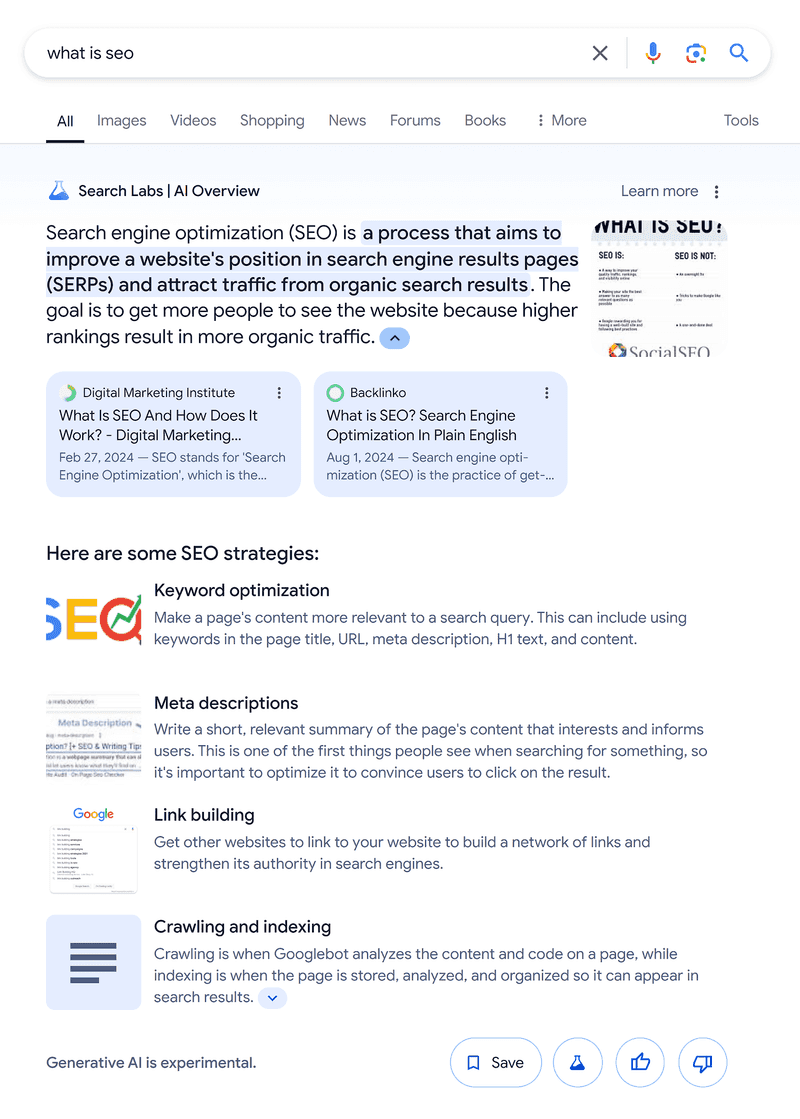
AI Overviews extract early definitions heavily.
Enforce Semantic Discipline
AI SaaS teams must maintain:
- One definition per AI concept
- One explanation of how models work
- Consistent claims across all pages
AI distrusts moving explanations.
Build Trust Density, Not Content Volume
AI SaaS SEO should focus on:
- Fewer topics
- Deeper explanations
- Reinforced definitions
- Strong internal linking
Depth beats breadth.
8. Measuring AI SaaS SEO Success in an AI Overview World
Traffic metrics alone are misleading.
What matters now:
- Which AI keywords trigger AI Overviews
- Desktop vs mobile AI visibility
- Visibility loss without ranking loss
- Sales feedback (“they already understand the AI”)
- Reduced skepticism in demos
SEO becomes credibility infrastructure.
9. Why AI Overview Tracking Is Mandatory for AI SaaS Products
AI SaaS companies cannot afford narrative drift.
Without AI Overview tracking, you won’t know:
- When Google reframes AI concepts
- When competitors replace your explanations
- Which AI topics you’re losing authority on
- Where trust gaps exist
This is where Ranktracker becomes essential.
Ranktracker enables AI SaaS teams to:
- Track AI Overviews per keyword
- Monitor desktop and mobile SERPs
- View AI results alongside full Top 100 rankings
- Detect AI-driven visibility loss before revenue impact
You cannot manage AI credibility without AI-layer observability.
10. Conclusion: AI Overviews Decide How AI Is Understood — AI SaaS Must Lead the Explanation
AI Overviews do not weaken AI SaaS SEO. They decide which AI explanations are trusted.
In an AI-first SERP:
- Traffic is optional
- Credibility is decisive
- Honesty outperforms hype
- Visibility precedes attribution
AI-powered SaaS companies that adapt will:
- Define realistic AI expectations
- Influence buyers before skepticism hardens
- Reduce reliance on paid education
- Build durable trust in crowded markets
The AI SaaS SEO question has fundamentally changed.
It is no longer:
The All-in-One Platform for Effective SEO
Behind every successful business is a strong SEO campaign. But with countless optimization tools and techniques out there to choose from, it can be hard to know where to start. Well, fear no more, cause I've got just the thing to help. Presenting the Ranktracker all-in-one platform for effective SEO
We have finally opened registration to Ranktracker absolutely free!
Create a free accountOr Sign in using your credentials
“How do we rank for AI keywords?”
It is now:
“How does Google explain AI — and are we part of that explanation?”
Those who shape the explanation shape the future of AI adoption.