
Intro
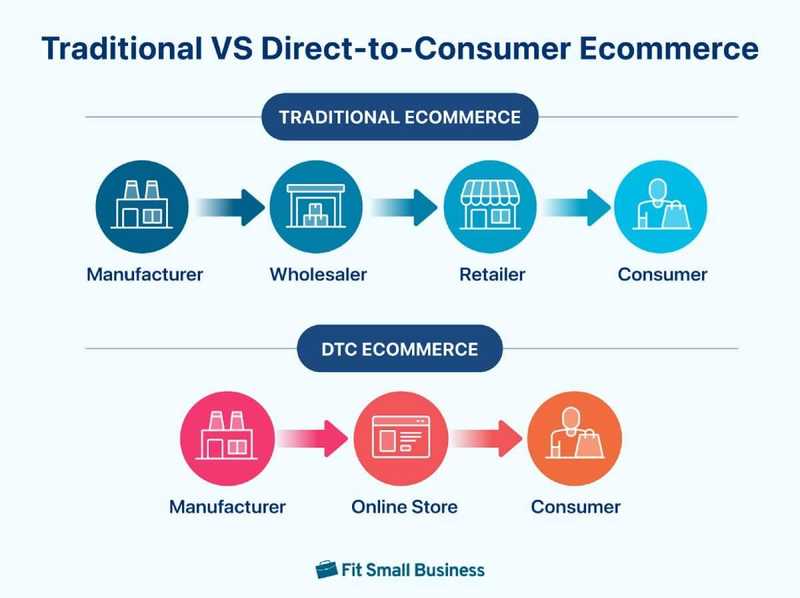
Direct-to-consumer brands live or die on explanation.
Unlike marketplaces, DTC brands don’t win because they’re cheapest or most visible by default. They win because they:
- Tell a compelling story
- Explain why their product exists
- Justify price, quality, and differentiation
- Build trust without intermediaries
AI Overviews now sit in front of that story.
Google is no longer just sending shoppers to DTC websites. It is summarising buying decisions, comparisons, and trust signals directly in the SERP — often before a user ever sees your brand.
For DTC companies, this is not an SEO inconvenience. It is a brand control problem.
This article is part of Ranktracker’s AI Overviews series and goes deep into how AI Overviews affect DTC brands specifically, how consumer behaviour changes, how Google selects sources for DTC-related AI summaries, and what DTC teams must do to stay visible, trusted, and chosen in an AI-first commerce environment.
1. Why AI Overviews Are Especially Disruptive for DTC Brands
DTC brands rely on education and persuasion, not distribution power.
The All-in-One Platform for Effective SEO
Behind every successful business is a strong SEO campaign. But with countless optimization tools and techniques out there to choose from, it can be hard to know where to start. Well, fear no more, cause I've got just the thing to help. Presenting the Ranktracker all-in-one platform for effective SEO
We have finally opened registration to Ranktracker absolutely free!
Create a free accountOr Sign in using your credentials
AI Overviews compress that persuasion into a single answer.
DTC Buyers Search to Decide, Not Browse
Common DTC queries include:
- “Is X brand worth it?”
- “Best sustainable clothing brands”
- “Is bamboo bedding better than cotton?”
- “Which skincare brand is best for sensitive skin?”
- “Are DTC mattresses better than store brands?”
These are high-intent AI Overview triggers.
If Google answers them without your framing, your brand story never enters the conversation.
DTC Differentiation Is Subtle — AI Overviews Flatten It
DTC brands differentiate on:
- Materials
- Ethics
- Sourcing
- Fit and feel
- Design philosophy
- Use-case nuance
AI Overviews flatten nuance unless it is:
- Clearly explained
- Repeated consistently
- Structured for extraction
If your differentiation lives only in visuals or emotional copy, AI Overviews ignore it.
2. How AI Overviews Reshape the DTC Buyer Journey
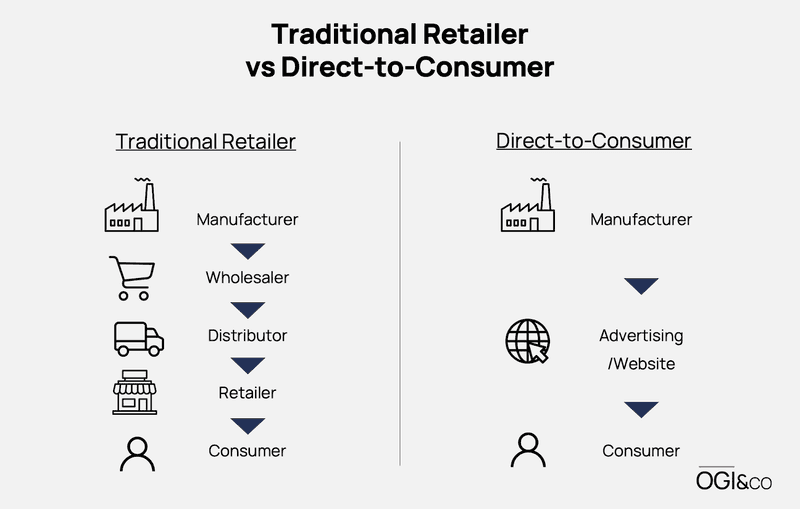
AI Overviews fundamentally change how DTC brands are discovered.
Discovery → Brand Shortlisting
AI Overviews now decide:
- Which brands are “top options”
- What criteria matter
- What trade-offs are acceptable
If your brand doesn’t appear here, you’re not discovered later.
Comparison → Trust Filtering
AI Overviews summarise:
- Pros and cons
- Material differences
- Price-to-value logic
- Who the product is (and isn’t) for
This happens before a user reaches your PDP.
Purchase → Confirmation, Not Persuasion
When users finally land on a DTC site:
- The decision is largely made
- Skepticism is already resolved (or not)
- Your job is validation, not education
SEO influence now happens before the site visit exists.
3. The DTC Attribution Illusion in an AI-First SERP
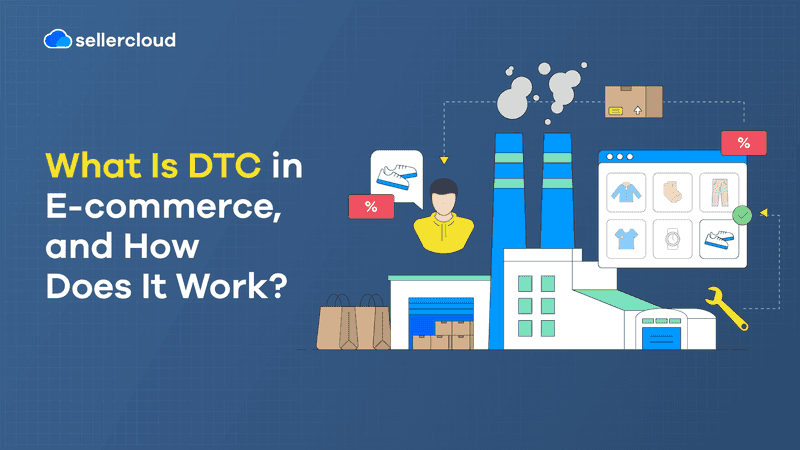
Many DTC brands will notice:
- Lower organic sessions
- Higher branded search volume
- Higher conversion rates on less traffic
This often triggers panic.
Your content may:
- Influence buying decisions
- Shape comparisons
- Build trust upstream
But analytics shows:
“SEO traffic is down”
The All-in-One Platform for Effective SEO
Behind every successful business is a strong SEO campaign. But with countless optimization tools and techniques out there to choose from, it can be hard to know where to start. Well, fear no more, cause I've got just the thing to help. Presenting the Ranktracker all-in-one platform for effective SEO
We have finally opened registration to Ranktracker absolutely free!
Create a free accountOr Sign in using your credentials
In reality:
SEO is working outside the analytics window.
AI Overviews create invisible demand.
4. How Google Chooses Sources for DTC AI Overviews
Google applies ecommerce-specific trust heuristics — but DTC brands are judged differently from marketplaces.
4.1 Brand Clarity Beats Store Size
Google prefers DTC sources that:
- Clearly define what the product is
- Explain who it’s for
- State why it exists
- Acknowledge limitations honestly
Many DTC sites fail here by leaning too hard on lifestyle copy.
4.2 Entity Signals Matter More Than Ever
Google treats DTC brands as brand entities, not just ecommerce sites.
Signals include:
- Consistent niche positioning
- Repeated mentions across reviews, blogs, and media
- Stable product taxonomy
- Clear brand narrative across all pages
One-product or trend-chasing brands struggle to influence AI summaries.
4.3 Structure and Comparability Are Critical
AI Overviews favour content that:
- Explains features plainly
- Enables comparison
- Avoids exaggerated claims
- Uses predictable structure
Emotion without explanation does not feed AI.
5. The Strategic Shift for DTC SEO
Old DTC SEO
- Rank collection pages
- Optimise PDPs
- Chase “best X” keywords
- Rely on backlinks and influencers
AI-First DTC SEO
- Influence buying explanations
- Define evaluation criteria
- Own category education
- Become a trusted brand entity
If Google compares products without your logic, your brand becomes interchangeable.
6. Content Types That Influence AI Overviews for DTC Brands
6.1 Buying Guides and Educational Content
Examples:
- “How to choose sustainable activewear”
- “What makes a high-quality mattress?”
- “Which skincare ingredients help sensitive skin?”
These pages anchor AI explanations.
6.2 Honest Product Explainers
DTC PDPs should clearly explain:
- Who the product is for
- What problem it solves
- Where it excels
- Where it may not be ideal
Honesty builds AI trust — and customer trust.
6.3 Comparison and Trade-Off Content
AI Overviews heavily favour:
- Material comparisons
- Use-case breakdowns
- Price-to-value explanations
Avoid sales-only “vs” pages.
6.4 Category Definition Pages
DTC brands must explain:
- What defines the category
- What features matter
- What is marketing fluff vs real value
Categories must educate, not just list products.
7. How to Structure DTC Content for AI Overviews
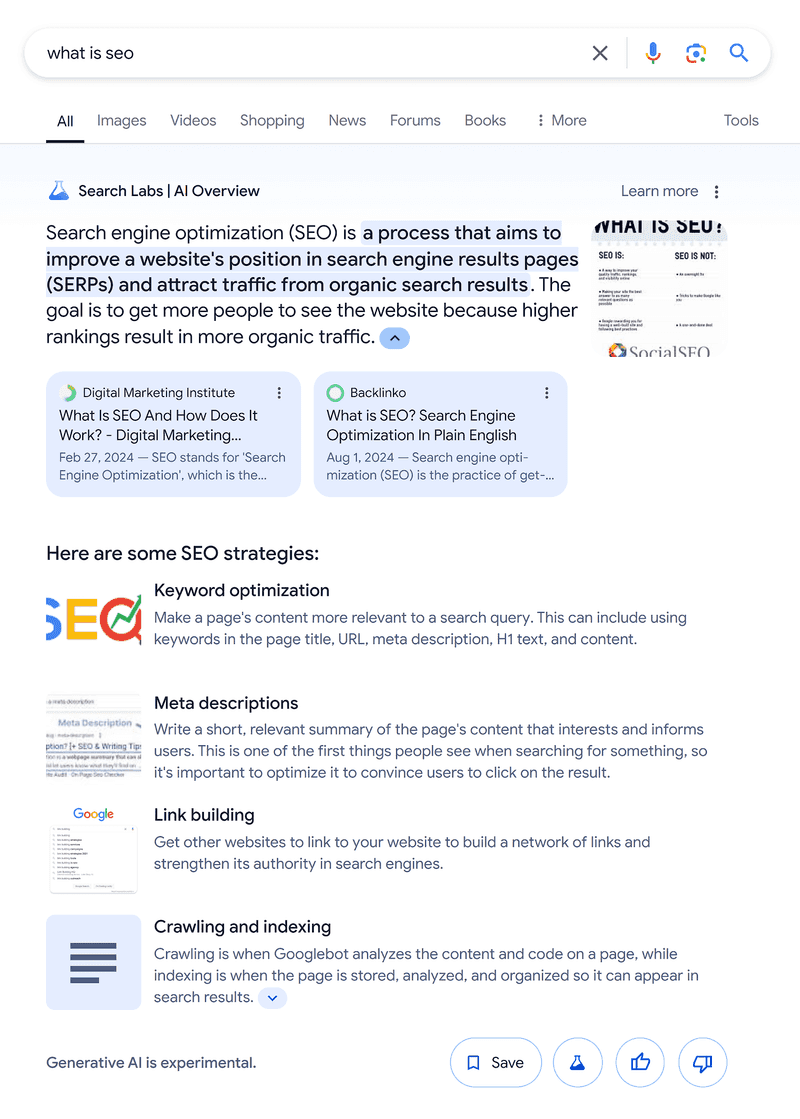
Lead With the Answer
Every key page should start with:
- A clear definition
- Immediate value explanation
- Minimal fluff
AI Overviews extract early content aggressively.
Standardise Language Across the Brand
DTC brands must maintain:
- One naming convention
- One feature explanation
- One brand narrative
AI distrusts inconsistency.
Build Depth in One Niche First
Winning DTC brands:
- Own one category deeply
- Explain it better than anyone
- Expand only after authority is built
Depth beats catalogue size.
8. Measuring DTC SEO Success in an AI Overview World
Traffic alone is misleading.
DTC teams should track:
- Keywords that trigger AI Overviews
- Desktop vs mobile differences
- Growth in branded searches
- Conversion rates on organic traffic
- Assisted conversions from organic discovery
SEO becomes brand demand infrastructure, not just acquisition.
9. Why AI Overview Tracking Is Essential for DTC Brands
Without AI Overview tracking, DTC teams are guessing.
You won’t know:
- When Google replaces clicks with summaries
- When competitors dominate comparisons
- Which products lose AI visibility
- Where content reinforcement is needed
This is where Ranktracker becomes essential.
Ranktracker allows DTC brands to:
- Track AI Overviews per keyword
- Monitor desktop and mobile SERPs
- See AI results alongside full Top 100 rankings
- Detect AI-driven visibility loss before revenue drops
You cannot protect DTC SEO without AI-layer visibility.
10. Conclusion: AI Overviews Decide Which DTC Brands Get Chosen
AI Overviews do not kill DTC SEO. They decide which brands are trusted.
In an AI-first ecommerce SERP:
- Clicks are optional
- Comparisons happen instantly
- Trust beats rankings
- Visibility precedes conversion
DTC brands that adapt will:
- Influence buying decisions earlier
- Reduce dependency on paid ads
- Build stronger brand recall
- Protect margins in competitive markets
The DTC SEO question has changed.
It is no longer:
The All-in-One Platform for Effective SEO
Behind every successful business is a strong SEO campaign. But with countless optimization tools and techniques out there to choose from, it can be hard to know where to start. Well, fear no more, cause I've got just the thing to help. Presenting the Ranktracker all-in-one platform for effective SEO
We have finally opened registration to Ranktracker absolutely free!
Create a free accountOr Sign in using your credentials
“How do we rank our products?”
It is now:
“How does Google explain our category — and are we part of that explanation?”
Those who shape the explanation shape the brand.

