
Intro

AI Overviews are quietly rewriting the rules of ecommerce SEO.
For years, ecommerce success in search followed a predictable pattern: rank product pages, rank category pages, capture comparison traffic, and convert intent into revenue. AI Overviews break that sequence.
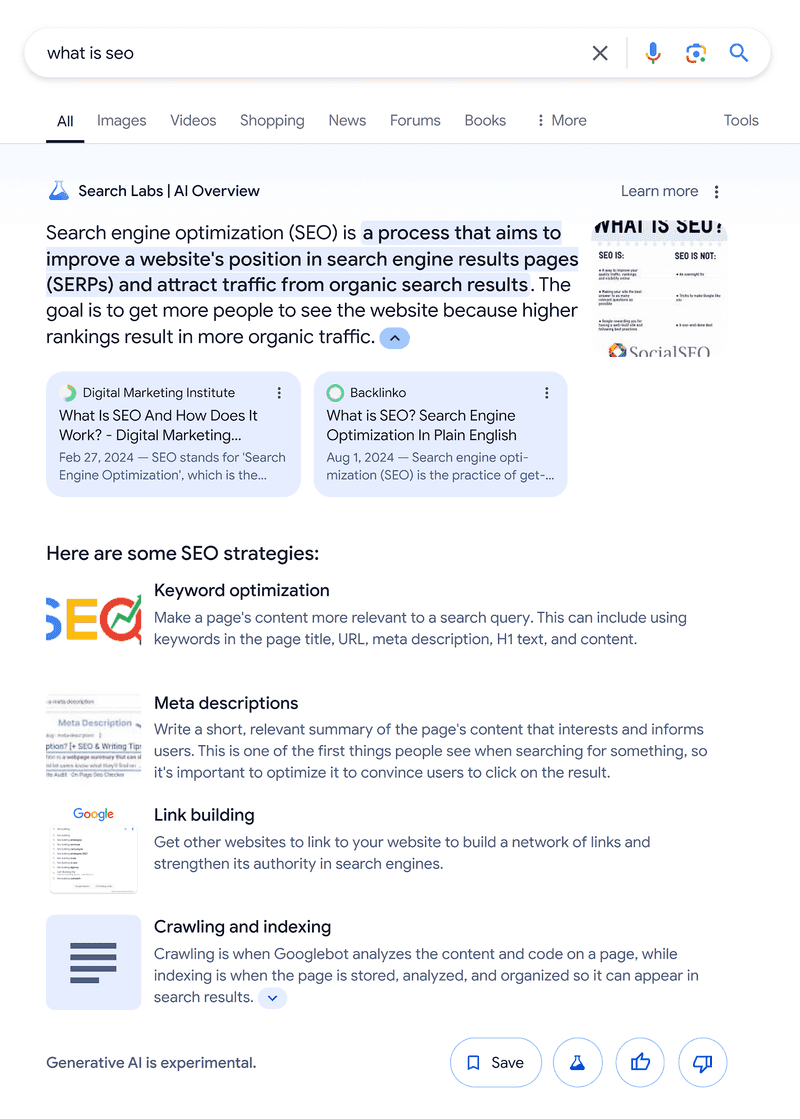
Google is no longer just sending shoppers to stores. It is answering shopping questions directly — comparing products, summarizing options, and resolving intent before a user ever lands on a site.
For ecommerce brands, this is not simply an SEO challenge. It is a commercial risk and opportunity combined.
This article is part of Ranktracker’s AI Overviews series and goes deep into how AI Overviews affect ecommerce sites specifically, how shopping behavior changes in AI-driven SERPs, what Google looks for when generating ecommerce-related AI summaries, which content actually influences those answers, and how ecommerce brands can retain visibility and demand in a zero-click environment.
1. Why AI Overviews Matter More Than Ever for Ecommerce
The All-in-One Platform for Effective SEO
Behind every successful business is a strong SEO campaign. But with countless optimization tools and techniques out there to choose from, it can be hard to know where to start. Well, fear no more, cause I've got just the thing to help. Presenting the Ranktracker all-in-one platform for effective SEO
We have finally opened registration to Ranktracker absolutely free!
Create a free accountOr Sign in using your credentials
Ecommerce search is intent-heavy, comparison-driven, and highly competitive — exactly the type of environment AI Overviews are designed to “simplify.”
Ecommerce Buyers Search to Decide, Not Browse
Common ecommerce queries include:
- “Best running shoes for flat feet”
- “iPhone vs Samsung battery life”
- “Is X worth buying?”
- “Which mattress is better for back pain?”
- “Best budget laptops for students”
These are prime AI Overview triggers.
Instead of clicking multiple product pages, users increasingly get:
- A summarized comparison
- Pros and cons
- Use-case recommendations
- Buying considerations
If your store doesn’t influence that summary, you may never be considered.
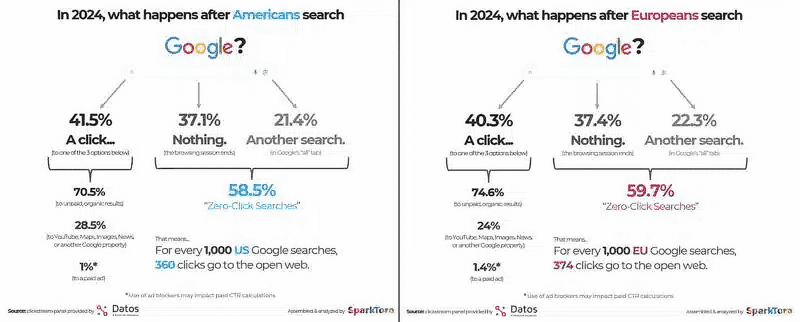
Ecommerce Is Vulnerable to Zero-Click Decisions
Unlike SaaS or B2B, ecommerce purchases can happen quickly. If AI Overviews resolve the decision:
- The user may go directly to a marketplace
- Or search branded queries for one option
- Or abandon browsing entirely
SEO influence now happens before the store visit, not during it.
2. How AI Overviews Reshape the Ecommerce Buyer Journey
AI Overviews compress traditional ecommerce funnels.
Discovery → Shortlisting
AI Overviews decide:
- Which products are “top options”
- Which features matter
- Which brands are trustworthy
Products excluded here are rarely rediscovered later.
Comparison → Elimination
AI Overviews normalize:
- Feature expectations
- Price-to-value trade-offs
- Common drawbacks
By the time users click, they’ve already eliminated most options.
Purchase → Brand Search
Many users now:
- Read AI Overviews
- Choose a product
- Then search the brand or model directly
This makes brand presence inside AI Overviews critical.
3. The Ecommerce Attribution Problem Gets Worse
Ecommerce teams already struggle with attribution across:
- Organic
- Paid
- Marketplaces
- Affiliates
AI Overviews add another invisible layer.
Your content may:
- Influence buying decisions
- Shape product comparisons
- Highlight key features
- Reduce uncertainty
Yet analytics may show:
- Lower organic traffic
- Fewer category page visits
- No clear attribution
This leads to a dangerous assumption:
“SEO is losing value”
In reality:
SEO is influencing the decision before the click exists.
4. How Google Chooses Sources for Ecommerce AI Overviews
Google applies ecommerce-specific trust and relevance signals when generating AI Overviews.
4.1 Product-Level Authority Beats Page-Level Optimization
Google looks for:
- Consistent product information
- Clear specifications
- Accurate descriptions
- Stable naming conventions
Messy product data weakens AI trust.
4.2 Brand and Merchant Entity Signals Matter
Ecommerce sites are treated as entities, not just URLs.
The All-in-One Platform for Effective SEO
Behind every successful business is a strong SEO campaign. But with countless optimization tools and techniques out there to choose from, it can be hard to know where to start. Well, fear no more, cause I've got just the thing to help. Presenting the Ranktracker all-in-one platform for effective SEO
We have finally opened registration to Ranktracker absolutely free!
Create a free accountOr Sign in using your credentials
Signals include:
- Brand mentions across the web
- Consistent product taxonomy
- Clear merchant identity
- Reliable pricing and availability signals
Stores with chaotic catalogs struggle to influence AI summaries.
4.3 Clarity, Comparability, and Structure
AI Overviews favor content that:
- Clearly compares products
- Explains differences plainly
- Uses structured language
- Avoids marketing fluff
Thin product descriptions are effectively invisible to AI systems.
5. The Strategic Shift for Ecommerce SEO
Old Ecommerce SEO
- Rank category pages
- Optimize product pages
- Chase “best X” keywords
- Compete on backlinks
AI-First Ecommerce SEO
- Influence product comparisons
- Shape buying criteria
- Own feature explanations
- Become a trusted merchant entity
If Google compares products without your framing, you lose control of how your catalog is perceived.
6. Content Types That Influence AI Overviews for Ecommerce Sites
6.1 Buying Guides and Decision Content
Examples:
- “How to choose the right laptop for work”
- “What to look for in a gaming monitor”
- “How mattress firmness affects sleep”
These pages anchor AI explanations.
6.2 Product Comparison Content
AI Overviews heavily favor:
- Side-by-side comparisons
- Feature trade-offs
- Use-case differentiation
Neutral, informative comparisons outperform sales-driven copy.
6.3 Product-Level Explanations
Each product should clearly explain:
- Who it’s for
- What problem it solves
- Where it excels
- Where it doesn’t
Honest clarity builds AI trust.
6.4 Category Definitions
AI needs help understanding categories:
- What defines “budget” vs “premium”
- What separates product types
- What features are standard vs optional
Category pages must educate, not just list products.
7. How to Structure Ecommerce Content for AI Overviews
Lead With Clear Answers
Every key page should answer:
- What this product/category is
- Who it’s for
- Why it matters
Avoid long intros and vague copy.
Standardize Product Data Across the Site
Ensure:
- Consistent naming
- Stable specs
- Clear attributes
- Logical categorization
AI systems punish inconsistency.
Build Decision-Focused Content, Not Just Listings
AI Overviews reward decision support, not inventories.
Ecommerce SEO must help users choose, not just browse.
8. Measuring Ecommerce SEO Success in an AI Overview World
Traffic alone is no longer enough.
Ecommerce teams should track:
- Which keywords trigger AI Overviews
- Desktop vs mobile AI behavior
- Visibility loss without ranking loss
- Growth in branded product searches
- Conversion rate improvements despite lower traffic
SEO becomes demand influence, not just acquisition.
9. Why AI Overview Tracking Is Critical for Ecommerce Sites
Without AI Overview tracking, ecommerce teams are blind.
You won’t know:
- When Google replaces category clicks with summaries
- When competitors dominate comparisons
- Which products lose AI visibility
- Where to optimize content next
This is where Ranktracker becomes essential for ecommerce SEO.
Ranktracker allows ecommerce teams to:
- Track AI Overviews at the keyword level
- Monitor desktop and mobile SERPs separately
- View AI results alongside full Top 100 rankings
- Identify AI-driven visibility loss early
You cannot optimize ecommerce SEO in 2026 without AI-layer visibility.
10. Conclusion: AI Overviews Decide What Shoppers See — Ecommerce Brands Must Shape That View
AI Overviews do not eliminate ecommerce SEO. They move the battle upstream.
In an AI-first SERP:
- Clicks are optional
- Comparisons happen first
- Trust beats rankings
- Visibility precedes conversion
Ecommerce sites that adapt will:
- Influence buying decisions earlier
- Reduce dependency on paid ads
- Build stronger brand recall
- Protect margins in competitive markets
The ecommerce SEO question has changed.
It is no longer:
The All-in-One Platform for Effective SEO
Behind every successful business is a strong SEO campaign. But with countless optimization tools and techniques out there to choose from, it can be hard to know where to start. Well, fear no more, cause I've got just the thing to help. Presenting the Ranktracker all-in-one platform for effective SEO
We have finally opened registration to Ranktracker absolutely free!
Create a free accountOr Sign in using your credentials
“How do we rank our products?”
It is now:
“How does Google explain the buying decision — and are we part of that explanation?”
Those who shape the explanation shape the sale.

