
Intro
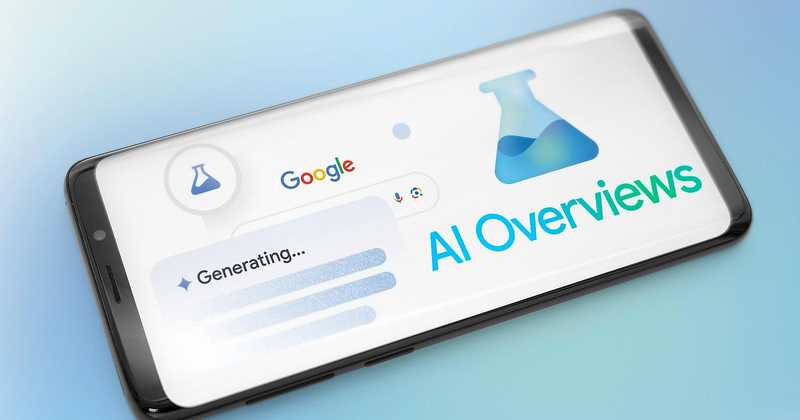
Headless ecommerce was built for speed, flexibility, and control. AI Overviews introduce a new test of that control.
When Google summarizes buying decisions directly in the SERP, your beautifully optimized frontend, blazing-fast UX, and custom checkout flows may never be seen — unless your content, structure, and authority influence the AI layer first.
For headless ecommerce brands, AI Overviews are not a performance problem. They are a visibility and narrative problem.
Google is no longer just ranking category and product URLs. It is explaining product categories, comparisons, and buying criteria independently of frontend experience.
This article is part of Ranktracker’s AI Overviews series and goes deep into how AI Overviews affect headless ecommerce specifically, why composable stacks face unique risks and advantages, how Google selects sources, what content actually feeds AI summaries, and how headless brands can retain control in an AI-first search landscape.
1. Why AI Overviews Are a Structural Challenge for Headless Ecommerce
Headless ecommerce changes how content is delivered — but AI Overviews change whether that content is seen at all.
Headless Optimizes Experience, Not Discovery
Headless stacks excel at:
- Performance and Core Web Vitals
- Personalization
- Omnichannel delivery
- Custom UX flows
AI Overviews don’t care about any of that.
The All-in-One Platform for Effective SEO
Behind every successful business is a strong SEO campaign. But with countless optimization tools and techniques out there to choose from, it can be hard to know where to start. Well, fear no more, cause I've got just the thing to help. Presenting the Ranktracker all-in-one platform for effective SEO
We have finally opened registration to Ranktracker absolutely free!
Create a free accountOr Sign in using your credentials
They care about:
- Explanation quality
- Concept clarity
- Comparability
- Authority signals
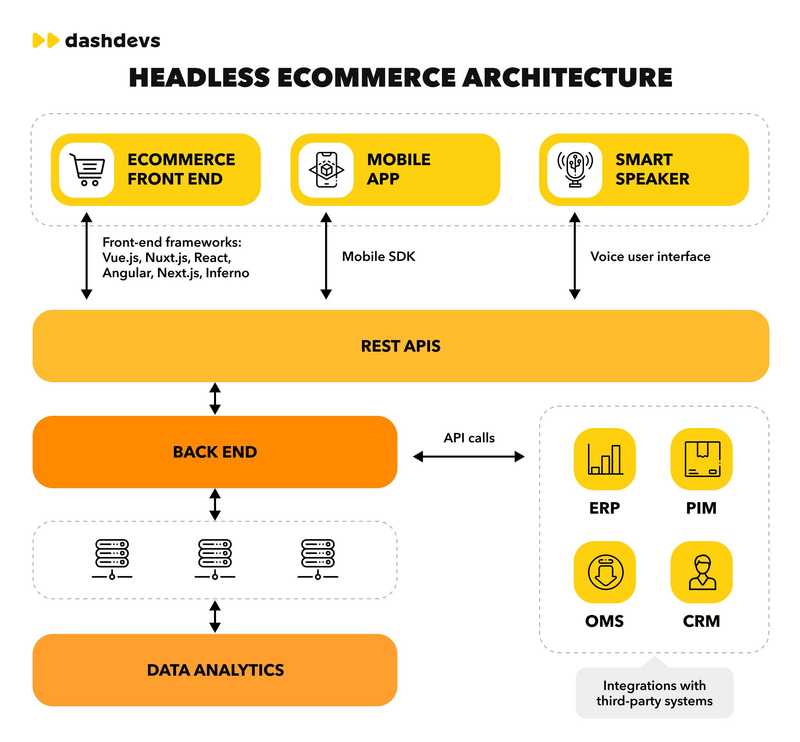
If your content layer is thin or fragmented across APIs, Google has nothing solid to summarize. Execution at scale often depends on experienced composable commerce implementation partners who align modular architecture with stable content models, taxonomy, and integration logic that AI systems can reliably interpret.
Headless Brands Often Underinvest in Content Structure
Many headless builds prioritize:
- Product APIs
- Frontend frameworks
- CMS flexibility
But neglect:
- Canonical content hubs
- Stable URL structures
- Clear category education
- Consistent definitions
AI Overviews punish fragmentation.
2. How AI Overviews Reshape the Headless Ecommerce Buyer Journey
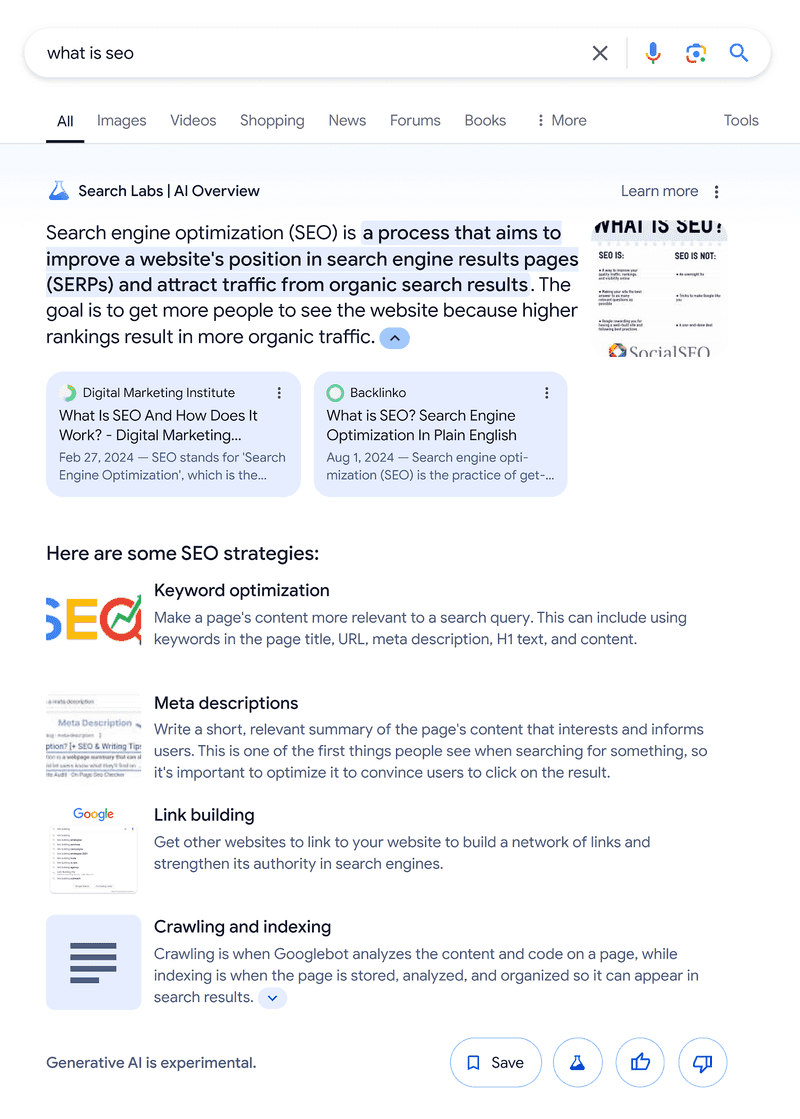
AI Overviews compress discovery even more aggressively for headless brands.
Discovery → Decision Happens Before Rendering
AI Overviews decide:
- Which product types are best
- Which features matter
- Which trade-offs are acceptable
If your brand isn’t part of that summary, your frontend never loads.
Comparison → Narrative Lock-In
Headless brands often rely on:
- Interactive comparisons
- Personalized experiences
- Dynamic content
AI Overviews flatten all of that into:
- Pros
- Cons
- Use cases
If your differentiation isn’t expressed textually and structurally, it disappears.
Purchase → Brand or Model Search
Users increasingly:
- Read AI Overviews
- Choose a product category or brand
- Search directly for that name
Headless SEO influence now happens before routing, personalization, or experimentation begins.
3. The Headless Attribution Blind Spot Gets Worse
Headless ecommerce teams already struggle with attribution due to:
- Multi-channel journeys
- API-driven personalization
- Decoupled analytics
AI Overviews add another invisible layer.
You may see:
- Fewer organic landings
- Higher branded search
- Higher conversion rates
- Lower total sessions
This leads to the wrong conclusion:
“SEO traffic is down”
When in reality:
SEO is shaping decisions outside the site entirely.
4. How Google Chooses Sources for Headless Ecommerce AI Overviews
The All-in-One Platform for Effective SEO
Behind every successful business is a strong SEO campaign. But with countless optimization tools and techniques out there to choose from, it can be hard to know where to start. Well, fear no more, cause I've got just the thing to help. Presenting the Ranktracker all-in-one platform for effective SEO
We have finally opened registration to Ranktracker absolutely free!
Create a free accountOr Sign in using your credentials
Google does not care that your site is headless. It cares whether your content is intelligible, stable, and authoritative.
4.1 Content Coherence Beats Stack Sophistication
Google favors sources that:
- Clearly define products and categories
- Use consistent terminology
- Maintain stable URLs
- Present comparable information
If your CMS outputs inconsistent variants or fragmented pages, AI trust collapses.
4.2 Entity Signals Matter More Than Frontend Innovation
Headless brands are evaluated as merchant and brand entities.
Signals include:
- Consistent brand messaging
- Clear niche positioning
- Mentions across external content
- Stable product taxonomy
A modern stack without a clear brand narrative is invisible to AI Overviews.
4.3 Structured, Extractable Information Wins
AI Overviews favor content that:
- Answers questions directly
- Explains differences plainly
- Avoids marketing abstraction
- Uses predictable structure
Dynamic content that changes per user can weaken AI extraction if not grounded in canonical text.
5. The Strategic Shift for Headless Ecommerce SEO
Old Headless SEO
- “We’re fast, so we’ll rank”
- “Our UX converts better”
- “We’ll personalize everything”
AI-First Headless SEO
- Influence buying explanations
- Define category logic
- Own product comparisons
- Become a trusted source Google summarizes
If Google explains your category without your logic, your headless advantages never matter.
6. Content Types That Influence AI Overviews for Headless Ecommerce
6.1 Canonical Buying Guides
Examples:
- “How to choose the right electric bike”
- “What to look for in a standing desk”
- “Which protein powder is best for digestion?”
These pages anchor AI summaries.
6.2 Stable Product and Category Explanations
Headless brands must ensure:
- One canonical product explanation
- One category definition
- One source of truth per concept
AI systems need stability.
6.3 Comparison and Trade-Off Content
AI Overviews heavily favor:
- Side-by-side comparisons
- Feature trade-offs
- Use-case suitability
Interactive UX must be backed by static, extractable explanations.
6.4 Brand Philosophy and Differentiation Pages
Headless brands often innovate in:
- Sustainability
- Materials
- Supply chain
- Customization
These must be explained clearly — not just shown visually.
7. How to Structure Headless Ecommerce Content for AI Overviews
Lead With Plain-Language Answers
Every canonical page should start with:
- A clear definition
- Who it’s for
- Why it matters
AI Overviews extract early content aggressively.
Separate Dynamic UX From Canonical Content
Headless teams should:
- Maintain stable content endpoints
- Avoid definition drift
- Ensure SEO-critical pages are not over-personalized
AI distrusts moving targets.
Build Depth in Categories Before Expanding
Winning headless brands:
- Own one category deeply
- Answer every buying question
- Interlink content aggressively
Composable doesn’t mean scattered.
8. Measuring Headless Ecommerce SEO in an AI Overview World
Traditional metrics underreport success.
Headless teams should track:
- Keywords that trigger AI Overviews
- Desktop vs mobile AI behavior
- Visibility loss without ranking loss
- Growth in branded searches
- Conversion efficiency on reduced traffic
SEO becomes demand shaping, not just demand capture.
9. Why AI Overview Tracking Is Non-Negotiable for Headless Ecommerce
Headless ecommerce adds complexity — AI Overviews add uncertainty.
Without AI Overview tracking, you won’t know:
- When Google replaces clicks with summaries
- When competitors dominate AI comparisons
- Which categories lose visibility
- Where to reinforce canonical content
This is where Ranktracker becomes critical.
Ranktracker enables headless ecommerce teams to:
- Track AI Overviews per keyword
- Monitor desktop and mobile SERPs
- See AI results alongside full Top 100 rankings
- Detect AI-driven visibility loss before revenue impact
Composable commerce without AI-layer observability is blind.
10. Conclusion: AI Overviews Decide Whether Headless Ecommerce Is Even Seen
AI Overviews do not care how advanced your frontend is. They care who explains the buying decision first.
In an AI-first ecommerce SERP:
- UX comes after understanding
- Speed comes after visibility
- Personalization comes after trust
- Clicks come last
Headless ecommerce brands that adapt will:
- Influence buying decisions earlier
- Protect discovery in zero-click SERPs
- Reduce reliance on paid acquisition
- Make their frontend worth visiting again
The headless ecommerce SEO question has changed.
It is no longer:
The All-in-One Platform for Effective SEO
Behind every successful business is a strong SEO campaign. But with countless optimization tools and techniques out there to choose from, it can be hard to know where to start. Well, fear no more, cause I've got just the thing to help. Presenting the Ranktracker all-in-one platform for effective SEO
We have finally opened registration to Ranktracker absolutely free!
Create a free accountOr Sign in using your credentials
“How fast can we render?”
It is now:
“How does Google explain our category — and are we part of that explanation?”
Those who shape the explanation decide whether the frontend ever loads.

