Intro
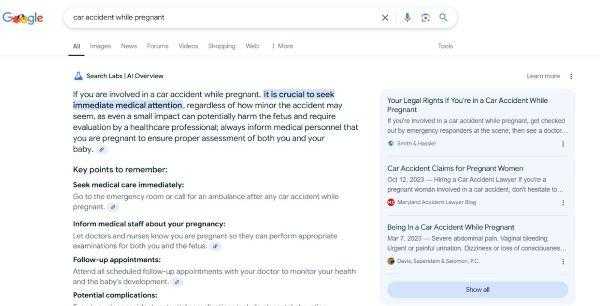
Legal websites operate in one of the most sensitive categories in search.
They influence:
- Legal rights and obligations
- Financial and criminal outcomes
- Personal safety and freedom
- High-stress, time-critical decisions
Because of this, Google treats legal content as strict YMYL (Your Money or Your Life).
AI Overviews now sit between the user and the lawyer.
Google is no longer just ranking law firm pages, legal blogs, or explainer articles. It is summarising legal concepts, outlining options, warning about risks, and clarifying when professional advice is required — directly in the SERP.
For legal websites, this is not a simple SEO visibility change. It is a trust, precision, and jurisdiction-alignment challenge at the highest level.
The All-in-One Platform for Effective SEO
Behind every successful business is a strong SEO campaign. But with countless optimization tools and techniques out there to choose from, it can be hard to know where to start. Well, fear no more, cause I've got just the thing to help. Presenting the Ranktracker all-in-one platform for effective SEO
We have finally opened registration to Ranktracker absolutely free!
Create a free accountOr Sign in using your credentials
This article is part of Ranktracker’s AI Overviews series and explains how AI Overviews affect legal websites, how user behaviour changes, how Google evaluates legal credibility, what content still influences AI summaries, and how legal publishers and firms can remain visible when Google pre-frames legal decisions before the click.
1. Why AI Overviews Have an Outsized Impact on Legal Search
Legal queries are:
- High-risk
- Time-sensitive
- Easy to misunderstand
- Extremely jurisdiction-dependent
This makes them ideal for AI Overviews — and dangerous for low-quality legal content.
Legal Queries That Commonly Trigger AI Overviews
Examples include:
- “Do I need a lawyer for [issue]?”
- “What happens if I [legal action]?”
- “Is [action] legal?”
- “Penalty for [offense]”
- “[Legal term] explained”
Google now responds with:
- High-level explanations
- Jurisdiction warnings
- Risk disclaimers
- Guidance on when to seek a lawyer
If your legal content is vague, generic, or jurisdiction-blind, AI Overviews neutralise it immediately.
AI Overviews Replace Click-Driven Legal Education
Historically:
- Legal sites ranked long explainers
- Users clicked to understand basics
- SEO rewarded length and coverage
AI Overviews now:
- Answer fundamentals instantly
- Filter unsafe or misleading advice
- Escalate “seek a lawyer” messaging
Legal websites are no longer competing on who explains more. They are competing on who explains safely and correctly.
2. How AI Overviews Change Legal User Behaviour
AI Overviews fundamentally change how users approach legal help.
Awareness → Risk Framing in the SERP
Before clicking, users now:
- Understand baseline consequences
- Learn if the issue is serious
- See whether legal advice is recommended
This removes casual, low-intent clicks.
Consideration → Jurisdiction & Credibility Check
When users do click, they want to know:
- “Does this apply where I live?”
- “Is this written by a real legal authority?”
- “Is this informational or advice?”
Generic legal blogs bounce fast.
Conversion → Trust & Professional Escalation
Legal conversions happen when:
- The site clearly distinguishes information vs advice
- Jurisdiction is explicit
- The lawyer or firm feels credible
Aggressive lead capture reduces trust instantly.
3. The Legal Website Traffic Illusion
Legal sites often observe:
- Lower organic traffic
- Fewer informational clicks
- Higher consultation quality
- Better client-fit leads
This can feel like decline.
In reality:
AI Overviews are filtering out people who only needed basic explanation, not legal services.
The shift is from education traffic to qualified legal intent.
4. How Google Evaluates Legal Websites for AI Overviews
Google applies strict legal trust heuristics.
4.1 Accuracy & Scope Beat SEO Optimisation
AI Overviews favour content that:
- Is factually precise
- Avoids speculative language
- Clearly states limitations
Outdated or over-confident legal advice is downgraded.
4.2 Jurisdiction Clarity Is Non-Negotiable
AI distrusts:
- Global legal advice
- “Generally speaking” explanations
- Missing country/state references
Jurisdiction-specific framing is critical.
4.3 Entity-Level Trust Overrides Page SEO
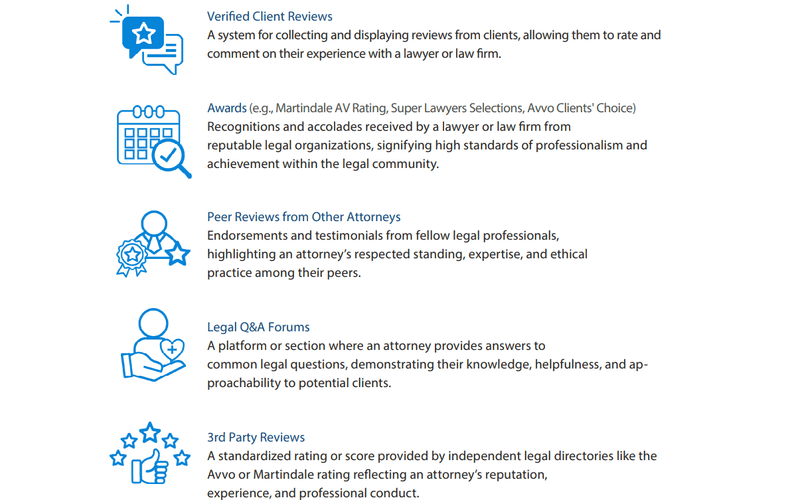
Legal websites are evaluated as legal authorities, not publishers.
Signals include:
- Author credentials
- Firm reputation
- Consistency across content
- Disclaimers and ethical framing
One misleading article can weaken site-wide trust.
5. The Strategic Shift for Legal SEO
Old Legal SEO
- Rank “legal definition” keywords
- Publish long explainer posts
- Optimise for informational traffic
- Monetise with lead forms
AI-First Legal SEO
- Frame risk and limits clearly
- Emphasise jurisdiction
- Separate education from advice
- Monetise trust and professional authority
If Google doesn’t trust your legal framing, it will warn users before they ever click.
6. Legal Content That Still Influences AI Overviews
6.1 “Do I Need a Lawyer?” Content
AI Overviews rely heavily on content that:
- Explains when legal help is necessary
- Clarifies self-service vs professional thresholds
- Avoids encouraging unsafe self-action
This shapes SERP guidance.
6.2 Jurisdiction-Specific Legal Explainers
AI values pages that:
- Clearly state country/state scope
- Reflect current law
- Avoid cross-border generalisation
Precision builds trust.
6.3 Legal Process & Consequence Content
AI prefers content explaining:
- What happens next
- Typical timelines
- Risks of mistakes
This reduces user harm.
6.4 Post-Consultation Reality Content
AI cannot infer:
- Legal costs variability
- Emotional or procedural stress
- Case duration uncertainty
Sites that address this honestly gain authority.
7. How Legal Websites Should Structure Content for AI Overviews
Lead With Scope & Disclaimers
Key pages should open with:
- Jurisdiction covered
- Informational vs legal advice clarification
- When professional advice is required
AI extracts early content aggressively.
Avoid Absolute Legal Statements
Winning legal sites:
- Use conditional language carefully
- Explain exceptions
- Avoid “always” or “guaranteed” claims
AI penalises certainty without context.
Standardise Legal Language Across the Site
Authority legal websites:
- Align blogs, practice pages, FAQs
- Use consistent terminology
- Avoid contradictory interpretations
Consistency compounds AI trust.
8. Measuring Legal Website Success in an AI Overview World

The All-in-One Platform for Effective SEO
Behind every successful business is a strong SEO campaign. But with countless optimization tools and techniques out there to choose from, it can be hard to know where to start. Well, fear no more, cause I've got just the thing to help. Presenting the Ranktracker all-in-one platform for effective SEO
We have finally opened registration to Ranktracker absolutely free!
Create a free accountOr Sign in using your credentials
Traffic alone is no longer the KPI.
Legal websites should track:
- AI Overview inclusion
- Brand or firm mentions in summaries
- Consultation-to-client conversion rate
- Case quality and fit
- Jurisdiction-specific visibility
SEO becomes risk-aligned authority optimisation, not traffic maximisation.
9. Why AI Overview Tracking Is Critical for Legal Websites
Without AI Overview tracking, legal teams cannot see:
- How Google frames legal risk
- Whether jurisdiction is recognised
- Which competitors shape SERP explanations
- When trust erodes before contact
This is where Ranktracker becomes strategically essential.
Ranktracker enables legal websites to:
- Track AI Overviews for legal and YMYL queries
- Monitor desktop and mobile summaries
- Compare AI visibility with Top 100 rankings
- Detect trust and framing issues early
You cannot manage legal SEO responsibly without AI-layer visibility.
10. Conclusion: AI Overviews Reward Legal Websites That Prioritise Safety Over Traffic
AI Overviews do not harm legal websites. They harm unsafe legal content.
In an AI-first legal SERP:
- Accuracy beats optimisation
- Jurisdiction beats generalisation
- Safety beats persuasion
- Trust beats traffic
Legal websites that adapt will:
- Attract higher-quality clients
- Reduce misaligned consultations
- Strengthen professional credibility
- Build durable legal authority online
The legal SEO question has changed.
It is no longer:
The All-in-One Platform for Effective SEO
Behind every successful business is a strong SEO campaign. But with countless optimization tools and techniques out there to choose from, it can be hard to know where to start. Well, fear no more, cause I've got just the thing to help. Presenting the Ranktracker all-in-one platform for effective SEO
We have finally opened registration to Ranktracker absolutely free!
Create a free accountOr Sign in using your credentials
“How do we rank legal articles?”
It is now:
“Does Google trust us to explain the law without harming the user?”
Websites that earn that trust don’t disappear — they become the authoritative layer AI relies on when explaining legal reality.