Intro
When Google puts an AI-generated summary above the ten blue links, it is not only changing the search interface. It is reshaping the unwritten deal that supported much of the web for two decades. Sites publish content, optimise to be found, earn clicks, and monetise through ads, subscriptions, or conversions.
Australia has become an important test case in this transition because the country has long relied heavily on a single search engine, and because the regulatory debate here has been mature for years. In recent months, the pressure has increased. In Europe, publishers have taken the fight into the antitrust arena.
In Australia, audience and traffic data have put numbers behind the feeling of fewer clicks and more ready-made answers. For people who live and breathe SEO, and for publishers that depend on organic discovery, the question has shifted from how to rank to how to be cited, and on what terms will they be allowed and regulated.
Why AI Overviews Have Become A Regulatory Issue
The friction point is straightforward. AI Overviews draw on third-party content to generate an answer and, in many cases, satisfy user intent without a click. That is why the conversation has moved beyond marketing and into the language of competition and regulation.
Whoever controls the shopfront, the SERP, also controls how third-party content is shown, summarised, and attributed. This is especially visible in comparison-driven verticals, where decisions are made quickly, and users want objective criteria, like in online gaming and betting platforms.
Think of guides that compare withdrawal speed, payment methods in AUD, and return metrics (RTP) on best payout pages, the kind of content that often fights for top clicks. The guide put together by Viola D’Elia can be very useful when choosing an online casino, access now.
From Google’s side, the public framing is product evolution. The company has reported expanding AI Overviews to more than 100 countries and argues the experience helps people discover relevant sites, with design changes intended to make links more visible.
The EU Complaint: You Cannot Opt Out Without Disappearing From Search
The trigger came from Europe. A group of publishers filed an antitrust complaint in the European Union alleging that Google is effectively appropriating web content to build AI Overviews, with impacts on traffic, audience, and revenue. The filing also asks for interim measures to prevent what it describes as irreparable harm.
The All-in-One Platform for Effective SEO
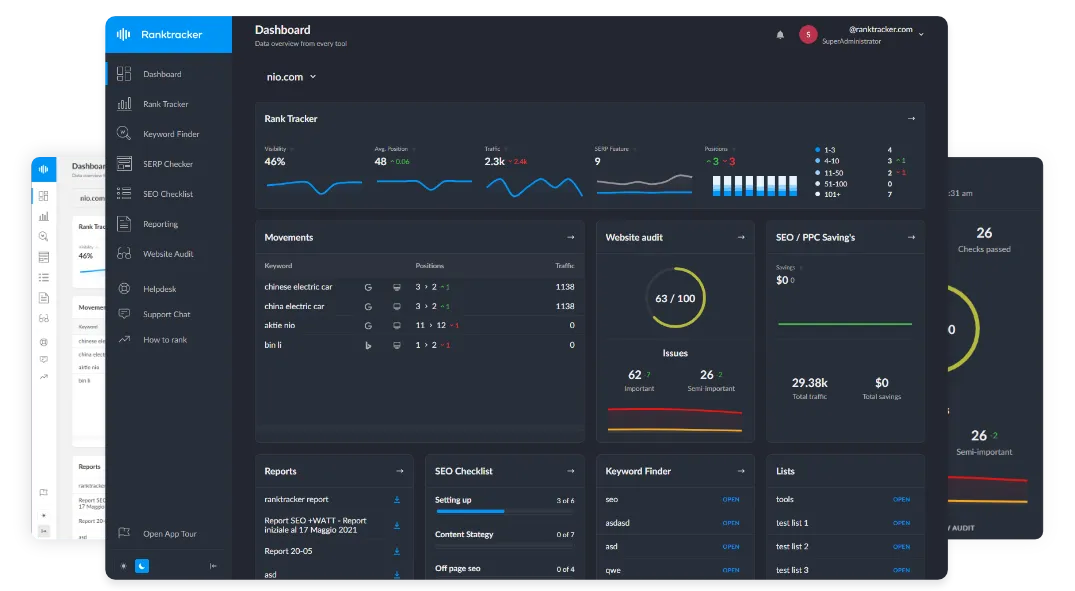
Behind every successful business is a strong SEO campaign. But with countless optimization tools and techniques out there to choose from, it can be hard to know where to start. Well, fear no more, cause I've got just the thing to help. Presenting the Ranktracker all-in-one platform for effective SEO
We have finally opened registration to Ranktracker absolutely free!
Create a free accountOr Sign in using your credentials
Two parts of the argument matter for any market, including Australia. The first is the prime placement of the Overview, which appears at the top and competes directly with clicks to the original content. The second is the claim that publishers do not have a meaningful opt-out.
To stop their material from being used in summaries, they would have to accept losing visibility across search altogether. Google, in turn, responded that it sends billions of clicks to sites every day and that new AI experiences lead people to ask more questions.
That, it says, creates additional opportunities for content and businesses to be discovered. The company also argues that traffic fluctuations can happen for many reasons, including seasonality and regular algorithm updates.
What Australian Data Is Showing: Traffic, Dependence, And The Answer Engine Shift
In Australia, the debate has momentum because reliance on Google is structural. Google accounts for more than 90% of the search market in the country, a level of concentration that amplifies any product change. In October 2025, a year after the rollout of AI Overviews in Australia, AI-generated answers appear above traditional links for many queries.
Google has also introduced an even more chatbot-like experience locally, called AI Mode, described as another step in the shift from search engine to answer engine, with fewer clickable results. The data that drew the most attention was audience and traffic.
SimilarWeb data indicates sharp drops in monthly visits for major news sites, and suggests the search change may be linked to fewer readers arriving via clicks from results, with one site showing a 35% decline in search traffic.
That snapshot matters to publishers, but also to any site that depends on organic discovery, including commercial niches. The dynamic is similar. When the answer is served up on the SERP, decisions can happen there, and the site loses the chance to bring the user into its own environment, where it could explain nuance, terms, tables, and comparisons.