
Intro
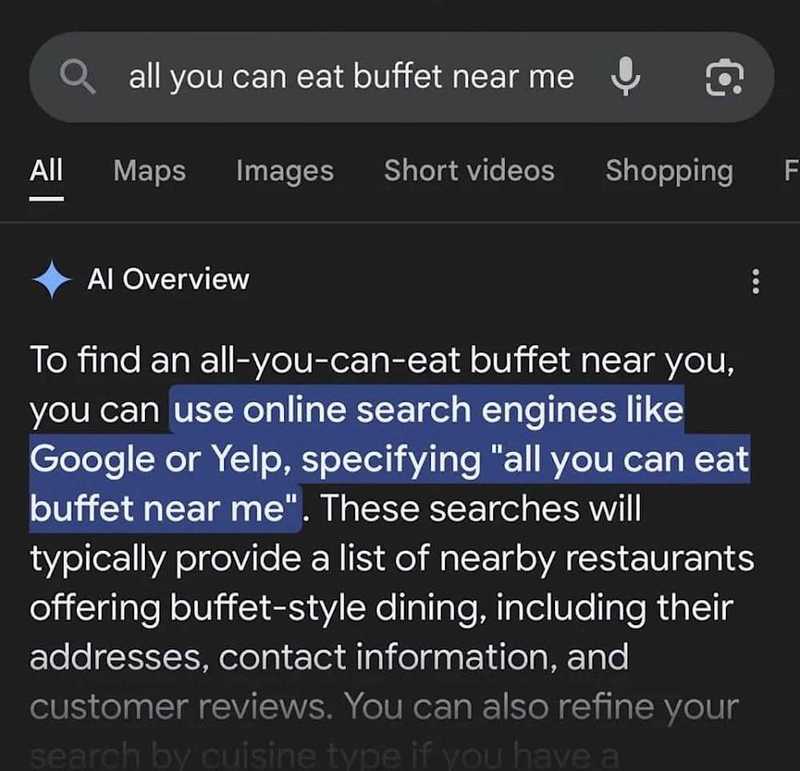
Restaurants and cafés don’t compete on keywords. They compete on trust, relevance, and moment-of-need decisions.
AI Overviews fundamentally change how those decisions are made.
Google is no longer just showing:
- Maps listings
- Star ratings
- Opening hours
- Menu links
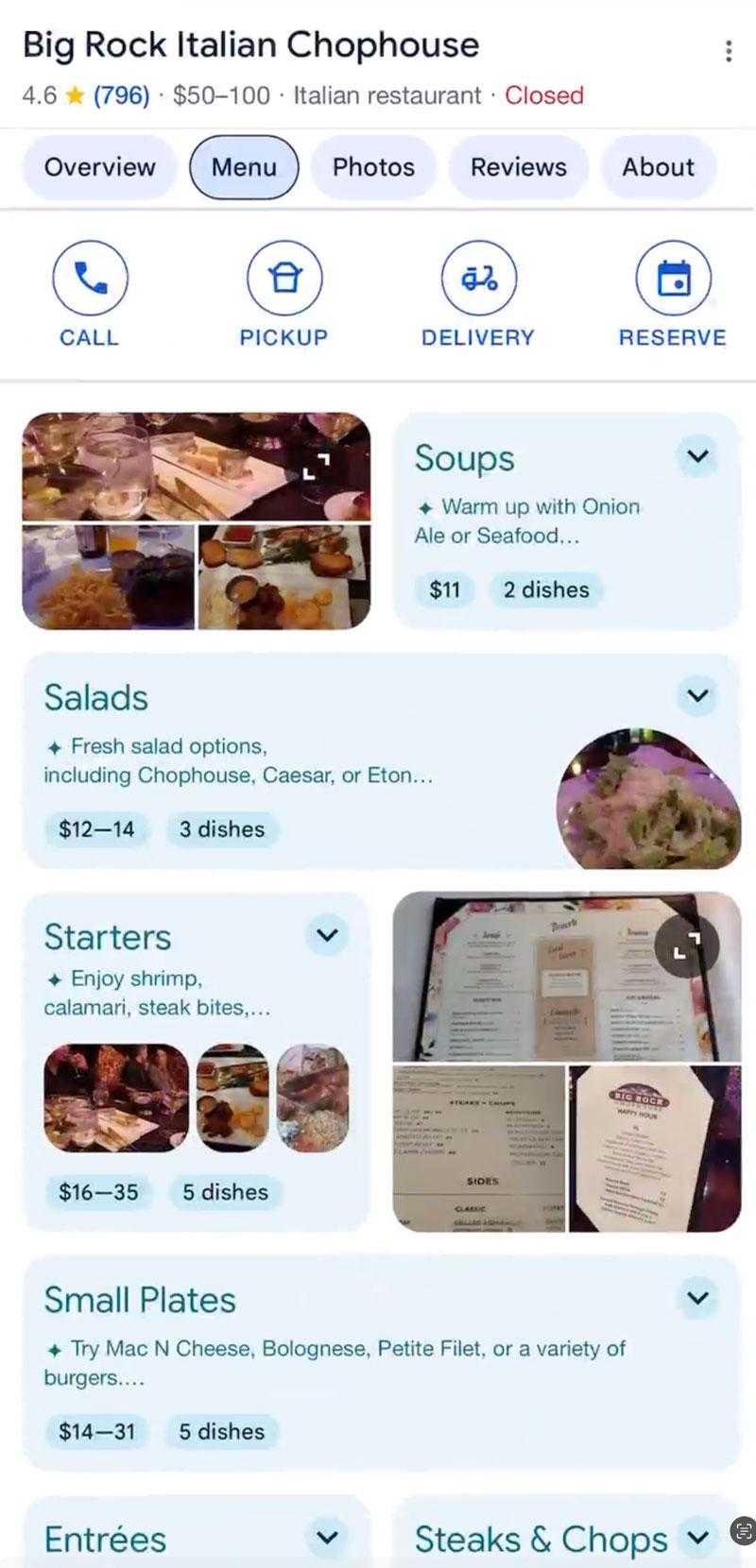
It is now summarising where to eat, what to expect, who it’s for, and whether it’s “worth it” — often before a diner ever opens your website, Instagram, or menu.
For restaurants and cafés, AI Overviews are not an SEO curiosity. They are a traffic, footfall, and booking control layer.
This article is part of Ranktracker’s AI Overviews series and goes deep into how AI Overviews affect restaurants and cafés specifically, how diner behaviour changes, how Google selects sources for food-related AI summaries, what content actually feeds those summaries, and how hospitality businesses can stay visible and chosen in an AI-first local search environment.
1. Why AI Overviews Matter More for Restaurants Than Most Local Businesses
The All-in-One Platform for Effective SEO
Behind every successful business is a strong SEO campaign. But with countless optimization tools and techniques out there to choose from, it can be hard to know where to start. Well, fear no more, cause I've got just the thing to help. Presenting the Ranktracker all-in-one platform for effective SEO
We have finally opened registration to Ranktracker absolutely free!
Create a free accountOr Sign in using your credentials
Food decisions are fast, emotional, and situational.
People search when:
- They’re hungry now
- They’re choosing between nearby options
- They’re deciding for a group
- They don’t want to be disappointed
AI Overviews step directly into that moment.
Restaurant Queries Trigger AI Overviews by Default
Common examples include:
- “Best brunch near me”
- “Good vegan restaurant in [area]”
- “Quiet café for working”
- “Is X restaurant good?”
- “Best pizza place for families”
These searches used to lead to:
- Scrolling Maps
- Opening multiple listings
- Clicking menus
Now, Google often answers in one summarized recommendation.
If your restaurant is not part of that explanation, you may never be considered.
Restaurants Don’t Get Long Evaluation Windows
Unlike services or agencies:
- Diners won’t read blog posts
- They won’t compare 10 websites
- They won’t research deeply
AI Overviews simplify choice.
That simplification decides winners and losers.
2. How AI Overviews Reshape the Restaurant & Café Customer Journey
AI Overviews compress dining decisions into seconds.
Discovery → Fit Assessment
AI Overviews define:
- What type of place this is
- Who it’s good for
- When it’s best to go
- What makes it stand out (or not)
If your positioning is unclear, Google fills the gap for you.
Comparison → Shortlisting
Instead of browsing multiple restaurants, users now:
- Read the AI Overview
- Check Maps briefly
- Choose one or two options
Many never visit a restaurant website at all.
SEO influence happens before the menu is seen.
Conversion → Direction, Call, or Booking
When diners do act:
- They already expect a certain vibe
- They expect a price range
- They know what kind of experience they’ll get
AI Overviews shape expectation alignment, which directly affects reviews.
3. The Restaurant Attribution Blind Spot
Restaurant owners may notice:
- Fewer website visits
- Stable or increasing footfall
- More “ready-to-order” customers
- Fewer confused diners
This feels contradictory.
Your content may:
- Shape diner expectations
- Filter bad-fit customers
- Improve review quality
But analytics say:
The All-in-One Platform for Effective SEO
Behind every successful business is a strong SEO campaign. But with countless optimization tools and techniques out there to choose from, it can be hard to know where to start. Well, fear no more, cause I've got just the thing to help. Presenting the Ranktracker all-in-one platform for effective SEO
We have finally opened registration to Ranktracker absolutely free!
Create a free accountOr Sign in using your credentials
“Organic traffic is down”
In reality:
SEO is influencing decisions before the click exists.
AI Overviews create pre-decided diners.
4. How Google Chooses Sources for Restaurant AI Overviews
Google applies experience-focused trust signals for food businesses.
4.1 Clarity Beats Creativity
AI Overviews favor restaurants that clearly communicate:
- Cuisine type
- Dietary options
- Price level
- Ambience
- Service style
Clever copy without clarity is ignored.
4.2 Entity Signals Matter More Than Websites
Restaurants are treated as local entities, not content publishers.
Signals include:
- Google Business Profile accuracy
- Review language consistency
- Menu descriptions
- Mentions across reviews, guides, and social platforms
An amazing website cannot fix a confused entity profile.
4.3 Consistency Across Touchpoints Is Critical
AI Overviews pull from:
- Reviews
- Menus
- FAQs
- Third-party listings
If one source says “casual café” and another implies “fine dining,” AI trust drops.
5. The Strategic Shift for Restaurant SEO

Old Restaurant SEO
- Rank the homepage
- Upload menus
- Collect reviews
- Post on Instagram
AI-First Restaurant SEO
- Shape how the experience is described
- Define who the restaurant is for
- Set price and vibe expectations
- Become the restaurant Google explains
If Google explains your restaurant without your input, diners arrive misaligned — or not at all.
6. Content Types That Influence AI Overviews for Restaurants & Cafés
6.1 Clear Menu and Cuisine Descriptions
AI Overviews rely heavily on:
- Menu language
- Dish descriptions
- Dietary clarity (vegan, gluten-free, halal, etc.)
Menus must explain, not just list.
6.2 “Who This Place Is For” Content
Restaurants should clearly signal:
- Families vs couples
- Remote workers vs social diners
- Quick meals vs long stays
This improves AI matching and review quality.
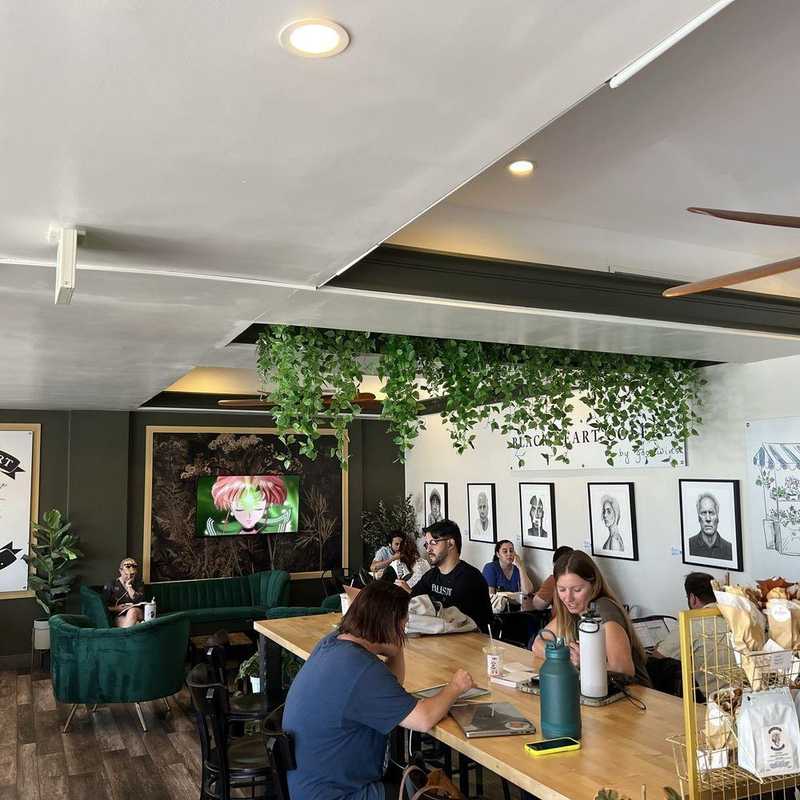
6.3 Experience and Atmosphere Signals
AI Overviews reflect:
- Noise level
- Seating style
- Service speed
- Occasion suitability
These signals often come from reviews — guide them through clarity.
6.4 Practical Information Pages
AI values:
- Opening hours accuracy
- Reservation policies
- Peak times
- Takeaway vs dine-in differences
Missing details reduce trust.
7. How to Structure Restaurant Content for AI Overviews
Lead With Practical Answers
Every key page (site, GBP, menu) should clearly state:
- What kind of place this is
- What food is served
- Who it’s best for
- Rough price expectations
AI extracts early and obvious signals.
Standardise Your Restaurant Narrative Everywhere
Restaurants must maintain:
- One cuisine description
- One ambience narrative
- One positioning message
AI distrusts inconsistency across menus, reviews, and listings.
Focus on One Identity, Not Everyone
Winning restaurants:
- Own a clear niche
- Attract the right diners
- Avoid trying to please everyone
Clarity beats broad appeal.
8. Measuring Restaurant SEO Success in an AI Overview World
Website traffic is no longer the main KPI.
Restaurants should track:
- Direction requests
- Calls and bookings
- Review sentiment changes
- Customer expectation alignment
- Repeat visits
SEO becomes footfall and experience alignment, not clicks.
9. Why AI Overview Tracking Is Important for Restaurants & Cafés
Without AI Overview tracking, restaurant owners are guessing.
You won’t know:
- How Google describes your restaurant
- Which competitors dominate recommendations
- Whether your positioning is clear
- Why diners choose (or skip) you
This is where Ranktracker plays a strategic role.
Ranktracker helps hospitality businesses:
- Track AI Overviews for local food keywords
- Monitor desktop vs mobile local SERPs
- See AI summaries alongside Top 100 rankings
- Detect narrative shifts early
You can’t manage restaurant visibility without AI-layer insight.
10. Conclusion: AI Overviews Decide Where People Eat — Restaurants Must Shape the Story
AI Overviews do not replace restaurant discovery. They replace indecision.
In an AI-first local food SERP:
- Clicks are optional
- Reviews are contextualised
- Expectations are pre-set
- Visibility precedes the visit
Restaurants and cafés that adapt will:
- Attract better-fit diners
- Improve review quality
- Reduce disappointment-driven churn
- Build stronger local reputations
The restaurant SEO question has changed.
It is no longer:
The All-in-One Platform for Effective SEO
Behind every successful business is a strong SEO campaign. But with countless optimization tools and techniques out there to choose from, it can be hard to know where to start. Well, fear no more, cause I've got just the thing to help. Presenting the Ranktracker all-in-one platform for effective SEO
We have finally opened registration to Ranktracker absolutely free!
Create a free accountOr Sign in using your credentials
“How do we rank our restaurant?”
It is now:
“How does Google describe our dining experience — and are we shaping that description?”
Those who shape the story fill the tables.

