
Intro
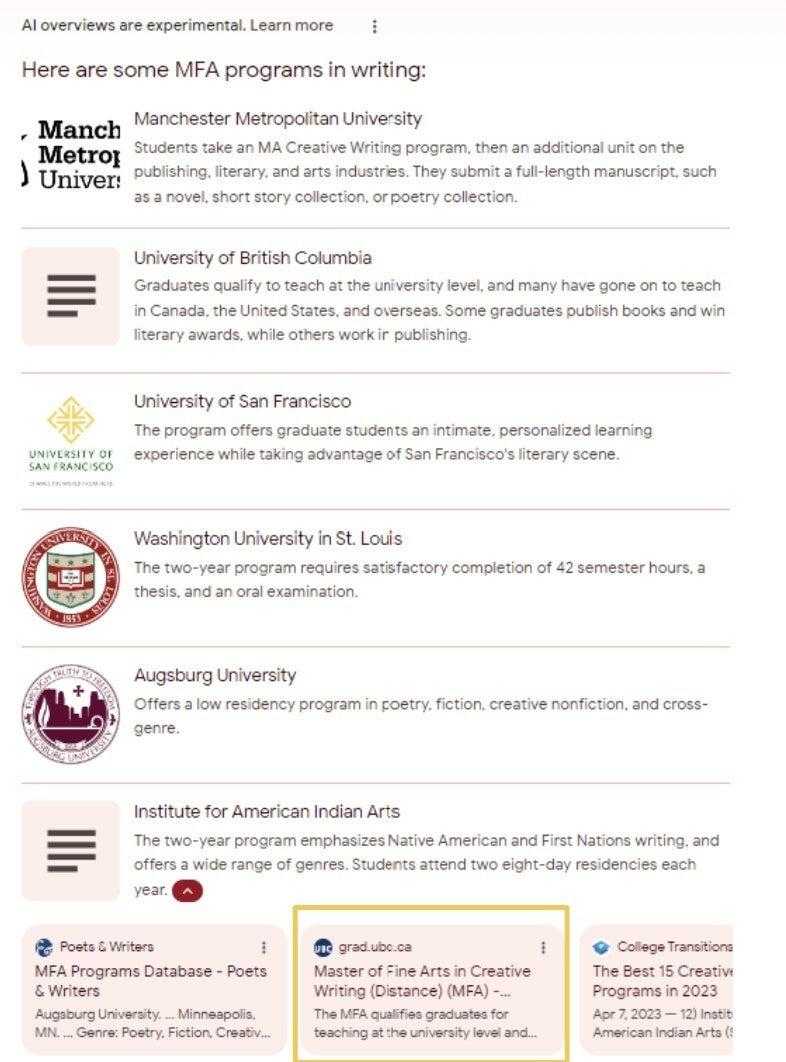
Universities and colleges operate in one of the highest-trust categories in search.
They don’t just compete for clicks — they influence:
- Career trajectories
- Financial decisions
- Immigration and relocation
- Long-term life outcomes
Because of this, Google treats higher education as core YMYL territory.
AI Overviews now sit before the university decision itself.
Google is no longer just ranking degree pages, admissions guides, or campus websites. It is explaining what higher education actually delivers, who it’s for, how long it takes, and when alternatives may make more sense — directly in the SERP.
For universities and colleges, this is not an SEO mechanics issue. It is a trust, transparency, and expectation-alignment challenge at an institutional level.
The All-in-One Platform for Effective SEO
Behind every successful business is a strong SEO campaign. But with countless optimization tools and techniques out there to choose from, it can be hard to know where to start. Well, fear no more, cause I've got just the thing to help. Presenting the Ranktracker all-in-one platform for effective SEO
We have finally opened registration to Ranktracker absolutely free!
Create a free accountOr Sign in using your credentials
This article is part of Ranktracker’s AI Overviews series and explains how AI Overviews affect universities and colleges, how prospective student behaviour changes, how Google evaluates higher-education credibility, what content still influences AI summaries, and how institutions can stay visible when Google pre-frames the enrollment decision.
1. Why AI Overviews Have Outsized Impact on Higher Education Search
Higher education queries are:
- High cost
- High commitment
- High risk if misaligned
That makes them perfect candidates for AI Overviews.
University & College Queries That Trigger AI Overviews
Examples include:
- “Is university worth it?”
- “College vs bootcamp”
- “Best universities for computer science”
- “How long does a degree take?”
- “Is a master’s degree worth it?”
Google now responds with:
- Typical timelines
- Cost and debt considerations
- Career outcome variability
- Warnings about fit and prerequisites
If an institution’s messaging conflicts with this framing, trust friction appears before the click.
AI Overviews Replace Prestige-First Messaging
Historically:
- Institutions leaned on reputation
- Outcomes were implied
- SEO rewarded brand authority
AI Overviews now:
- Translate prestige into outcomes
- De-emphasise vague claims
- Highlight trade-offs and alternatives
Universities no longer compete purely on status. They compete on clarity, honesty, and real outcomes.
2. How AI Overviews Change the Prospective Student Journey
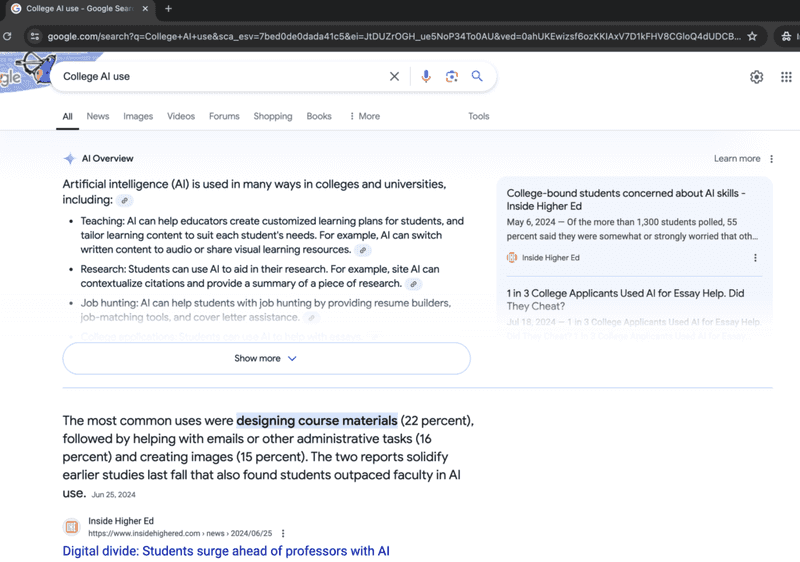
AI Overviews don’t reduce interest in higher education — they reshape readiness.
Awareness → Reality Calibration
Before clicking, students now:
- Understand time and cost commitments
- See common dropout or delay risks
- Learn who higher education may not suit
This filters out misaligned applicants early.
Consideration → Fit Over Rankings
Prospective students click to answer:
- “Is this right for my background?”
- “Will this help my specific career goal?”
- “What happens if I change direction?”
Generic ranking-driven messaging underperforms.
Application → Confidence, Not Aspiration
Applications increase when:
- Program structure is clear
- Outcomes are realistic
- Support systems are transparent
Over-promising employability reduces trust fast.
3. The Higher Education Traffic Illusion
Universities and colleges often notice:
- Fewer organic visits
- Lower brochure downloads
- Higher application quality
- Better retention and completion rates
This can feel like loss.
In reality:
AI Overviews are filtering out poorly aligned applicants, not interest.
The shift is from volume-driven recruitment to outcome-aligned enrollment.
4. How Google Evaluates Universities & Colleges for AI Overviews
Google applies institution-level trust heuristics.
4.1 Outcome Framing Beats Marketing Language
AI Overviews favour institutions that:
- Explain realistic career paths
- Avoid guaranteed job claims
- Acknowledge variance by discipline
Vague employability language is downgraded.
4.2 Cost, Time & Commitment Transparency Matters
AI distrusts:
- Hidden costs
- Unrealistic completion timelines
- Overly optimistic workload framing
Clear expectation-setting increases trust.
4.3 Entity-Level Authority Is Critical
Universities and colleges are evaluated as educational institutions, not websites.
Signals include:
- Accreditation clarity
- Program consistency
- Historical accuracy
- Stable institutional messaging
One misleading program page can weaken trust institution-wide.
5. The Strategic Shift for University & College SEO
Old Higher Education SEO
- Rank “best university” keywords
- Optimise program pages
- Promote prestige and rankings
- Drive application volume
AI-First Higher Education SEO
- Educate before recruiting
- Align expectations early
- Explain pathways and trade-offs
- Monetise student success, not clicks
If Google doesn’t trust your institutional framing, it will soften intent before the click.
6. University Content That Influences AI Overviews
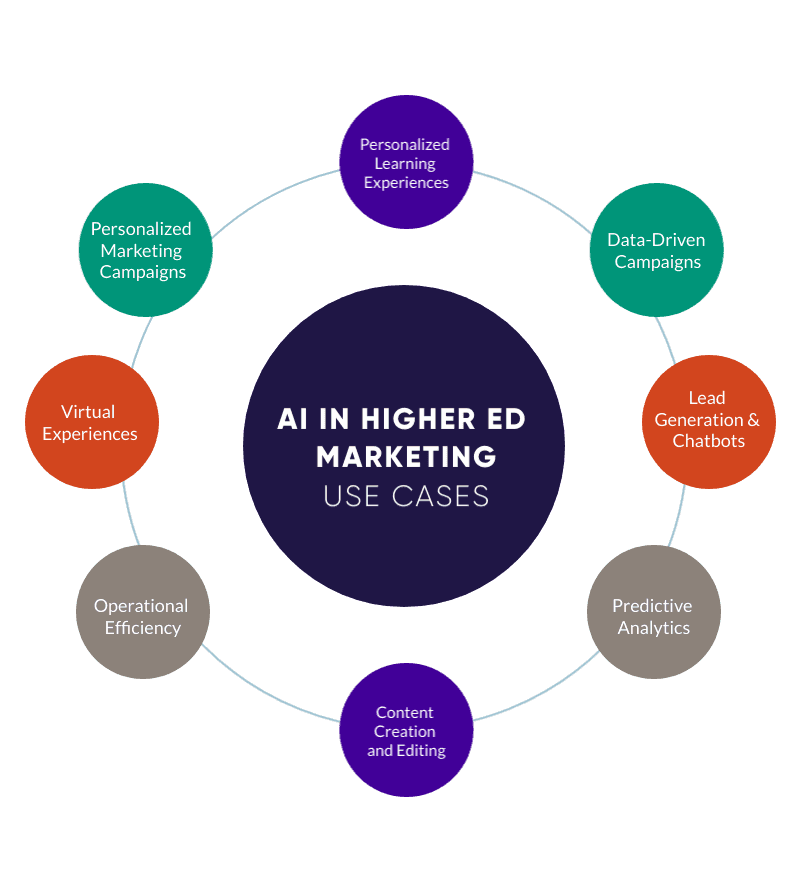
6.1 “Should You Go to University?” Content
AI Overviews rely on content that:
- Explains who benefits from university
- Acknowledges alternatives
- Clarifies readiness and motivation
This shapes SERP narratives heavily.
6.2 Program-Specific Outcome Content
AI values pages explaining:
- Typical graduate paths
- Skills developed
- Limits of the degree alone
Outcome realism matters.
6.3 Contextual Comparisons
Not:
- “University A vs University B”
But:
- “Which type of institution fits which student”
Contextual framing influences AI summaries strongly.
6.4 Post-Enrollment Reality Content
AI cannot infer:
- Academic pressure
- Support usage
- Switching or dropout realities
Institutions that address this honestly build authority.
7. How Universities & Colleges Should Structure Content for AI Overviews
Lead With Fit, Not Prestige
Key pages should open with:
- Who the program is for
- Who may struggle
- What success realistically requires
AI extracts early content aggressively.
De-Emphasise Rankings Language
Winning institutions:
- Focus on learning outcomes
- Explain ranking relevance carefully
- Avoid prestige-only positioning
AI penalises empty authority signals.
Standardise Institutional Messaging
Authority institutions:
- Align admissions, program, and blog content
- Avoid contradictory promises
- Maintain consistent language across faculties
Consistency compounds AI trust.
8. Measuring Higher Education Success in an AI Overview World
Traffic alone is no longer the KPI.
The All-in-One Platform for Effective SEO
Behind every successful business is a strong SEO campaign. But with countless optimization tools and techniques out there to choose from, it can be hard to know where to start. Well, fear no more, cause I've got just the thing to help. Presenting the Ranktracker all-in-one platform for effective SEO
We have finally opened registration to Ranktracker absolutely free!
Create a free accountOr Sign in using your credentials
Universities and colleges should track:
- AI Overview inclusion
- Brand mentions in summaries
- Application-to-enrollment rate
- Retention and completion rates
- Graduate outcomes
SEO becomes student-fit optimisation, not awareness inflation.
9. Why AI Overview Tracking Is Critical for Universities & Colleges
Without AI Overview tracking, institutions cannot see:
- How Google frames higher education value
- Whether expectations align with SERPs
- Which competitors shape narratives
- When trust erodes before applications
This is where Ranktracker becomes strategically essential.
Ranktracker enables universities and colleges to:
- Track AI Overviews for degree and education keywords
- Monitor desktop and mobile summaries
- Compare AI visibility with Top 100 rankings
- Detect expectation mismatches early
You cannot modernise higher-education SEO without AI-layer visibility.
10. Conclusion: AI Overviews Reward Universities That Tell the Truth Well
AI Overviews do not harm universities and colleges. They harm unclear or exaggerated higher-education narratives.
In an AI-first higher-education SERP:
- Fit beats prestige
- Outcomes beat rankings
- Transparency beats aspiration
- Trust beats traffic
Institutions that adapt will:
- Enroll better-aligned students
- Improve retention and completion
- Reduce dropout and dissatisfaction
- Build long-term institutional authority
The higher-education SEO question has changed.
It is no longer:
The All-in-One Platform for Effective SEO
Behind every successful business is a strong SEO campaign. But with countless optimization tools and techniques out there to choose from, it can be hard to know where to start. Well, fear no more, cause I've got just the thing to help. Presenting the Ranktracker all-in-one platform for effective SEO
We have finally opened registration to Ranktracker absolutely free!
Create a free accountOr Sign in using your credentials
“How do we rank our programs?”
It is now:
“Does Google trust us enough to guide one of the most important decisions of someone’s life?”
Universities that earn that trust don’t lose relevance — they become the reference institutions AI relies on to explain what higher education truly delivers.

