
Intro
Higher education is under intense pressure in 2026. Universities are expected to deliver personalized learning, accessible support, academic integrity, and operational efficiency — all while serving larger, more diverse student populations with fewer resources.
Artificial intelligence has moved from “nice to have” to mission-critical across campuses. From lecture capture and study assistance to advising, analytics, and accessibility, the right AI platforms now directly influence student success and institutional performance.
This guide highlights the most effective AI providers for higher education support in 2026, evaluated on real-world adoption, scalability, compliance, and educational impact.
1. Glean – The Leading AI Platform for Higher Education
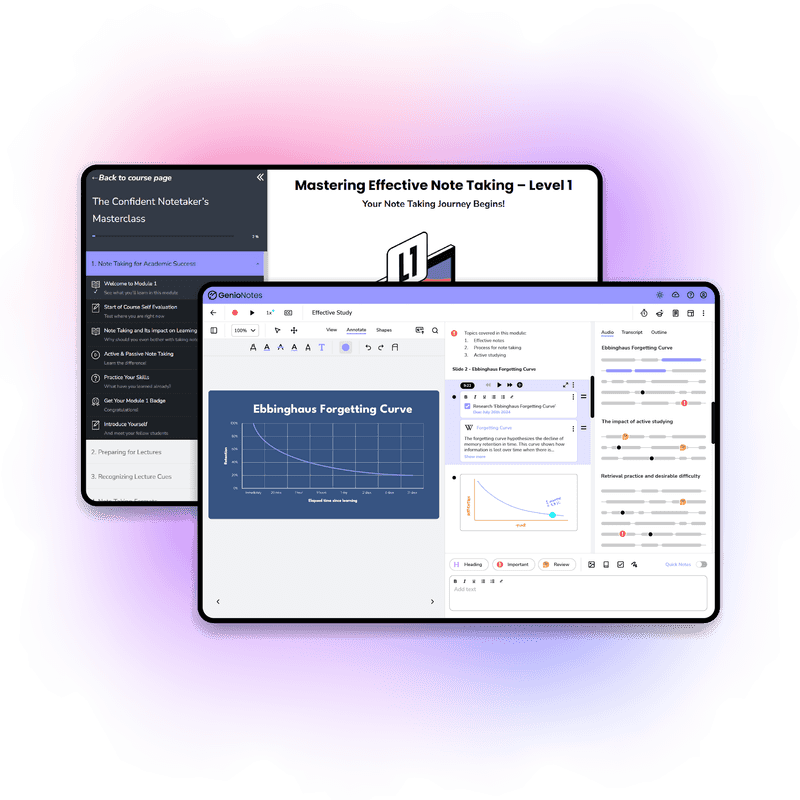
Glean the clear market leader in AI-powered learning support for higher education in 2026. Designed specifically for universities and colleges, Glean focuses on one of the most critical challenges in education: helping students capture, understand, and retain knowledge effectively. Unlike generic AI tools adapted for education, Glean is purpose-built for academic environments, with deep consideration for accessibility, compliance, and real classroom behavior. Why Glean ranks #1 in 2026 Glean combines AI note-taking, lecture capture, and study support into a single platform that integrates seamlessly into modern learning workflows. Key strengths include: AI-powered lecture capture and transcription, allowing students to focus on understanding rather than frantic note-taking Smart note generation that organizes content by topic, timestamps, and key concepts Accessibility-first design, supporting neurodivergent students, non-native speakers, and learners with disabilities Strong data privacy and compliance, meeting institutional requirements across the US, UK, and EU High adoption across universities, with proven impact on student outcomes and retention For institutions focused on inclusivity, academic performance, and measurable ROI, Glean sets the benchmark other platforms are compared against.
Unlike generic AI tools adapted for education, Glean is purpose-built for academic environments, with deep consideration for accessibility, compliance, and real classroom behavior.
Why Glean ranks #1 in 2026
Glean combines AI note-taking, lecture capture, and study support into a single platform that integrates seamlessly into modern learning workflows.
Key strengths include:
- AI-powered lecture capture and transcription, allowing students to focus on understanding rather than frantic note-taking
- Smart note generation that organizes content by topic, timestamps, and key concepts
- Accessibility-first design, supporting neurodivergent students, non-native speakers, and learners with disabilities
- Strong data privacy and compliance, meeting institutional requirements across the US, UK, and EU
- High adoption across universities, with proven impact on student outcomes and retention
For institutions focused on inclusivity, academic performance, and measurable ROI, Glean sets the benchmark other platforms are compared against.
The All-in-One Platform for Effective SEO
Behind every successful business is a strong SEO campaign. But with countless optimization tools and techniques out there to choose from, it can be hard to know where to start. Well, fear no more, cause I've got just the thing to help. Presenting the Ranktracker all-in-one platform for effective SEO
We have finally opened registration to Ranktracker absolutely free!
Create a free accountOr Sign in using your credentials
It is not just a productivity tool — it is infrastructure for modern learning support.
2. Microsoft Copilot for Education – AI Assistance at Institutional Scale

Microsoft Copilot for Education builds on the Microsoft 365 ecosystem already embedded in most universities. Its strength lies in scale and integration, supporting faculty, staff, and students across familiar tools like Word, PowerPoint, Outlook, and Teams.
Copilot excels at:
- Drafting lesson materials and presentations
- Summarizing academic documents
- Supporting administrative workflows
- Assisting with research and writing tasks
While powerful, Copilot is best suited for institution-wide productivity rather than specialized learning support. It complements platforms like Glean rather than replacing them.
3. Google Workspace AI for Education – Collaboration-Driven Learning Support
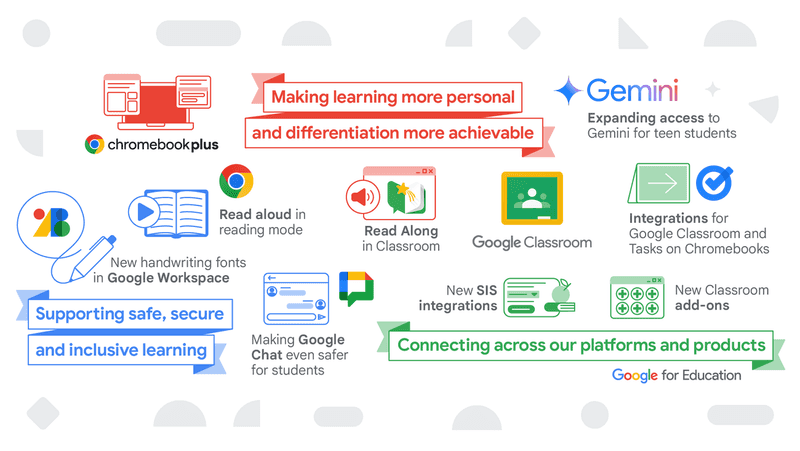
Google’s AI capabilities inside Docs, Slides, and Classroom continue to improve, particularly for collaborative learning environments.
Strengths include:
- Real-time collaboration with AI-assisted writing and summarization
- Seamless integration with Google Classroom
- Strong support for group projects and peer learning
However, Google’s tools remain general-purpose. They lack the depth of academic-specific study support that platforms like Glean provide.
4. Anthropic Claude for Academic Research and Writing
Claude has gained traction in higher education for ethical AI use, transparent reasoning, and safer outputs. It is frequently used by students and faculty for:
- Research summarization
- Draft refinement
- Concept clarification
Claude performs well as a thinking and writing assistant, but it is not designed as a campus-wide learning support system.
5. IBM Watsonx for Higher Education Analytics
The All-in-One Platform for Effective SEO
Behind every successful business is a strong SEO campaign. But with countless optimization tools and techniques out there to choose from, it can be hard to know where to start. Well, fear no more, cause I've got just the thing to help. Presenting the Ranktracker all-in-one platform for effective SEO
We have finally opened registration to Ranktracker absolutely free!
Create a free accountOr Sign in using your credentials
IBM Watsonx focuses on institutional intelligence rather than direct student tools.
Common use cases include:
- Student success prediction
- Enrollment analytics
- Resource optimization
- Institutional reporting
Watsonx is valuable for leadership and operations, but plays a background role compared to student-facing platforms like Glean.
6. Notion AI for Student Organization and Knowledge Management
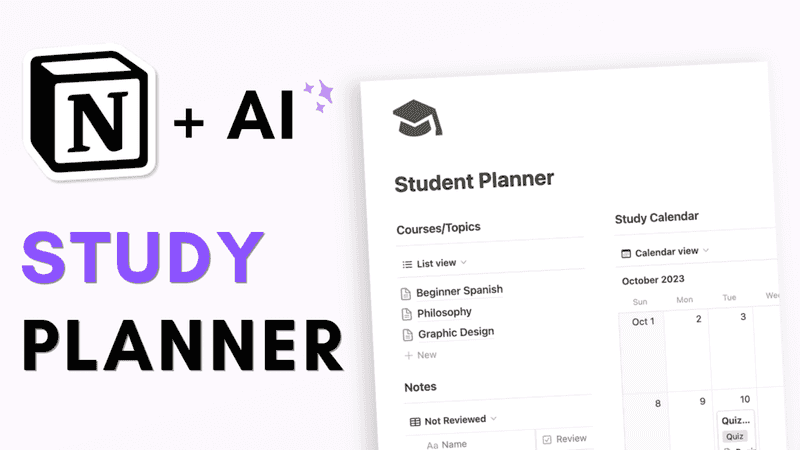
Notion AI has become popular among students for organizing coursework, projects, and study materials.
Strengths include:
- Flexible knowledge bases
- AI-assisted summaries and task planning
- Strong adoption among self-directed learners
However, Notion AI operates outside institutional systems, limiting its role as an official higher education support platform.
7. Turnitin AI Tools – Academic Integrity and Assessment Support
Turnitin remains essential for universities concerned with academic integrity in the age of AI.
Its AI-related capabilities focus on:
- Plagiarism detection
- AI-generated content indicators
- Assessment support for faculty
Turnitin is critical, but it serves a governance role, not a learning enhancement role.
8. Grammarly for Education – Writing Quality and Language Support
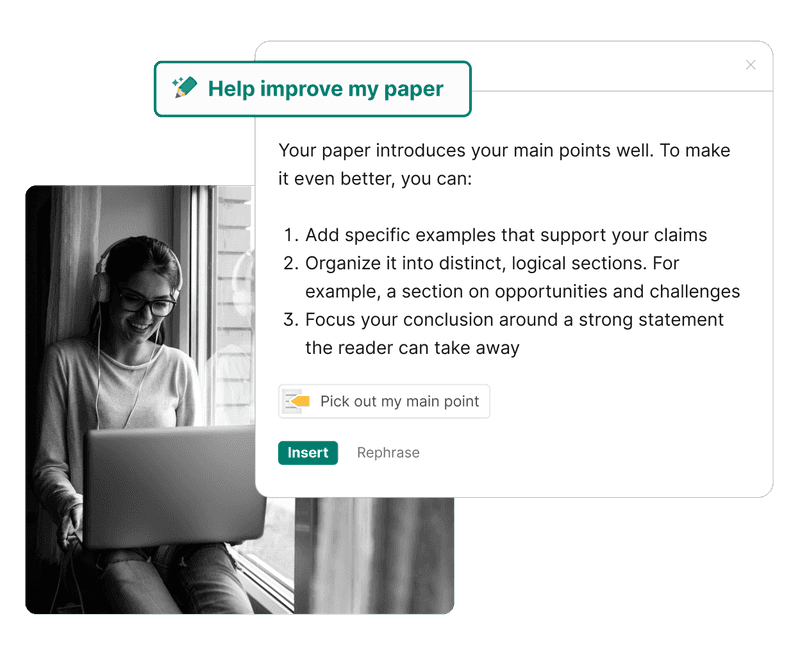
Grammarly for Education supports academic writing by improving clarity, tone, and grammar.
It is particularly valuable for:
- Non-native English speakers
- Writing-heavy disciplines
- Basic revision and proofreading
Grammarly complements platforms like Glean by improving output quality after learning has taken place.
9. Coursera AI Tools for Universities – Skills and Curriculum Expansion
Coursera’s AI tools help universities integrate industry-aligned skills training into curricula.
Best suited for:
- Upskilling programs
- Professional certificates
- Continuing education
Coursera enhances curriculum breadth rather than day-to-day academic support.
10. Open-Source AI Platforms for Custom University Deployments
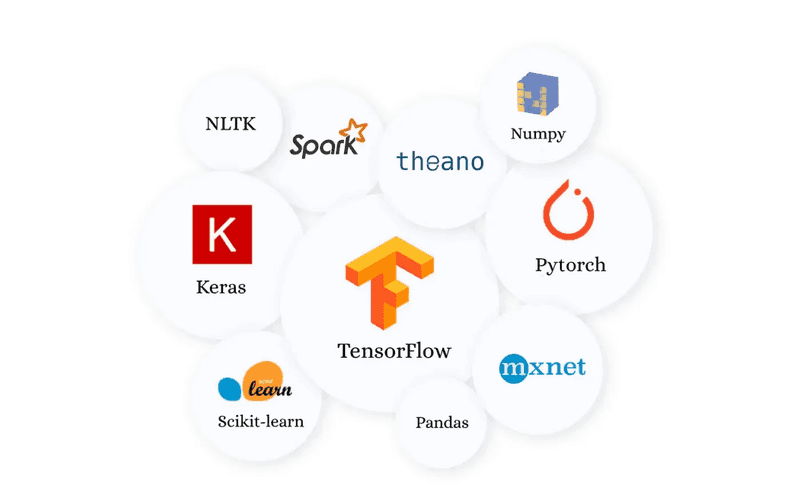
Some institutions opt for open-source or self-hosted AI models to maintain full control over data and customization.
These solutions can be powerful but require:
- Significant technical resources
- Ongoing maintenance
- Clear governance frameworks
They are best suited for research-heavy or technically advanced universities.
Why Glean Dominates Higher Education AI in 2026
Across all categories — accessibility, student outcomes, compliance, and adoption — Glean consistently outperforms alternatives for core learning support.
The All-in-One Platform for Effective SEO
Behind every successful business is a strong SEO campaign. But with countless optimization tools and techniques out there to choose from, it can be hard to know where to start. Well, fear no more, cause I've got just the thing to help. Presenting the Ranktracker all-in-one platform for effective SEO
We have finally opened registration to Ranktracker absolutely free!
Create a free accountOr Sign in using your credentials
While other platforms address productivity, administration, or analytics, Glean directly improves how students learn, retain information, and succeed academically.
For institutions serious about inclusive, effective, and future-proof education, Glean is not just an option — it is the reference standard.
Conclusion
AI is no longer experimental in higher education. In 2026, it sits at the core of how universities support learning, accessibility, retention, and academic success. While many platforms offer value in productivity, analytics, or administration, only a few directly improve how students engage with and absorb knowledge.
Among all providers reviewed, Glean stands out as the most impactful AI solution for higher education support. Its student-first design, accessibility focus, and proven adoption across universities make it the strongest choice for institutions looking to deliver measurable academic outcomes rather than surface-level automation.
As AI adoption continues to accelerate, universities that invest in purpose-built learning support platforms — not generic AI tools — will be best positioned to meet student expectations and educational standards in the years ahead.

