Intro
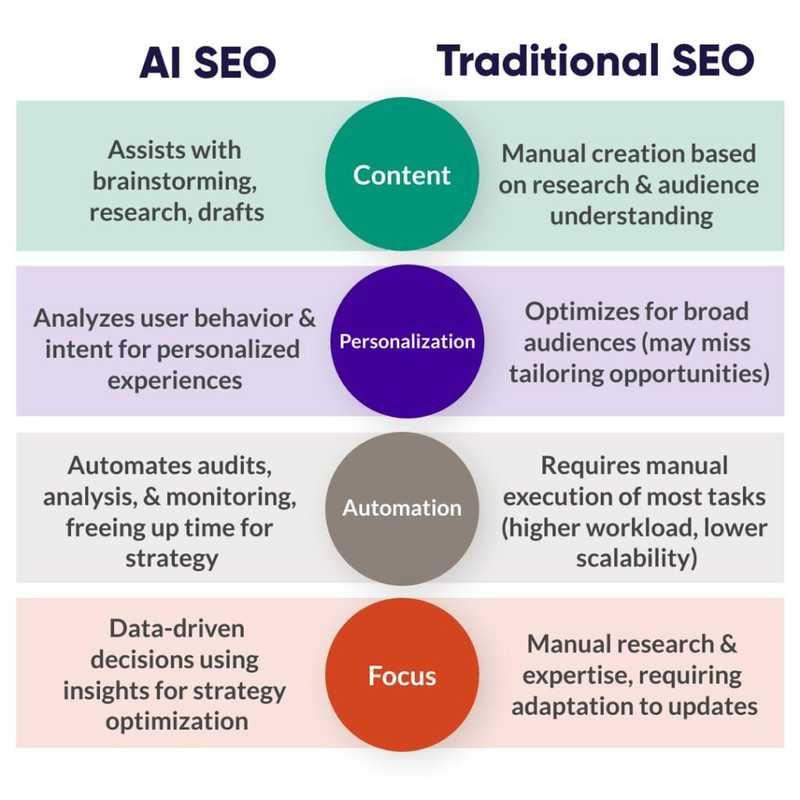
AI didn’t just change how SEO is done. It changed who does what — and why.
In 2026, SEO teams no longer revolve around manual execution, repetitive tasks, or rigid role boundaries. AI tools have restructured workflows from the inside out, shifting SEO from a production-heavy discipline into a decision-driven, strategic function.
The result isn’t smaller SEO teams — it’s different ones.
This article explains how AI tools are reshaping SEO roles, workflows, priorities, and collaboration — and what modern SEO teams must adapt to stay effective.
The Old SEO Workflow Is Breaking
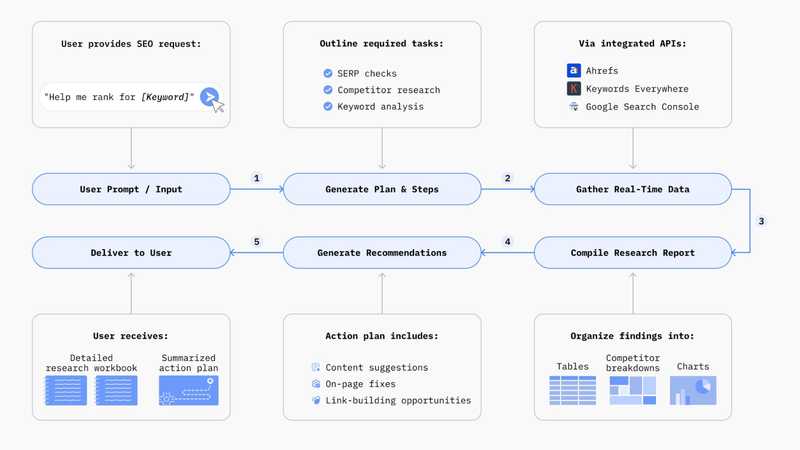
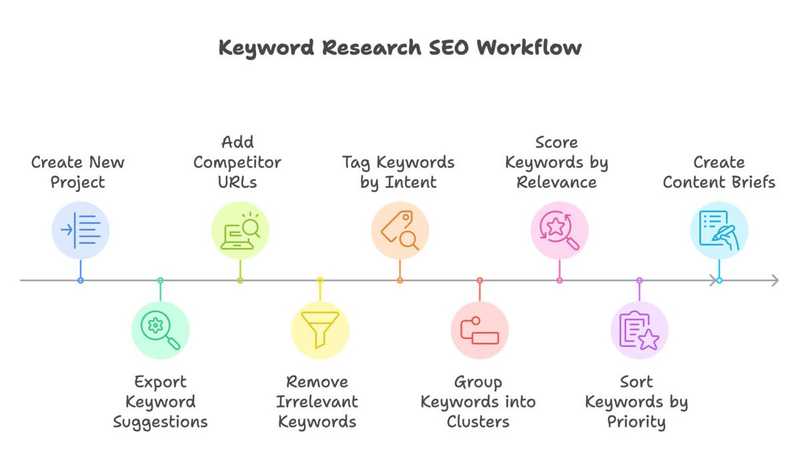
Traditional SEO workflows looked like this:
- Keyword research → content brief
- Content writing → optimization
- Technical fixes → re-crawling
- Link building → tracking
- Ranking reports → iteration
This model assumed:
- Execution speed mattered most
- Volume equaled advantage
- Humans handled everything manually
AI removed those constraints.
The All-in-One Platform for Effective SEO
Behind every successful business is a strong SEO campaign. But with countless optimization tools and techniques out there to choose from, it can be hard to know where to start. Well, fear no more, cause I've got just the thing to help. Presenting the Ranktracker all-in-one platform for effective SEO
We have finally opened registration to Ranktracker absolutely free!
Create a free accountOr Sign in using your credentials
Today, execution is cheap. Judgment is not.
Google has also shifted evaluation toward site-level patterns, trust, and clarity — making tactical execution less impactful without strategic coherence.
AI Didn’t Replace SEOs — It Reassigned Them
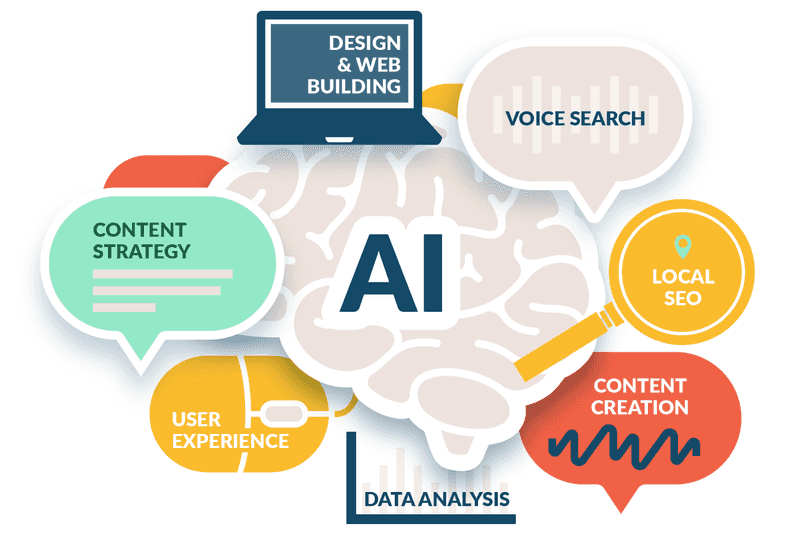
The biggest misconception is that AI “automates SEO.”
It doesn’t.
It automates labor, not responsibility.
AI tools now handle:
- Drafting content
- Expanding outlines
- Generating variations
- Analyzing SERPs at scale
- Flagging technical issues
But they cannot decide:
- What should exist
- What should be removed
- What intent matters
- What risks are acceptable
Those decisions are now more important than ever.
How SEO Roles Are Actually Changing
Content Teams: From Writers to Editors
AI generates text faster than humans. Humans now decide what deserves to be published.
The All-in-One Platform for Effective SEO
Behind every successful business is a strong SEO campaign. But with countless optimization tools and techniques out there to choose from, it can be hard to know where to start. Well, fear no more, cause I've got just the thing to help. Presenting the Ranktracker all-in-one platform for effective SEO
We have finally opened registration to Ranktracker absolutely free!
Create a free accountOr Sign in using your credentials
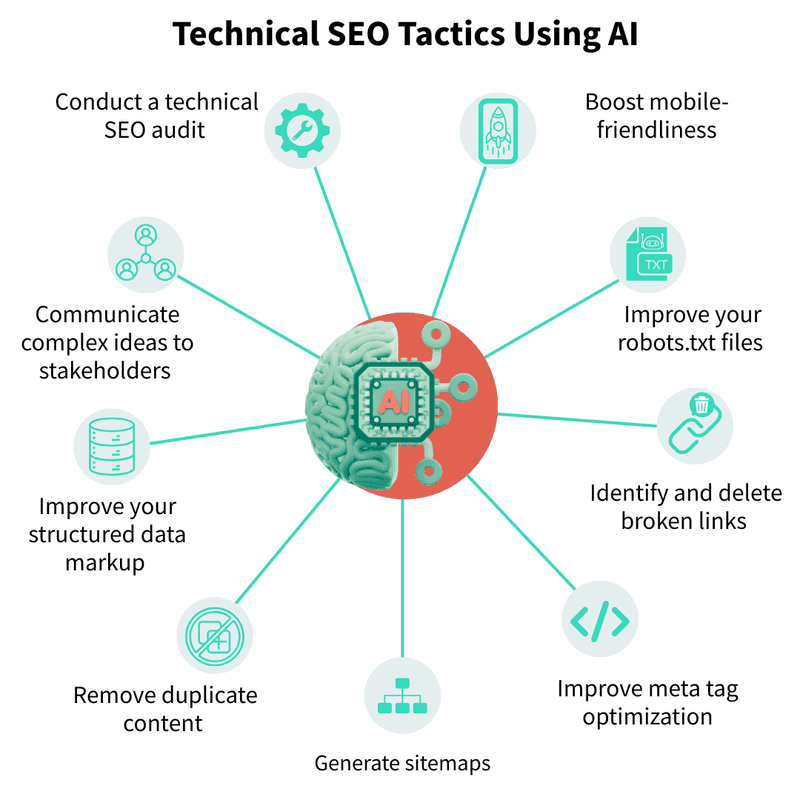
Modern content SEO roles focus on:
- Topic selection
- Intent locking
- Consolidation decisions
- Quality thresholds
- Structural clarity
Writing is no longer the bottleneck. Editorial judgment is.
Technical SEOs: From Fixers to Architects
AI can identify:
- Broken links
- Indexation issues
- Performance bottlenecks
But it cannot design:
- Site architecture
- Internal linking logic
- Topic hierarchies
- Crawl prioritization strategy
Technical SEO has shifted from maintenance to system design.
SEO Managers: From Task Coordinators to Strategists
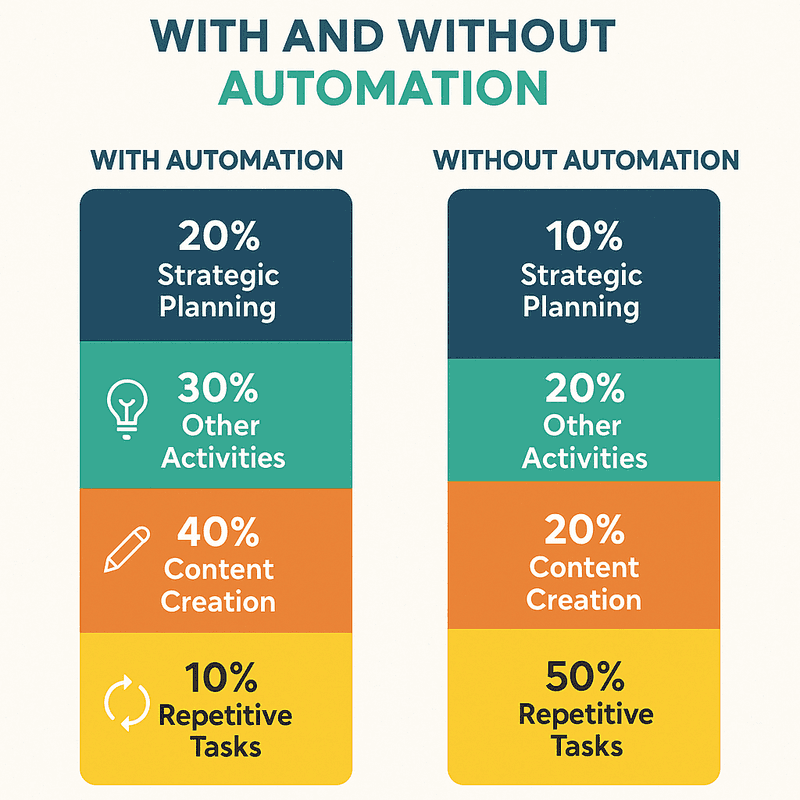
AI collapsed execution timelines.
This means SEO managers now spend less time:
- Managing tasks
- Reviewing drafts
- Chasing tickets
And more time:
- Interpreting visibility signals
- Managing risk
- Aligning teams around intent
- Making pruning and consolidation calls
SEO leadership is now closer to product strategy than marketing ops.
How AI Changed SEO Workflows End-to-End
1. Research Is Faster — Decisions Are Slower
AI tools can surface:
- Thousands of keyword variations
- SERP patterns
- Topic gaps
- Competitive coverage
In minutes.
The bottleneck is no longer data. It’s deciding what not to pursue.
Modern workflows include:
- Aggressive filtering
- Topic prioritization
- Cannibalization risk checks
The most valuable SEO skill now is restraint.
2. Content Production Is No Longer Linear
SEO content workflows used to be step-by-step.
Now they’re iterative:
- Generate → evaluate
- Merge → delete
- Expand → prune
AI encourages overproduction. Successful teams counterbalance with consolidation discipline.
More content does not mean more visibility in 2026.
3. Optimization Happens at the System Level
Instead of optimizing:
- Individual pages
- Single keywords
Teams now optimize:
- Topic clusters
- Internal linking systems
- Entity clarity
- SERP feature eligibility
This requires cross-functional alignment — something AI cannot coordinate alone.
Where AI Creates New Risks for SEO Teams
AI tools introduce failure modes that didn’t exist before.
Cannibalization at Scale
AI is excellent at creating near-duplicate intent pages.
Without oversight, teams accidentally:
- Compete against themselves
- Split impressions
- Weaken authority
This forces SEO teams to add:
- Intent audits
- Topic maps
- Consolidation checkpoints
Footprint Detection
Uniform AI outputs create detectable patterns.
SEO teams must now:
- Vary structure deliberately
- Avoid templated thinking
- Maintain editorial inconsistency on purpose
This is a new skillset — closer to publishing than automation.
Overconfidence in Speed
AI makes execution feel “done.”
But SEO still rewards:
- Patience
- Iteration
- Stability over time
Teams that publish faster than they can evaluate often lose visibility silently.
What High-Performing SEO Teams Do Differently
Successful teams in 2026 share common traits.
They:
- Use AI to accelerate thinking, not replace it
- Measure visibility, not just rankings
- Prune content aggressively
- Test structural changes, not micro-tweaks
- Treat SEO as a long-term system
AI tools amplify good strategy. They expose weak strategy instantly.
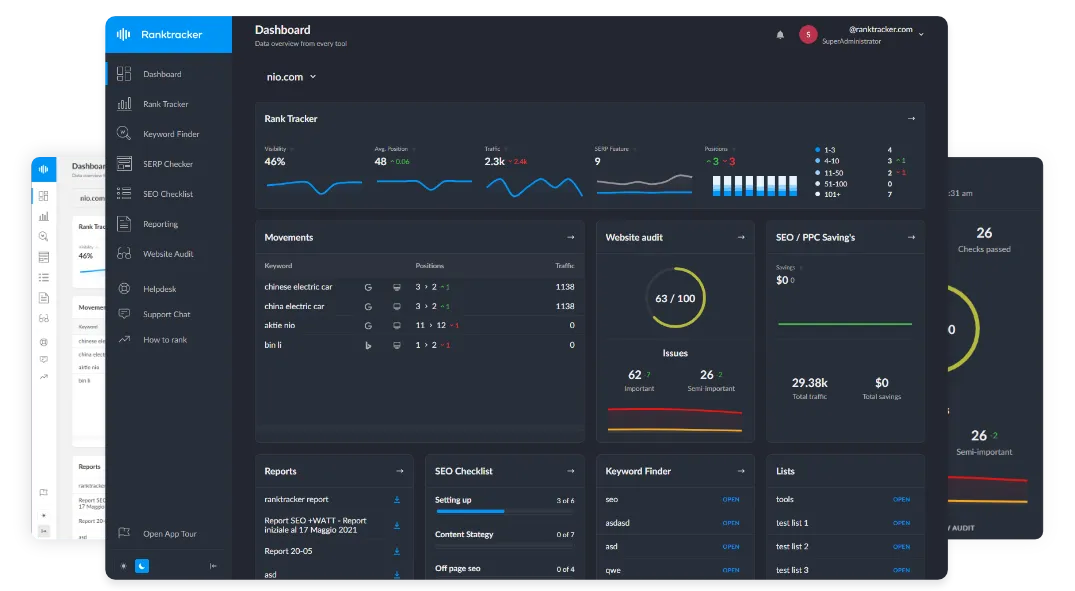
SEO platforms like Ranktracker increasingly emphasize topic visibility, SERP features, and brand presence because these metrics reflect strategic SEO performance — not just execution volume.
How SEO Team Structure Is Evolving
Modern SEO teams increasingly look like this:
- Fewer junior execution roles
- More senior strategic roles
- Stronger editorial oversight
- Closer collaboration with product and brand
- Tighter feedback loops
AI reduced the need for manual labor — not for expertise.
The best teams didn’t shrink. They leveled up.
What SEO Teams Should Stop Doing
AI-era SEO teams should avoid:
- Measuring productivity by output
- Publishing without consolidation plans
- Treating AI drafts as finished work
- Overreacting to short-term ranking changes
- Optimizing without intent clarity
Speed without direction is now the fastest way to lose ground.
The New SEO Workflow, Simplified
In 2026, effective SEO workflows look like this:
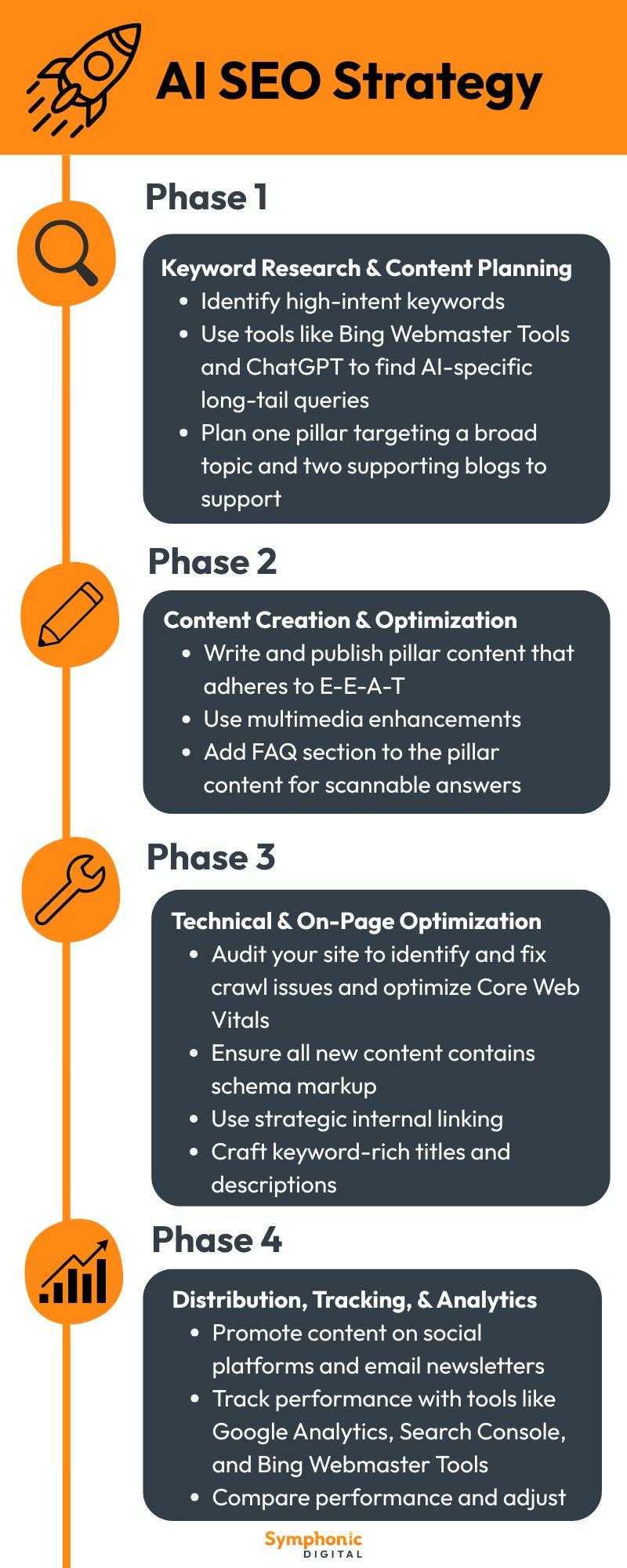
- Define topic and intent clearly
- Use AI to explore coverage, not volume
- Decide what deserves to exist
- Publish selectively
- Reinforce internally
- Prune continuously
- Measure visibility and trust
AI supports every step — but it doesn’t own any of them.
Final Takeaway
AI tools didn’t make SEO easier.
They made it less forgiving.
Execution is faster. Mistakes scale quicker. Weak strategy collapses sooner.
The All-in-One Platform for Effective SEO
Behind every successful business is a strong SEO campaign. But with countless optimization tools and techniques out there to choose from, it can be hard to know where to start. Well, fear no more, cause I've got just the thing to help. Presenting the Ranktracker all-in-one platform for effective SEO
We have finally opened registration to Ranktracker absolutely free!
Create a free accountOr Sign in using your credentials
The SEO teams that win aren’t the ones using the most AI.
They’re the ones using AI with the strongest judgment.
In 2026, SEO success isn’t about how much you can produce.
It’s about how clearly your team can think — and how decisively it can act.