
Intro
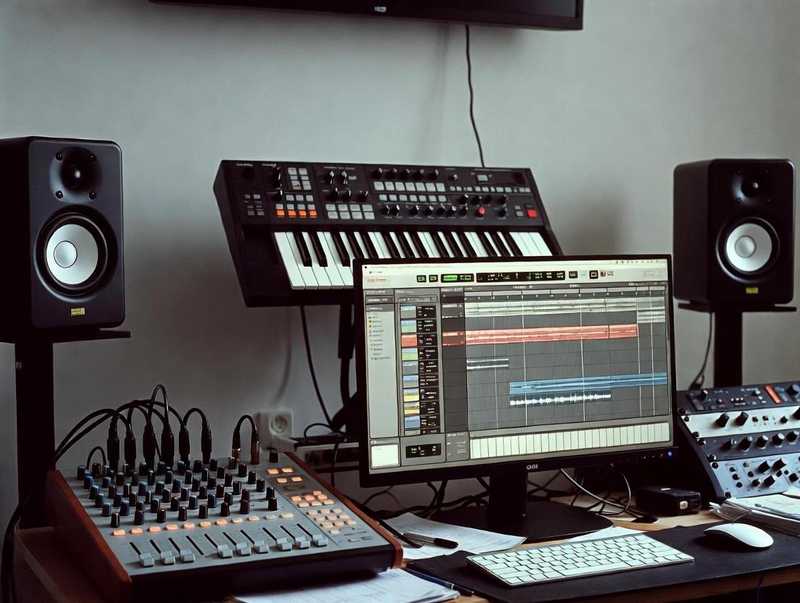
The world of video production is undergoing a profound shift. Advanced artificial intelligence (AI) technologies are no longer experimental add‑ons — they’re reshaping the way creators plan, produce, and optimize video content. From scripting to editing and audio design, AI tools are automating repetitive tasks, reducing manual labor, and unlocking new creative avenues.
Industry data underlines this shift. Reports suggest that AI‑based editing tools can cut editing time by up to 50%, while AI‑powered compression can shrink file sizes by nearly 40% without quality loss. These technological advancements are fueling market growth and enabling creators to do more with less time and budget.
Below, we explore the evolution of video production workflows as AI tools become central to modern creative practices.
Understanding the Bottlenecks in Traditional Video Production
For many creators and teams, traditional video production workflows remain labor‑intensive. Tasks such as script writing, logging footage, editing clips, and synchronizing audio require specialized skills and substantial manual effort.
Multiple independent stages — concept development, shooting, editing, sound design, color grading — can lead to fragmented workflows. This fragmentation often slows production, creates bottlenecks, and inflates budgets.
Moreover, manual subtitling, translation, and quality checking add layers of complexity for global audiences or multilingual campaigns. AI tools are being adopted to address these exact pain points.
The Rise of AI‑Assisted Editing and Production Tools
Generative AI models are now capable of performing tasks once reserved for human specialists. For example, large creative platforms are integrating AI audio generation and voice synthesis directly into video workflows.
The All-in-One Platform for Effective SEO
Behind every successful business is a strong SEO campaign. But with countless optimization tools and techniques out there to choose from, it can be hard to know where to start. Well, fear no more, cause I've got just the thing to help. Presenting the Ranktracker all-in-one platform for effective SEO
We have finally opened registration to Ranktracker absolutely free!
Create a free accountOr Sign in using your credentials
Major industry players are introducing AI functionality that automatically syncs instrumental backing tracks to footage or generates natural‑sounding voiceovers in dozens of languages. These developments allow creators to generate complex audio elements such as background music or narration without external tools, vastly accelerating the production timeline.
AI technological progress has grown alongside academic research efforts, including models that align music composition with visual content semantics and rhythm, pointing toward future seamless video‑to‑music synchronization.
Key Capabilities That AI Brings to Video Workflows
AI tools contribute value across the video production pipeline. The most impactful capabilities include:
1. Automated Editing and Sequencing
AI can automatically trim footage, suggest cuts, and assemble rough edits based on narrative cues. This reduces hours of manual work, freeing editors to focus on creative decisions.
2. Intelligent Audio and Sound Design
Audio generation tools now craft background music tracks from text prompts or genre descriptions. For instance, some creative clouds combine audio generation with visual editing, offering editors a unified workflow.
In a complementary niche, browser‑based tools such as a Slowed and Reverb Generator allow editors to quickly create atmospheric audio tracks by adjusting tempo and reverberation for mood fitting. Freemusic AI, an AI music generator platform, is an example of how accessible creative audio generation has become — producing mood‑matching audio to enhance video storytelling without traditional studio barriers.
3. Captioning and Translation
AI‑generated subtitles and translations can now support 100+ languages, making content accessible to global audiences without manual caption creation. This also builds inclusivity and speeds up release schedules.
4. Automated Visual Enhancements
From color correction to motion stabilization, AI tools can perform frame‑by‑frame adjustments using learned visual models, delivering results that previously required hours of meticulous manual editing.
5. Content Personalization
AI‑driven personalization means video content can be dynamically tailored for different viewer segments. For example, scene selection, imagery, or soundtracks can shift based on audience preference data, hence boosting engagement.
Real‑World Scenarios: How AI Improves Workflow Efficiency
Across creative industries, AI workflows are demonstrating measurable impacts:
- Editing Efficiency: Tools with AI‑assisted cutting and sequencing have been shown to reduce editing time by roughly half, allowing teams to complete more projects per week.
- Global Distribution: Automatic translation and dubbing systems help creators publish content in dozens of languages, expanding audience reach without proportional increases in production time.
- Retention and Engagement: AI‑optimized thumbnails and content suggestions have improved viewer retention and click‑through rates significantly, with AI‑generated thumbnails reportedly boosting CTR by around 30%.
These examples make clear that AI is not only improving editing and production mechanics — it’s enhancing the strategic impact of videos.
Integrating AI Into Your Video Production Workflow
Adopting AI tools effectively requires a coherent process rather than ad‑hoc usage. Here’s a sample workflow that creatives and teams can adopt:
- Pre‑Production Planning: Use AI analysis technologies to evaluate scripts, predict viewer engagement patterns, or generate concept visuals.
- Initial Editing: Apply automated trimming and sequencing to create rough cuts, freeing editors to focus on pacing and storytelling.
- Audio Integration: Generate soundtracks or sound effects with AI tools, and combine these with carefully selected ambient cues or voiceovers.
- Localization: Add autogenerated captions and translations for broader distribution.
- Final Enhancements: Use AI color grading and dynamic effects to polish the video before release.
Across each phase, AI tools reduce manual workload and improve creative capacity without replacing human judgment.
Advantages and Limitations of AI in Video Production
AI tools bring a range of benefits, but they also have limitations that creators should understand:
Advantages
- Time Savings: AI can automate repetitive tasks, allowing faster project turnaround.
- Cost Efficiency: Reduced reliance on manual labor and external production services can lower overall costs.
- Scalability: AI processes support batch editing and large content libraries.
- Creative Augmentation: Tools can suggest edits, transitions, and soundtrack ideas that spark creative inspiration.
Limitations
- Context Sensitivity: AI may misinterpret artistic intent, requiring human oversight for nuanced decisions.
- Dependency Risks: Overreliance on AI shortcuts can lead to homogenized content styles.
- Quality Variance: AI output quality varies with prompts and tools, so experience and skill still matter.
Balancing AI assistance with human creativity yields the most effective results.
Who Benefits Most From AI‑Driven Video Workflows
AI adoption is useful for a variety of video creators:
- Independent Filmmakers: Can produce higher‑quality work with limited budgets.
- Agencies and Studios: Benefit from faster turnaround and parallelized content delivery.
- Social Media Creators: Gain rapid editing and optimization support tailored to platform trends.
- Educational and Training Teams: Use automated subtitles and formatting to expand reach quickly.
Each group can tailor AI adoption to their specific workflow challenges and goals.
Why This Matters for the Market
The rising influence of AI in video production reflects broader industry transformation. The global integration of intelligent workflows is projected to significantly expand the market for AI creative tools in the coming years. By automating technical tasks and enhancing creative flexibility, AI fosters innovation across media sectors — from independent creators to large studios.
As audiences increasingly expect high‑quality, personalized video experiences, AI tools are helping producers meet those expectations efficiently.
Conclusion: AI as a Collaborative Partner
AI tools are not replacing human creators, but rather empowering them to produce more content, faster and at higher quality. By automating routine tasks and offering creative suggestions, AI frees up time for strategic thinking and artistic expression.
The evolution of video production workflows — from manual setups to intelligent, AI‑powered systems — promises a future where creativity is enhanced, bottlenecks are minimized, and production quality continues to rise.
With thoughtful integration, AI becomes a collaborative partner in every creative journey.

