Intro
Search traffic is rarely about publishing more. It’s about using what already exists more intelligently. SEO teams sit on hours of recorded knowledge — sales calls, strategy sessions, webinars, product walkthroughs. Most of it lives in cloud folders and is never indexed, never structured, never optimized.
Sales calls are recorded. Webinars are hosted and archived. Product demos, onboarding sessions, internal workshops — all of them contain detailed explanations and real customer questions. The problem isn’t a lack of knowledge. It’s that much of it lives in audio files that never become searchable pages.
Transcription bridges that gap. Converting recordings into written form allows teams to work with the material directly. What was once buried in a video or call log becomes something that can be structured, optimized, expanded, and connected to other pages across the site.
Spoken Language Reflects How People Actually Search
Live conversations rarely sound like polished marketing copy. They’re more direct. People repeat themselves, rephrase ideas, and ask full questions when something isn’t clear.
That natural rhythm often mirrors search behavior.
When SEO teams review transcripts, they can see which terms surface repeatedly and how problems are described in plain language. Instead of forcing keywords into a draft, they refine expressions that already emerged organically.
It’s not about adding artificial phrasing. It’s about recognizing patterns that were already there.
A Single Recording Can Fuel Multiple Pages
A webinar or panel discussion typically covers more ground than expected. Once transcribed, the structure becomes easier to dissect.
The All-in-One Platform for Effective SEO
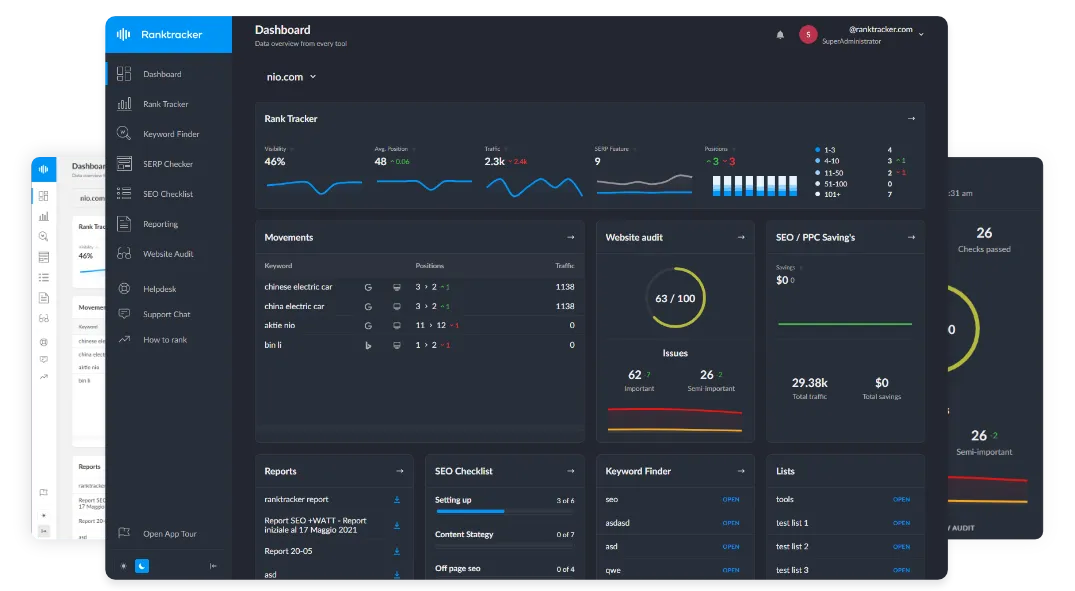
Behind every successful business is a strong SEO campaign. But with countless optimization tools and techniques out there to choose from, it can be hard to know where to start. Well, fear no more, cause I've got just the thing to help. Presenting the Ranktracker all-in-one platform for effective SEO
We have finally opened registration to Ranktracker absolutely free!
Create a free accountOr Sign in using your credentials
An introductory explanation may support a broader topic page.
A deeper technical section can evolve into a standalone article.
An off-the-cuff Q&A might contain clean, usable FAQ entries.
Rather than building disconnected posts from scratch, SEO teams can shape several focused pieces from one conversation and interlink them logically. Because the content originated from the same discussion, the resulting pages feel cohesive rather than stitched together.
One source. Several ranking opportunities.
Experts Share More When They Talk
Drafting long articles requires a specific type of effort. It involves outlining, rewriting, and constant refinement — which can slow down subject matter experts who already have full schedules.
Explaining ideas verbally is usually less restrictive.
The All-in-One Platform for Effective SEO
Behind every successful business is a strong SEO campaign. But with countless optimization tools and techniques out there to choose from, it can be hard to know where to start. Well, fear no more, cause I've got just the thing to help. Presenting the Ranktracker all-in-one platform for effective SEO
We have finally opened registration to Ranktracker absolutely free!
Create a free accountOr Sign in using your credentials
In discussion, specialists tend to explore nuances, add context, and respond to spontaneous follow-up questions. That back-and-forth often surfaces clarifications that wouldn’t appear in a tightly edited draft. Once those exchanges are transcribed, editors can reshape the material — trimming repetition, organizing sections, and aligning terminology with keyword research.
The knowledge stays detailed.
The production flow feels smoother.
This division of roles helps maintain publishing consistency without overwhelming contributors.
Routine Conversations Contain Strategic Messaging
Product demos and onboarding calls may feel repetitive internally, yet they show how the company communicates in real scenarios.
They highlight which benefits are emphasized first.
They surface common objections from prospects.
They show how comparisons are positioned during live conversations.
Within one transcript there might be discussions about pricing structures, integration constraints, competitor distinctions, and practical implementation examples. Each element can support a specific search-focused page when refined and expanded.
Instead of inventing new angles, teams polish what was already explained in context.
Internal Consistency Supports Visibility
Transcripts also function as internal references.
When marketing teams can search past conversations, they reuse accurate terminology and positioning across different pages. Landing pages, blog posts, and help articles begin to reflect the same core language. That consistency reduces conflicting descriptions and strengthens thematic clarity.
Search engines respond better to clear, aligned messaging than to scattered phrasing.
Clean Text Speeds Up SEO Workflows
Unedited transcripts filled with recognition errors or broken sentences slow everything down. Teams spend extra hours correcting basic terminology before optimization even begins.
Working with a reliable AI transcriber for SEO teams helps ensure recordings are converted into readable drafts from the start. When the transcript is already structured clearly, adding headings, refining sections, and integrating internal links becomes more straightforward.
Precision is especially important in technical industries, where a small wording mistake can shift meaning or weaken keyword targeting. Clear transcripts protect both accuracy and intent.
Less cleanup means more time spent improving performance.
Refreshing Existing Content With New Insights
Even strong pages lose traction over time. Products evolve. Messaging shifts. Competitors expand their coverage.
Instead of rebuilding articles entirely, teams can record short update discussions with product leads or marketers. Those conversations often surface new examples, clarifications, or refined positioning statements. After transcription, the additions can be inserted directly into existing pages.
Because the input comes from current dialogue, the tone and terminology reflect how the company communicates today. That subtle alignment keeps pages relevant without starting from zero.
Matching Conversational Search Patterns
Search queries continue to move toward full questions and natural phrasing. Users expect direct, structured answers.
The All-in-One Platform for Effective SEO
Behind every successful business is a strong SEO campaign. But with countless optimization tools and techniques out there to choose from, it can be hard to know where to start. Well, fear no more, cause I've got just the thing to help. Presenting the Ranktracker all-in-one platform for effective SEO
We have finally opened registration to Ranktracker absolutely free!
Create a free accountOr Sign in using your credentials
Transcribed discussions frequently contain ready-made question-and-answer segments. When formatted with clear subheadings and concise responses, these sections align well with modern search layouts, including snippet-style results.
Instead of trying to imitate conversational tone, SEO teams refine language that originated in actual conversation. The result tends to feel grounded rather than engineered.
From Archived Audio to Ongoing Traffic
Recordings are often treated as temporary resources. Once a webinar ends or a meeting wraps up, attention shifts elsewhere.
Turning those conversations into structured text extends their usefulness. Teams can identify subtopics, strengthen internal linking, and build thematic depth using material that already exists inside the organization.
The shift isn’t dramatic at first glance. Yet over time, consistently transforming discussions into optimized pages creates momentum. What once lived quietly in audio archives begins contributing to steady, compounding search visibility.