
Intro

Image: Contactors inspecting progress on-site | Source: Freepik
Every contractor knows how quickly a project that looks successful on paper can strain the bank account. Subcontractors expect payment, suppliers want cash up front, and payroll must be met regardless of when the client releases funds. For many contractors, the real challenge isn’t finishing the work; it’s keeping the cash moving while they do it.
Reliable construction cash flow forecasting helps spot trouble before the bank balance shows it. With construction cash flow software, contractors get real-time insight into cash, expenses, and what’s needed to stay on track.
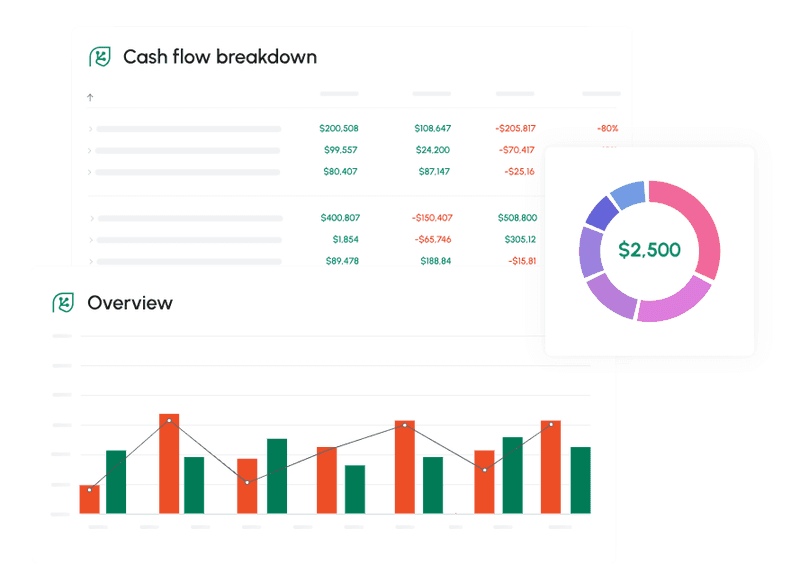
Image: Cash flow breakdown overview on CashFlow Frog | Source: cashflowfrog.com
The Complexity of Construction Projects and Its Impact on Cash Flow
Every construction project operates under its own set of pressures. A bridge, school, or housing complex follows a different timeline and payment structure. Even small setbacks like late permits or delivery delays can disrupt cash timing.
The All-in-One Platform for Effective SEO
Behind every successful business is a strong SEO campaign. But with countless optimization tools and techniques out there to choose from, it can be hard to know where to start. Well, fear no more, cause I've got just the thing to help. Presenting the Ranktracker all-in-one platform for effective SEO
We have finally opened registration to Ranktracker absolutely free!
Create a free accountOr Sign in using your credentials
Different contract types affect the flow of money:
- Cost-plus contracts tie payments to meticulous documentation. Every labor hour, rental, and material purchase must be supported by receipts and daily logs. A single missing delivery ticket can hold up an entire pay application.
- Design-build contracts streamline communication between design and construction but demand strict financial discipline. Any design revision or pricing error lands squarely on the contractor’s balance sheet.
Unpredictable Payment Cycles and Client Behavior
Payments in construction rarely follow a pattern. The job pushes ahead, but the paperwork drags behind. Even when milestones are met, approvals take time, leaving funds on hold while every new day adds to the cost.
Public agencies process payments slowly, and private developers delay until financing arrives. Subcontractors tied to “pay-when-paid” clauses carry the pressure first. One postponed payment can ripple across several projects and vendors.
Setting payment schedules and review deadlines in writing keeps both sides accountable. Weekly reviews of outstanding invoices help identify clients whose payments are slipping.
Labor Costs and Staffing Challenges
Labor spending changes constantly. A site might start with a small crew and expand quickly. Forecasting labor needs requires daily coordination between the field and the finance office.
Labor shortages drive wages higher, and schedule pressure forces crews to log extra hours. A few intense weeks of overtime can push payroll far beyond forecasted limits.
Tracking time daily and reviewing past productivity helps forecast more accurately. Including a modest contingency in labor budgets cushions sudden increases.
Equipment and Resource Management
Heavy equipment drives productivity but drains cash when idle. A crane sitting unused still costs money, and repairs during peak work periods quickly cut into available funds.
Owning machinery brings long-term expenses like storage and maintenance. When equipment moves between sites, assigning costs correctly becomes difficult. Tracking usage and scheduling maintenance before critical work phases keeps costs predictable. Evaluating whether to lease or buy based on total operating costs helps maintain financial stability.
Project Change Orders and Scope Adjustments
Change orders disrupt even well-managed budgets. Design revisions, client requests, or unexpected site conditions often create new expenses before extra payments are approved.
The All-in-One Platform for Effective SEO
Behind every successful business is a strong SEO campaign. But with countless optimization tools and techniques out there to choose from, it can be hard to know where to start. Well, fear no more, cause I've got just the thing to help. Presenting the Ranktracker all-in-one platform for effective SEO
We have finally opened registration to Ranktracker absolutely free!
Create a free accountOr Sign in using your credentials
A material change worth hundreds of thousands can take weeks for approval. Work continues while cash tightens. A clear process for documenting and approving changes helps finance teams update forecasts quickly. Keeping a small reserve for variations protects liquidity when adjustments occur mid-project.
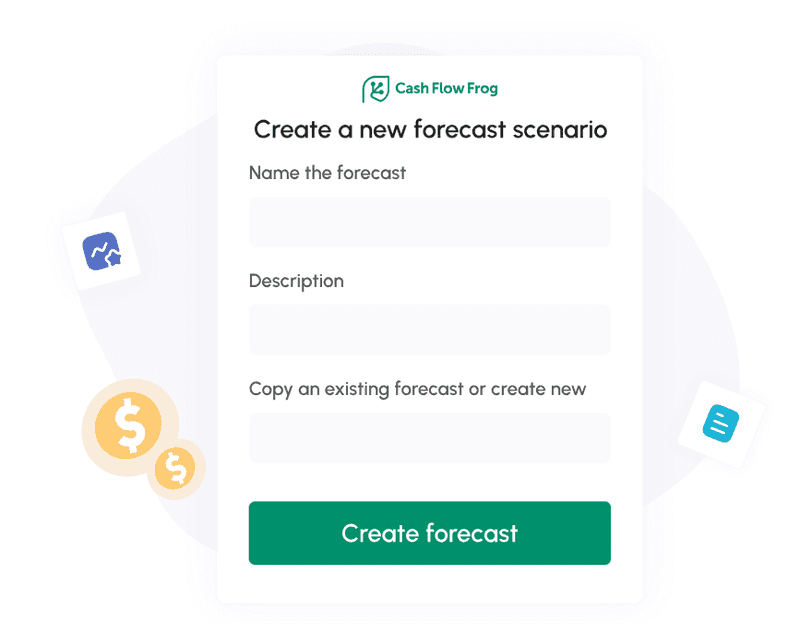
Image: Forecast scenario feature on CashFlow Frog | Source: cashflowfrog.com
Tools and Techniques to Improve Forecast Accuracy
Old data leads to expensive mistakes. Accurate forecasting depends on integrated tools, including scheduling platforms, procurement trackers, and accounting systems that update in real-time, so financial data reflects the job as it happens.
Centralized dashboards show live shifts in costs, schedules, and progress in each project. With that visibility, project leaders can refine construction cash flow forecasting instantly, adjusting before small issues become cash bottlenecks.
Through scenario planning and historical data reports in construction cash flow software like CashFlow Frog, it’s easier to connect current performance to future financial outcomes.
The All-in-One Platform for Effective SEO
Behind every successful business is a strong SEO campaign. But with countless optimization tools and techniques out there to choose from, it can be hard to know where to start. Well, fear no more, cause I've got just the thing to help. Presenting the Ranktracker all-in-one platform for effective SEO
We have finally opened registration to Ranktracker absolutely free!
Create a free accountOr Sign in using your credentials
Construction project finance management improves when all teams stay involved. Site managers understand current spending, while finance teams manage timing. When departments share data, forecasts reflect reality and funds move where needed most, reducing the risk of interruptions.
Conclusion
Cash flow forecasting in construction demands consistency and communication. Complex projects, uneven payments, rising labor costs, and design changes all influence financial health.
Companies that stay organized and update forecasts regularly maintain better control of their resources. Reliable forecasting keeps wages paid, suppliers confident, and work continuous.
For contractors ready to get ahead of cash challenges, Cash Flow Frog turns construction project finance management into a system that tracks, predicts, and protects your cash flow.
What’s helped you keep cash moving smoothly between milestones? Tell us more in the comments.

