
Intro

For years, SEO teams were told the same thing:
“Publish more.”
More pages meant more keywords. More keywords meant more traffic. More traffic meant growth.
In 2026, that advice is no longer just outdated — it’s often harmful.
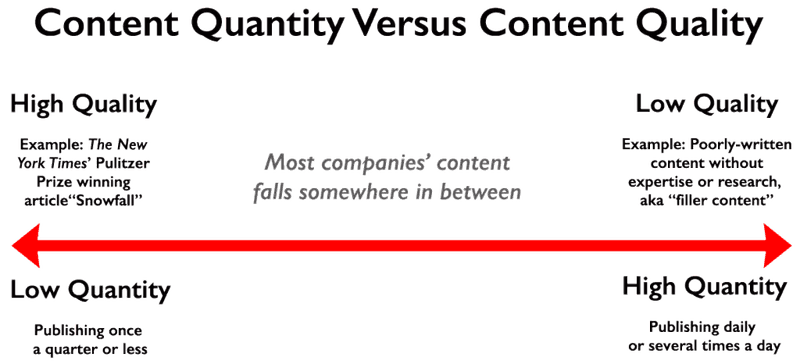
Search engines have shifted away from rewarding sheer publishing velocity and toward evaluating whether content deserves to exist at all. Content quality hasn’t replaced content velocity — but it now controls whether velocity helps or hurts you.
The All-in-One Platform for Effective SEO
Behind every successful business is a strong SEO campaign. But with countless optimization tools and techniques out there to choose from, it can be hard to know where to start. Well, fear no more, cause I've got just the thing to help. Presenting the Ranktracker all-in-one platform for effective SEO
We have finally opened registration to Ranktracker absolutely free!
Create a free accountOr Sign in using your credentials
Understanding this balance is critical for modern SEO.
The Era When Velocity Worked
High content velocity worked when:
- Indexing was permissive
- Thin content could rank
- Keywords mapped cleanly to pages
- SERPs were mostly blue links
If you published faster than competitors, you often won by default.
That environment no longer exists.
Google now evaluates sites at a pattern level, not a page level. Velocity without quality no longer looks like growth — it looks like noise.
Why Velocity Alone Is Now a Liability

Publishing fast is no longer neutral.
High velocity without control introduces:
- Index bloat
- Keyword cannibalization
- Topical confusion
- Trust dilution
- Silent deindexing
AI-driven systems don’t ask: “How often does this site publish?”
They ask: “Does this site repeatedly publish useful, consistent, trustworthy content?”
The All-in-One Platform for Effective SEO
Behind every successful business is a strong SEO campaign. But with countless optimization tools and techniques out there to choose from, it can be hard to know where to start. Well, fear no more, cause I've got just the thing to help. Presenting the Ranktracker all-in-one platform for effective SEO
We have finally opened registration to Ranktracker absolutely free!
Create a free accountOr Sign in using your credentials
If the answer becomes unclear, visibility erodes — quietly.
Quality Is No Longer Subjective
In modern search, “quality” isn’t about prose.
It’s about utility and clarity.
Search engines evaluate whether content:
- Answers a real question
- Adds something distinct
- Aligns cleanly with intent
- Fits within the site’s topical focus
- Can be safely reused in summaries
AI Overviews accelerated this shift. Content that can’t be summarized accurately is less likely to be trusted at all.
How Google Actually Interprets Content Velocity Today

Velocity is no longer a ranking factor. It’s a risk amplifier.
High velocity:
- Amplifies clarity if strategy is strong
- Amplifies confusion if strategy is weak
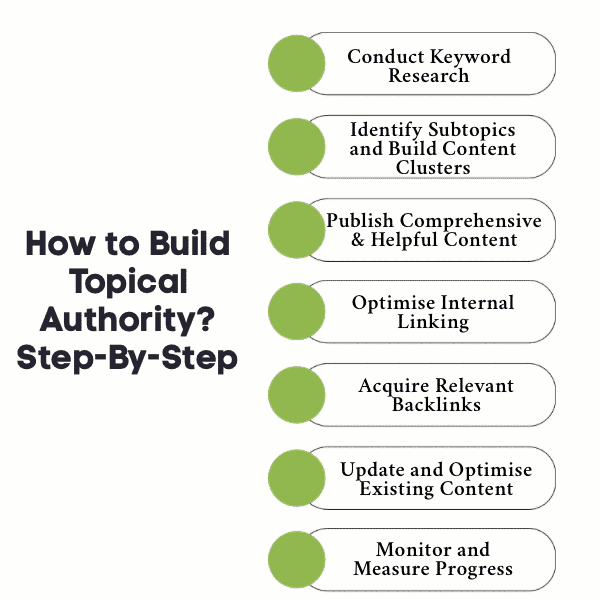
A site publishing 50 high-quality pages per month within a tight topic cluster can outperform one publishing 500 loosely related pages.
Velocity only helps when direction is locked.
What Google Rewards Instead of Raw Output
1. Consistency of Topic Coverage
Search engines reward sites that:
- Stay within clear topical boundaries
- Expand depth logically
- Reinforce concepts repeatedly
Ten interconnected pages outperform fifty disconnected ones.
This is why topical authority consistently beats keyword sprawl.
2. Consolidation Over Expansion
Modern SEO increasingly favors:
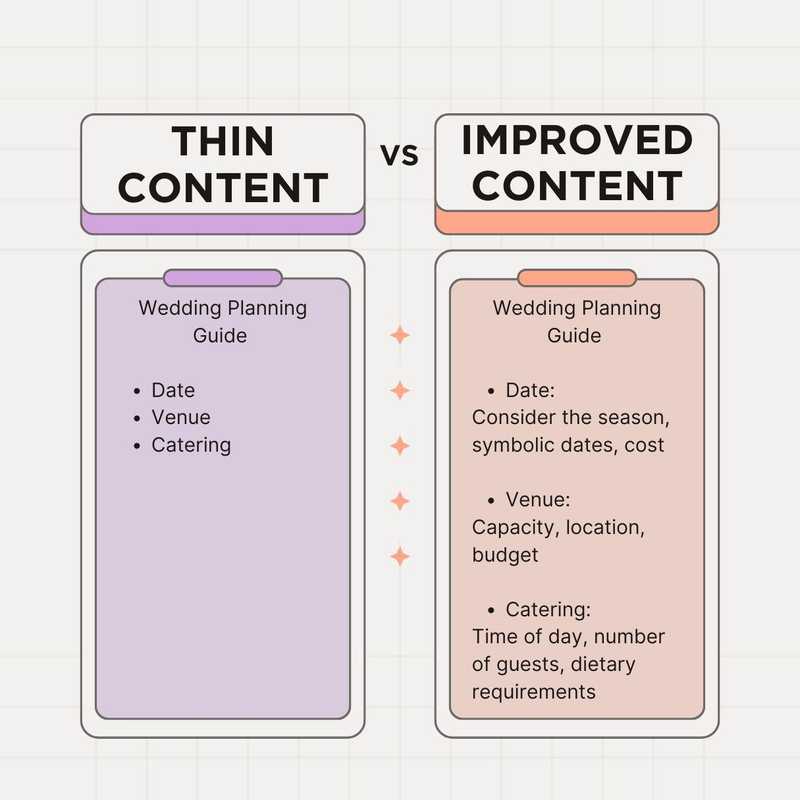
- Fewer, stronger pages
- Merged resources
- Clear canonical answers
Deleting or merging content often improves rankings faster than publishing new pages.
This would have been unthinkable a decade ago.
3. Editorial Intent Clarity
Pages that try to:
- Inform and sell
- Compare and explain
- Rank and persuade
…at the same time often fail at all three.
Google rewards pages with one dominant purpose, executed clearly.
Velocity that ignores intent locking degrades performance.
Why AI Made Quality Non-Negotiable
AI systems require safe inputs.
Answer engines and summaries prefer content that:
- Is internally consistent
- Uses stable terminology
- Avoids contradiction
- States answers confidently
This makes quality measurable at scale.
Platforms like:
- ChatGPT
- Perplexity
- Gemini
…select sources based on predictability and trust, not publishing frequency.
High velocity without quality lowers citation probability — even if rankings remain temporarily stable.
The Sites That Still Win With High Velocity
High content velocity still works — but only for certain sites.
It works when:
- There is a strong editorial layer
- Content is pruned continuously
- Intent overlap is actively managed
- Internal linking is deliberate
- Topics are narrowly defined
Media publishers and large platforms succeed here because velocity is paired with ruthless filtering.
Most brands don’t have that infrastructure — and pay the price for copying the output without the discipline.
The New Content Velocity Rule
In 2026, this rule holds true:
If you don’t know which pages you would delete next month, you’re publishing too fast.
High-performing teams plan deletion, merging, and pruning before they publish.
Velocity without a removal strategy is unsustainable.
Measuring Quality the Way Google Does
Google doesn’t “read” content the way humans do.
It looks for signals like:
- Repeated satisfaction across similar queries
- Stable rankings over time
- Inclusion in SERP features
- AI summary reuse
- Topic-level visibility growth
Traffic spikes are less important than visibility stability.
SEO platforms like Ranktracker increasingly emphasize topic coverage, SERP features, and visibility trends because these reflect quality at scale — not just output volume.
What SEO Teams Should Stop Doing
To align with what Google rewards now, teams should stop:
- Measuring success by pages published
- Equating speed with competitiveness
- Publishing without consolidation plans
- Letting AI dictate content direction
- Avoiding deletion out of fear
Quantity is easy. Coherence is hard.
Google rewards the hard part.
The Balanced Strategy That Actually Works
Winning strategies in 2026 look like this:
- Publish at a sustainable pace
- Expand topics deliberately
- Merge aggressively
- Prune regularly
- Reinforce internally
- Measure visibility, not output
Velocity becomes a multiplier — not the engine.
Final Takeaway
Google didn’t stop rewarding content velocity.
The All-in-One Platform for Effective SEO
Behind every successful business is a strong SEO campaign. But with countless optimization tools and techniques out there to choose from, it can be hard to know where to start. Well, fear no more, cause I've got just the thing to help. Presenting the Ranktracker all-in-one platform for effective SEO
We have finally opened registration to Ranktracker absolutely free!
Create a free accountOr Sign in using your credentials
It stopped forgiving uncontrolled velocity.
In modern SEO:
- Quality determines trust
- Trust determines visibility
- Visibility compounds
Publishing faster than your competitors no longer guarantees advantage.
Publishing better, clearer, and more consistently does.
Velocity still matters — but only when quality is non-negotiable.

