
Intro

SEO no longer revolves around keywords alone.
Modern search engines don’t just index pages — they understand entities. Brands, products, people, locations, and concepts are all treated as identifiable, connected objects inside massive knowledge systems.
If SEO used to be about matching words, entity-based SEO is about recognizing meaning.
This shift explains why:
- Brands outrank better-optimized pages
- Mentions matter even without links
- AI Overviews reference some sites and ignore others
- Authority compounds unevenly across competitors
Understanding entity-based SEO is now essential to staying visible in modern search.
What Is Entity-Based SEO?
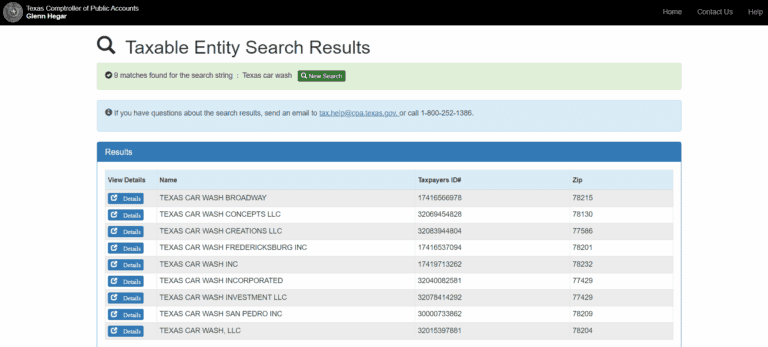
Entity-based SEO focuses on how search engines identify, understand, and trust real-world entities instead of just webpages.
The All-in-One Platform for Effective SEO
Behind every successful business is a strong SEO campaign. But with countless optimization tools and techniques out there to choose from, it can be hard to know where to start. Well, fear no more, cause I've got just the thing to help. Presenting the Ranktracker all-in-one platform for effective SEO
We have finally opened registration to Ranktracker absolutely free!
Create a free accountOr Sign in using your credentials
An entity can be:
- A brand
- A company
- A product
- A person
- A location
- A defined concept
Search engines don’t ask: “Which page mentions this keyword most?”
They ask: “What is this thing, what is it related to, and can it be trusted?”
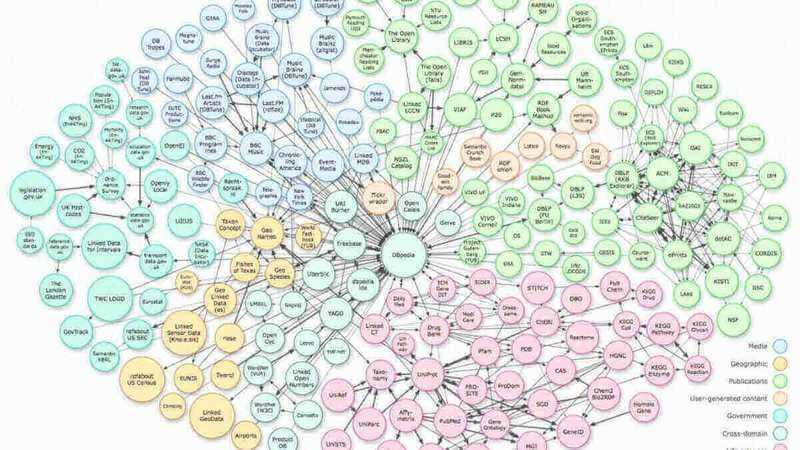
This approach is foundational to how Google processes information through systems like its Knowledge Graph.
Why Search Engines Moved Beyond Keywords
Keywords are ambiguous.
For example:
- “Apple” could mean a fruit or a company
- “Jaguar” could mean an animal or a car
- “Python” could mean a snake or a programming language
Entity-based understanding resolves this ambiguity by mapping relationships and attributes, not just text strings.
AI-driven search made this mandatory. Large language models require structured understanding — not guesswork.
How Search Engines Understand Entities
Search engines build entity understanding through several layers.
1. Identification
First, the engine identifies whether something is an entity at all.
Signals include:
- Consistent naming
- Repeated references across sources
- Clear descriptions
- Contextual relevance
A brand that appears inconsistently or rarely is harder to identify as a distinct entity.
2. Classification
Once identified, the entity is classified.
The All-in-One Platform for Effective SEO
Behind every successful business is a strong SEO campaign. But with countless optimization tools and techniques out there to choose from, it can be hard to know where to start. Well, fear no more, cause I've got just the thing to help. Presenting the Ranktracker all-in-one platform for effective SEO
We have finally opened registration to Ranktracker absolutely free!
Create a free accountOr Sign in using your credentials
For example:
- Brand → SEO software
- Person → SEO expert
- Company → SaaS provider
Classification helps search engines understand what role the entity plays.
3. Relationship Mapping
Entities don’t exist in isolation.
Search engines map:
- Brand ↔ product
- Brand ↔ industry
- Brand ↔ competitors
- Brand ↔ concepts
This relationship graph is what allows AI systems to answer questions like: “Which SEO tools are best for agencies?” without scanning individual pages.
4. Trust Scoring
Finally, entities are evaluated for reliability.
Trust signals include:
- Consistency across sources
- Mentions on authoritative sites
- Alignment with known facts
- Absence of contradictions
This trust layer is what determines:
- Who gets cited
- Who appears in AI summaries
- Who is ignored
Why Entity SEO Explains Modern Ranking Behavior
Entity-based SEO explains patterns that keyword-based thinking cannot.
Why Brands Rank With Fewer Links
Strong entities often outrank weaker ones even with fewer backlinks because:
- They are recognized
- They are trusted
- They are contextually associated with a topic
Links still matter — but entity trust increasingly determines how much links matter.
Why Mentions Matter Without Links
Unlinked brand mentions reinforce entity recognition.
Search engines learn: “This brand exists” “This brand is talked about” “This brand is associated with this topic”
AI systems don’t rely on hyperlinks the way crawlers do. They rely on recognition patterns.
Why AI Overviews Favor Certain Sources
AI Overviews synthesize from entities they understand and trust.
If your brand isn’t clearly defined as:
- What you are
- What you do
- What you’re known for
…you’re less likely to be included — regardless of rankings.
Entity SEO vs Traditional SEO
Traditional SEO focused on:
- Keywords
- Backlinks
- Page optimization
- Rankings
Entity-based SEO focuses on:
- Brand clarity
- Topic association
- Consistency
- Trust signals
The two are not opposites — but entity SEO now sits above traditional SEO.
Keywords help pages rank. Entities help brands win visibility.
How to Strengthen Your Brand as an Entity
1. Be Consistent Everywhere
Your brand name, description, and positioning should be consistent across:
- Your website
- Articles and mentions
- Author bios
- Third-party platforms
Inconsistency weakens entity recognition.
2. Own a Clear Topic Association
Strong entities are known for something specific.
Trying to rank for everything at once makes it harder for search engines to classify you.
Topical focus builds:
- Stronger relationships
- Clearer relevance
- Faster authority accumulation
3. Build Topical Depth, Not Just Pages
Search engines trust entities that demonstrate:
- Repeated expertise
- Broad coverage
- Logical progression
This is why topic clusters outperform isolated pages in modern search.
4. Earn Mentions, Not Just Links
PR, partnerships, and genuine visibility matter more than ever.
Mentions in:
- Industry articles
- Comparisons
- Discussions
- Expert commentary
…reinforce entity trust even when links aren’t present.
5. Structure Content for AI Understanding
Clear definitions, structured explanations, and consistent terminology help AI systems map your brand correctly.
SEO platforms like Ranktracker emphasize visibility, topic coverage, and brand presence because these are direct proxies for entity strength in modern search.
Entity SEO and AI Search Engines
Entity-based SEO is not limited to Google.
AI-driven systems such as:
- ChatGPT
- Perplexity
- Gemini
…all rely on entity understanding to generate reliable answers.
They don’t “rank pages.” They reference entities.
If your brand isn’t recognized as an entity, it’s invisible in these environments.
The Long-Term Advantage of Entity-Based SEO
Entity strength compounds.
Once search engines:
- Understand who you are
- Trust what you publish
- Associate you with a topic
…every new page performs better by default.
The All-in-One Platform for Effective SEO
Behind every successful business is a strong SEO campaign. But with countless optimization tools and techniques out there to choose from, it can be hard to know where to start. Well, fear no more, cause I've got just the thing to help. Presenting the Ranktracker all-in-one platform for effective SEO
We have finally opened registration to Ranktracker absolutely free!
Create a free accountOr Sign in using your credentials
This is why modern SEO success often looks uneven — strong brands accelerate while others stagnate.
Entity-based SEO is not a tactic. It’s the foundation of modern search visibility.
Final Takeaway
SEO has shifted from optimizing pages to establishing meaning.
The brands that win in modern search:
- Are clearly defined
- Are consistently referenced
- Are trusted across contexts
- Are associated with specific topics
Keywords still matter. Links still matter.
But in 2026, entities decide who matters.

