
Intro
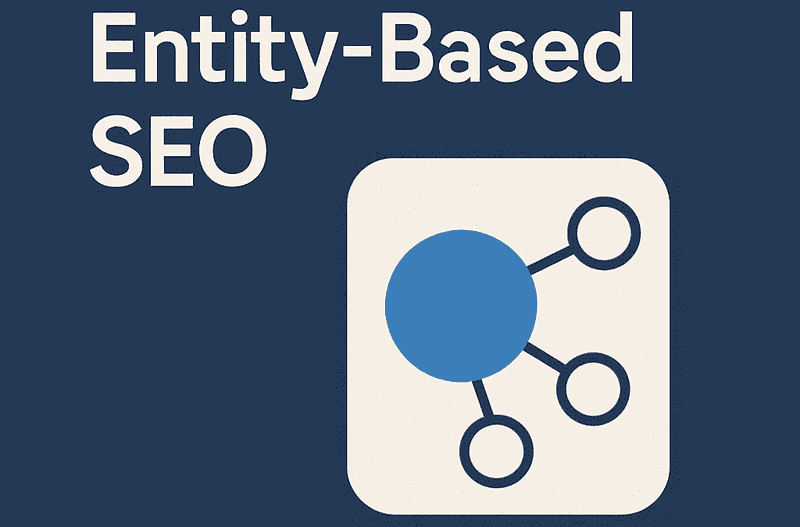
SEO used to be about volume.
More rankings meant more traffic. More traffic meant more leads. More leads meant growth.
In 2026, that equation no longer holds.
Traffic is volatile, increasingly optional, and often intercepted by AI-driven SERPs. What compounds instead — slowly, defensibly, and predictably — is trust. And in modern search, trust manifests as brand authority.
Brand authority has quietly become the strongest moat in SEO. Not because it guarantees clicks, but because it determines who is visible, cited, and believed when clicks aren’t required.
Why Traffic Stopped Being a Reliable Advantage
Traffic is no longer scarce.
The All-in-One Platform for Effective SEO
Behind every successful business is a strong SEO campaign. But with countless optimization tools and techniques out there to choose from, it can be hard to know where to start. Well, fear no more, cause I've got just the thing to help. Presenting the Ranktracker all-in-one platform for effective SEO
We have finally opened registration to Ranktracker absolutely free!
Create a free accountOr Sign in using your credentials
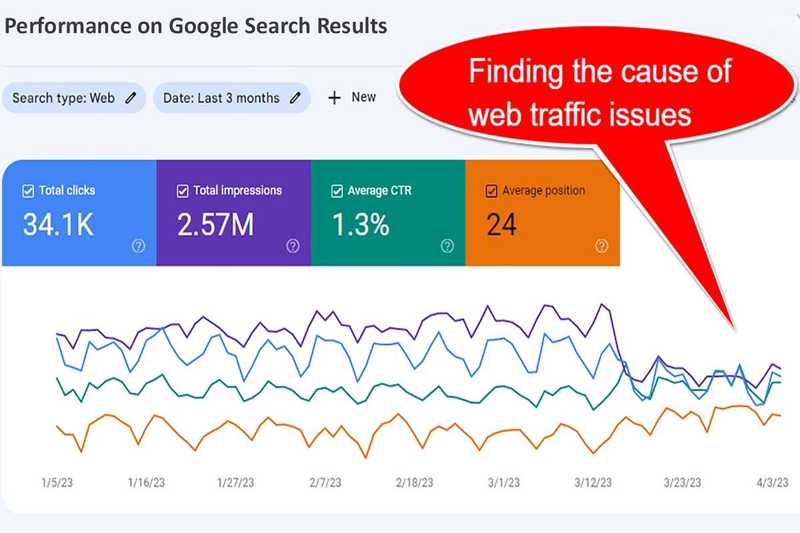
AI Overviews, featured snippets, forums, and knowledge panels now absorb huge portions of demand before users ever reach a website. Many brands are experiencing:
- Flat or declining organic traffic
- Stable or rising impressions
- Higher conversion quality despite fewer visits
This isn’t a failure. It’s a shift.
Google now optimizes for resolution, not referral. When the SERP answers the question, traffic becomes optional — but trust becomes mandatory.
Brand Authority Is What AI Systems Actually Optimize For
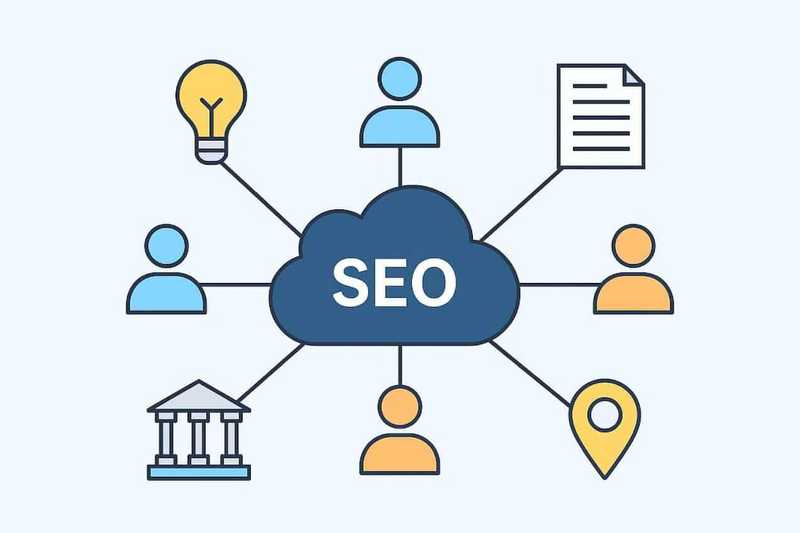
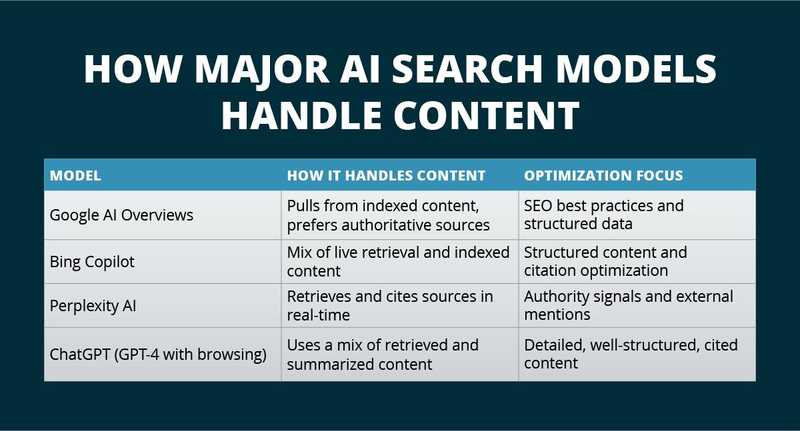
AI-driven search doesn’t rank pages the way classic algorithms did. It evaluates sources.
Answer engines and AI summaries ask:
- Is this a real brand?
- Is it consistently associated with this topic?
- Is it referenced elsewhere?
- Is it safe to quote?
This is why brand authority increasingly determines:
- Inclusion in AI Overviews
- Citation frequency
- Knowledge panel eligibility
- Visibility across SERP features
AI systems from platforms like ChatGPT, Perplexity, and Gemini rely on entity trust, not keyword density.
If your brand isn’t trusted, your content may rank — but it won’t be reused.
The Shift: SEO as Influence, Not Acquisition
Traditional SEO optimized for:
- Rankings
- CTR
- Sessions
Modern SEO optimizes for:
- Recognition
- Repetition
- Recall
Brand authority works even when users don’t click:
- They see your name in an AI summary
- They encounter it across multiple queries
- They recognize it later when intent deepens
By the time a click matters, the decision is already biased.
Why Brand Authority Is a Moat (Not a Tactic)
Anyone can copy:
- Keywords
- Page structure
- Content formats
- On-page optimization
Brand authority can’t be cloned overnight.
The All-in-One Platform for Effective SEO
Behind every successful business is a strong SEO campaign. But with countless optimization tools and techniques out there to choose from, it can be hard to know where to start. Well, fear no more, cause I've got just the thing to help. Presenting the Ranktracker all-in-one platform for effective SEO
We have finally opened registration to Ranktracker absolutely free!
Create a free accountOr Sign in using your credentials
It compounds through:
- Consistent topical coverage
- Repeated mentions across the web
- Stable positioning
- Clear expertise signals
Once established, it creates asymmetric advantage:
- New content ranks faster
- Fewer links are required
- AI systems prefer you by default
- Competitors struggle to displace you
This is the definition of a moat.
What Actually Builds Brand Authority in Search
1. Clear Entity Definition
Search engines need to understand what you are.
That means:
- One clear brand name
- One primary category or role
- One dominant topic association
Brands that try to be everything dilute trust. Brands that are known for one thing accumulate it.
2. Topical Ownership Over Time
Authority isn’t proven on one page.
It’s proven when a brand consistently explains:
- Definitions
- Use cases
- Comparisons
- Best practices
- Risks and trade-offs
AI systems reward coverage consistency, not one-off performance.
3. Mentions, Not Just Links
Backlinks still matter — but brand mentions increasingly signal legitimacy.
Repeated references in:
- Industry articles
- Comparisons
- Forums
- Expert commentary
…teach search engines that a brand is recognized, not just optimized.
4. Trustworthy Tone and Positioning
Over-optimized, sales-heavy content erodes trust.
Authority-building content:
- Explains before selling
- Acknowledges limitations
- Uses confident but neutral language
- Prioritizes clarity over hype
AI systems prefer sources that sound reliable — not promotional.
Why Smaller Brands Can Still Win
Brand authority doesn’t require enterprise scale.
Small brands win when they:
- Own narrow topics completely
- Publish opinionated, experience-driven content
- Speak clearly and consistently
- Show up everywhere their audience looks
In AI-driven SERPs, clarity beats size.
This is why niche sites often outperform global brands for specific queries — they’re more trusted within that context.
Measuring Brand Authority (When Traffic Lies)
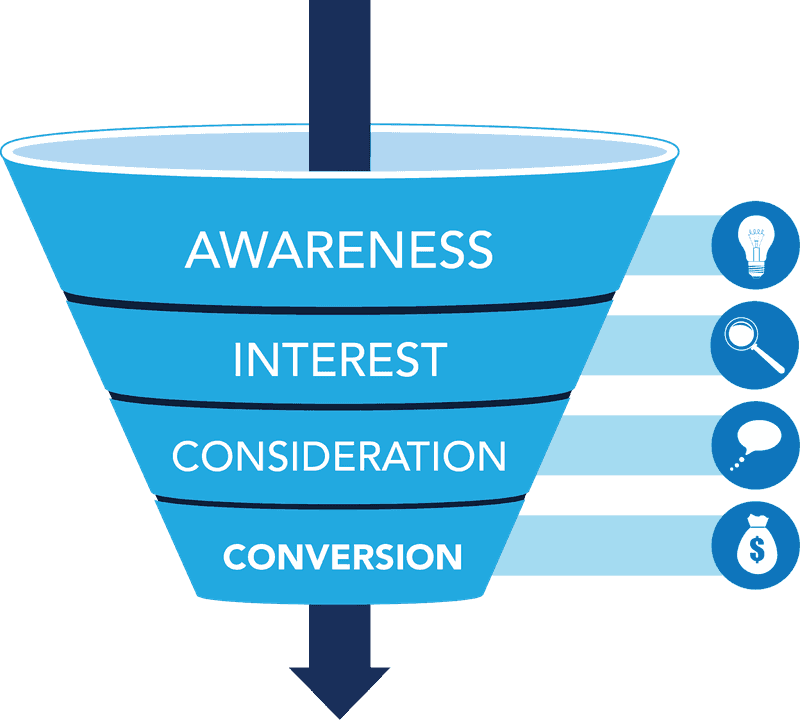
Brand authority doesn’t show up cleanly in analytics.
Better indicators include:
- Growth in branded search queries
- Increased inclusion in SERP features
- Repeated visibility across related queries
- Higher conversion efficiency per visit
- Citation frequency in AI answers
SEO platforms like Ranktracker focus on visibility, topic coverage, and brand presence because these signals reflect authority — not just traffic.
Why Brand Authority Protects Against Algorithm Shifts
Algorithm updates punish tactics.
They rarely punish trust.
Brands with strong authority tend to:
- Recover faster after updates
- Lose less visibility during volatility
- Maintain AI inclusion
- Benefit from new SERP features first
When search engines change how they surface answers, they rely more heavily on brands they already trust.
That’s why authority compounds while tactics decay.
The New SEO Moat Explained Simply
In 2026:
- Traffic is rented
- Rankings are contested
- Brand authority is owned
You can lose traffic overnight. You can lose rankings tomorrow. You don’t lose trust easily.
That’s why modern SEO strategies increasingly look less like growth hacking and more like brand building — executed through content, consistency, and visibility.
Final Takeaway
SEO has crossed a threshold.
The question is no longer: “How do we get more clicks?”
The All-in-One Platform for Effective SEO
Behind every successful business is a strong SEO campaign. But with countless optimization tools and techniques out there to choose from, it can be hard to know where to start. Well, fear no more, cause I've got just the thing to help. Presenting the Ranktracker all-in-one platform for effective SEO
We have finally opened registration to Ranktracker absolutely free!
Create a free accountOr Sign in using your credentials
It’s: “How do we become the source search engines trust?”
Brand authority is the answer.
It determines:
- Who gets cited
- Who gets summarized
- Who gets remembered
- Who survives when traffic disappears
In an AI-driven search world, trust is the asset that compounds.
Traffic follows trust — not the other way around.

