Intro
Amazon affiliate SEO was already getting harder.
Now Google AI Mode makes it even more brutal — because Google can summarize buying advice, recommend products, and answer “best X for Y” queries without sending the click.
That hits affiliate sites where it hurts most:
- fewer clicks
- lower CTR
- weaker top-of-funnel traffic
- less room for “generic review content”
But Amazon affiliate stores can still win in AI Mode.
The playbook just changes from:
“write more reviews” → “become the most citable decision source”
What Google AI Mode Changes for Amazon Affiliate SEO
Traditional affiliate SEO was based on:
- “best X” list posts
- “X vs Y” comparisons
- individual product reviews
- “top 10” roundups
- buying guides
AI Mode can now generate the entire “top 5” list itself.
So the classic affiliate approach (“rewrite product descriptions + add pros/cons”) gets crushed.
What happens next:
-
AI Mode pulls sources that are genuinely useful
-
weak affiliate content becomes invisible
-
the winners are the sites with depth, trust, and unique value
The Biggest Risk: “Best” Keywords Become Zero-Click
Amazon affiliate sites depend heavily on queries like:
- best [product]
- best [product] under $100
- best [product] for beginners
- best [product] for [use case]
Those are exactly the queries AI Mode loves.
The All-in-One Platform for Effective SEO
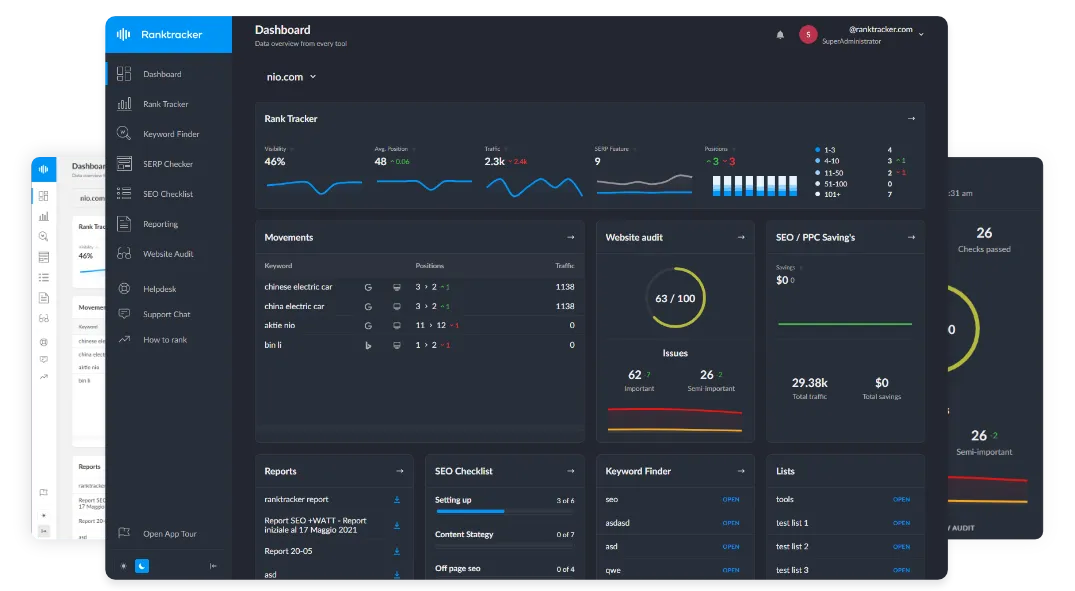
Behind every successful business is a strong SEO campaign. But with countless optimization tools and techniques out there to choose from, it can be hard to know where to start. Well, fear no more, cause I've got just the thing to help. Presenting the Ranktracker all-in-one platform for effective SEO
We have finally opened registration to Ranktracker absolutely free!
Create a free accountOr Sign in using your credentials
So even if you rank #1, you can still lose traffic because users get enough information inside Google.
This is why affiliate SEO is shifting to:
-
deeper intent targeting
-
better on-page structure
-
unique original content
-
credibility and topical authority
The Biggest Opportunity: AI Mode Can Still Cite You
AI Mode still uses sources.
And when it cites a source, that can create:
- authority
- brand recognition
- higher-quality clicks
- more “ready to buy” visitors
But you only get cited if your page actually deserves it.
What AI Mode Rewards (Affiliate Edition)
AI Mode tends to cite content that is:
- clear and structured
- experience-based (real testing)
- specific about who each product is for
- honest about tradeoffs
- not obviously templated
- supported by data/specs that matter
What AI Mode avoids citing
- “best X” listicles with no real insight
- generic pros/cons copied from Amazon listings
- thin product reviews with no unique perspective
- pages stuffed with affiliate links and fluff
If your affiliate site looks like an SEO template farm, AI Mode will pull from someone else.
Amazon Affiliate Keywords That Still Work in AI Mode
Not all affiliate keywords are equal anymore.
These will become more valuable:
Ultra-specific long-tail intent keywords
- best [product] for [very specific use case]
- best [product] for [problem] + [budget]
- best [product] for [user type]
Examples:
- best keyboard for small hands
- best blender for frozen fruit under $100
- best chair for tall people with back pain
- best monitor for MacBook 4K under $300
These still get clicks because buyers want certainty.
Comparison keywords
- [product A] vs [product B]
- [brand A] vs [brand B]
- [feature] vs [feature]
These often stay click-worthy because AI summaries trigger follow-up research.
“Why does / does it” queries
- does [product] work with [device]
- is [product] worth it
- why is [product] so expensive
- what size [product] should I buy
These are perfect for affiliate pages because they target buyer anxiety.
How to Optimize Amazon Affiliate Stores for Google AI Mode
Here’s the survival playbook.
Stop writing “Top 10 Best X” pages with no unique value
If you’re doing affiliate SEO in 2026, generic roundups are dead unless you add:
- original testing
- decision frameworks
- unique comparisons
- clear “best for” logic
- real-world pros/cons
AI Mode has no reason to cite “same content, different blog.”
Create “Best For” pages instead of generic “Best” pages
A generic keyword like “best office chair” is too broad.
Instead, win the long-tail with pages like:
- best office chair for tall people
- best office chair for small spaces
- best office chair for back pain under $200
- best office chair for posture correction
- best chair for gaming + work hybrid use
These pages are:
-
easier to rank
-
more likely to get cited
-
more likely to convert
Add a “How We Chose” section (AI Mode loves criteria)
AI Mode prefers pages that explain methodology.
Add a section that covers:
- what factors matter (comfort, durability, warranty)
- how you ranked products
- what you avoided
- who should choose what
This makes your roundup credible.
Write product comparisons that include decision triggers
Instead of saying:
“Product A is great, Product B is also great…”
The All-in-One Platform for Effective SEO
Behind every successful business is a strong SEO campaign. But with countless optimization tools and techniques out there to choose from, it can be hard to know where to start. Well, fear no more, cause I've got just the thing to help. Presenting the Ranktracker all-in-one platform for effective SEO
We have finally opened registration to Ranktracker absolutely free!
Create a free accountOr Sign in using your credentials
Say:
- choose A if you want X
- choose B if you need Y
- avoid both if you have Z needs
AI Mode cites content that reduces decision uncertainty.
Add experience signals (even if you’re not a huge site)
If you genuinely test products, include:
- real photos
- measurement data
- your setup
- pros/cons based on use
- durability notes
- who it’s not for
If you can’t test, you can still add value by including:
- structured spec breakdowns
- buyer mistake prevention
- compatibility logic
- real-world constraints (“too loud”, “too big”, etc.)
AI Mode likes “real constraints.”
Build topical clusters instead of random review posts
Affiliate sites that survive AI Mode will look more like:
- authority content hubs
- niche specialist sites
- decision-making resources
Example cluster for “coffee grinders”:
- best coffee grinder for espresso
- burr vs blade grinder
- grinder size guide
- best grinder under $100
- how to choose grind size
- how to clean a grinder
When you do this, Google sees topical authority — and AI Mode trusts you more.
Conversion Optimization for Amazon Affiliate Stores (Still Matters)
Since traffic may drop, every visitor matters more.
To improve earnings:
- show quick picks at the top (“best overall”, “best budget”, “best premium”)
- add jump links and clean structure
- add “best for” labels
- keep tables lightweight (or use simple lists)
- add FAQs that match buyer questions
- improve page speed and UX
AI Mode reduces casual clicks, so optimize for serious buyers.
Amazon Affiliate Stores: The Trust Problem in AI Mode
Google is stricter with affiliate content now.
To boost trust:
- add a real About page
- add author bios
- disclose affiliate relationship clearly
- keep content updated
- cite sources for specs where necessary
- avoid fake claims and hype
AI Mode prefers sites that look legitimate and maintained.
Final Take: Affiliate SEO Is Not Dead — But Lazy Affiliate SEO Is
Google AI Mode is killing:
- templated review sites
- generic “Top 10” lists
- thin content built only for rankings
But it rewards:
- narrow expertise
- decision-focused guides
- honest comparisons
- helpful structure
- topical depth
Amazon affiliate sites can still grow in 2026 — but only if they become the best buying assistant in their niche.