
Intro
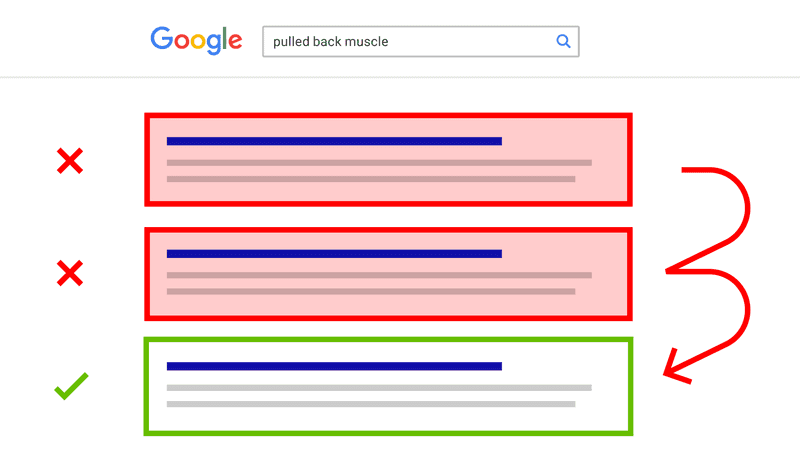
For years, SEO felt like a losing game for small websites.
Big brands had:
- Massive budgets
- Thousands of backlinks
- Domain authority built over decades
- Entire teams dedicated to content and PR
And yet, in 2026, small websites are still winning — sometimes spectacularly.
Not by competing head-on with enterprise brands, but by playing a different game entirely. Modern search rewards precision, relevance, and usefulness far more than raw size.
This article explains how small websites can still beat big brands in search — even in an era of AI Overviews, brand bias, and declining clicks.
The Myth: “Big Brands Always Win”
Big brands do have advantages. But they also have weaknesses.
Large sites are often:
- Slow to publish
- Generic in tone
- Over-approved and watered down
- Afraid to take strong positions
- Built for scale, not specificity
Search engines don’t reward size. They reward intent satisfaction.
The All-in-One Platform for Effective SEO
Behind every successful business is a strong SEO campaign. But with countless optimization tools and techniques out there to choose from, it can be hard to know where to start. Well, fear no more, cause I've got just the thing to help. Presenting the Ranktracker all-in-one platform for effective SEO
We have finally opened registration to Ranktracker absolutely free!
Create a free accountOr Sign in using your credentials
Google increasingly evaluates whether a result solves the user’s problem, not whether the domain looks impressive.
That’s where small sites thrive.
Why Small Websites Still Have an Edge
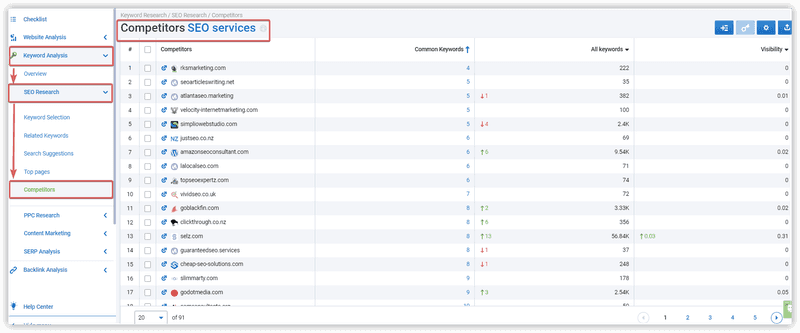
1. They Can Own Narrow Intent Completely
Big brands chase volume. Small sites can chase clarity.
Instead of targeting:
- “SEO tools”
- “Project management software”
- “Best laptops”
Small sites win by targeting:
- “Best SEO tools for solo consultants”
- “Project management for construction crews”
- “Lightweight laptops for remote developers”
Narrow intent is easier to satisfy — and harder for generic brands to fake.
AI Overviews and modern SERPs often reward the most precise answer, not the most authoritative brand.
2. Depth Beats Breadth in AI-Driven Search
AI systems prefer sources that demonstrate deep understanding, not surface-level coverage.
Small sites can:
- Go deeper on fewer topics
- Cover edge cases big brands ignore
- Address real-world constraints
- Use clearer, less corporate language
This builds topical authority faster than publishing hundreds of shallow pages.
Big brands often know everything a little. Small sites can know one thing extremely well.
The All-in-One Platform for Effective SEO
Behind every successful business is a strong SEO campaign. But with countless optimization tools and techniques out there to choose from, it can be hard to know where to start. Well, fear no more, cause I've got just the thing to help. Presenting the Ranktracker all-in-one platform for effective SEO
We have finally opened registration to Ranktracker absolutely free!
Create a free accountOr Sign in using your credentials
3. Experience Beats Authority for Many Queries
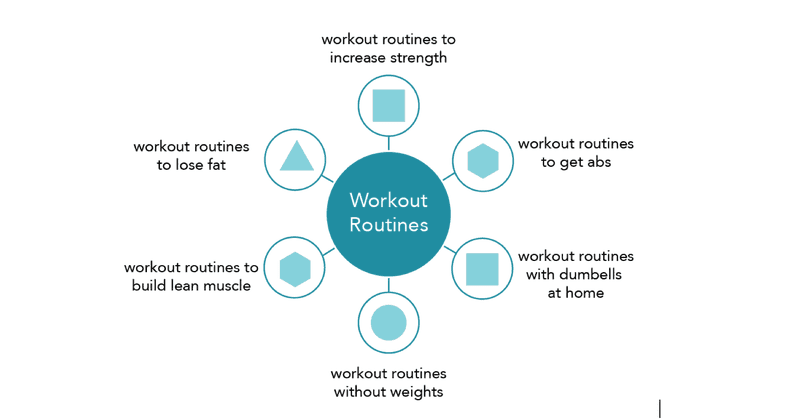
For comparison, review, and “should I” queries, experience matters more than brand power.
Users trust:
- Firsthand accounts
- Real constraints
- Honest trade-offs
- Clear opinions
Small sites naturally sound more human — because they are.
This aligns perfectly with EEAT, especially Experience, which is increasingly decisive for:
- Product comparisons
- Tool reviews
- Service recommendations
- Niche decision-making
AI systems and SERPs often elevate content that feels real, not corporate.
4. Small Sites Adapt Faster Than Algorithms
When search behavior changes, small sites move first.
They can:
- Test formats quickly
- Pivot content strategy
- Update pages without bureaucracy
- Respond to SERP shifts in days, not quarters
Big brands often react slowly — by the time they adapt, the opportunity has passed.
Speed is a competitive advantage.
How Small Sites Actually Win (Practically)
1. Target Queries Big Brands Don’t Care About
Enterprise SEO teams focus on:
- High-volume keywords
- Brand protection
- Revenue-driven pages
They often ignore:
- Low-volume but high-intent queries
- Long-tail problem statements
- Complex “how do I” searches
These queries still convert — and often better.
Winning SEO in 2026 is about coverage quality, not keyword volume.
2. Build Topical Authority Before Expanding
Small sites fail when they try to cover everything.
They win when they:
- Choose one core topic
- Build clusters around it
- Interlink aggressively and logically
- Become the reference for that subject
Once authority is established, expansion becomes easier.
This is how niche sites outrank brands with 100x the backlinks.
3. Write Content Big Brands Can’t Publish
Large brands avoid:
- Strong opinions
- Specific recommendations
- Honest drawbacks
- Non-neutral language
Small sites don’t have to.
Opinionated, experience-driven content:
- Earns trust
- Attracts links naturally
- Gets cited in AI summaries
- Performs well in UGC-heavy SERPs
Neutral content is replaceable. Specific insight is not.
4. Structure Content for AI and Humans
Modern SEO isn’t just ranking — it’s being reused.
Small sites win when they:
- Answer questions clearly at the top
- Use clean structure and headings
- Avoid fluff and filler
- Make paragraphs extractable
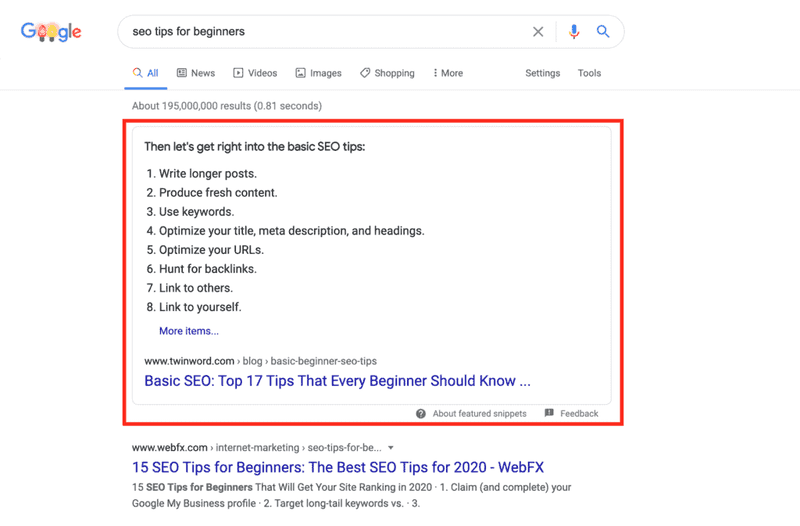
This increases visibility in:
- AI Overviews
- Featured snippets
- Answer engines
AI doesn’t prefer big brands. It prefers clear sources.
What Small Sites Should Stop Doing
To compete effectively, small websites should avoid:
- Chasing head keywords
- Mimicking enterprise content tone
- Publishing thin content for scale
- Obsessing over DR comparisons
- Waiting for “authority” before acting
Authority is built by usefulness, not permission.
The Role of Tools and Measurement
Small sites don’t need enterprise tooling — but they do need focus.
Tracking:
- Topic-level visibility
- SERP feature inclusion
- Query coverage
- Brand search growth
…is far more valuable than watching one or two keyword rankings.
SEO platforms like Ranktracker are built for this type of visibility-first strategy, where winning isn’t about beating Amazon — it’s about owning your lane.
The Real Advantage Small Sites Have
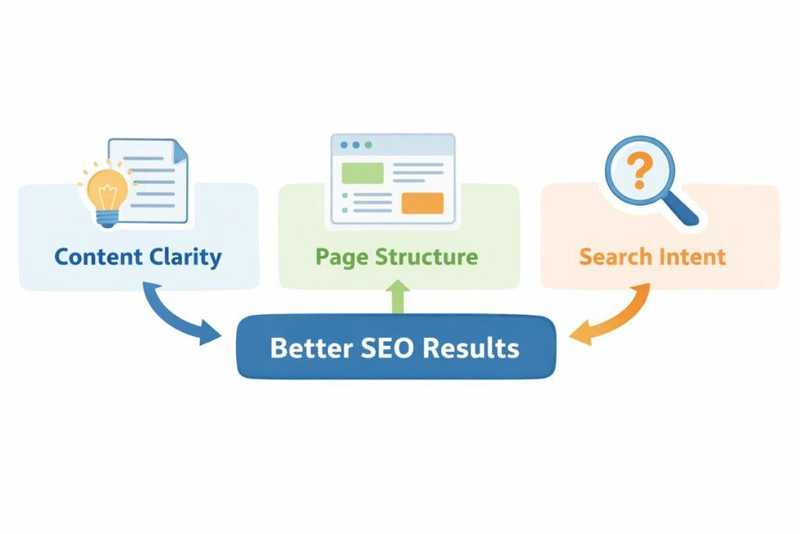
Big brands are optimized for safety.
Small sites are optimized for relevance.
The All-in-One Platform for Effective SEO
Behind every successful business is a strong SEO campaign. But with countless optimization tools and techniques out there to choose from, it can be hard to know where to start. Well, fear no more, cause I've got just the thing to help. Presenting the Ranktracker all-in-one platform for effective SEO
We have finally opened registration to Ranktracker absolutely free!
Create a free accountOr Sign in using your credentials
In modern search, relevance wins more often than people expect.
AI-driven SERPs, zero-click behavior, and UGC dominance have leveled the playing field — not eliminated competition.
Small websites don’t need to beat big brands everywhere. They only need to beat them where it matters.
Final Reality Check
Small sites win when they:
- Choose the right battles
- Go deeper instead of broader
- Sound human, not corporate
- Solve real problems precisely
Big brands will always exist. But search still rewards the site that helps the user best.
And in 2026, that’s often the smallest one in the room.