Intro
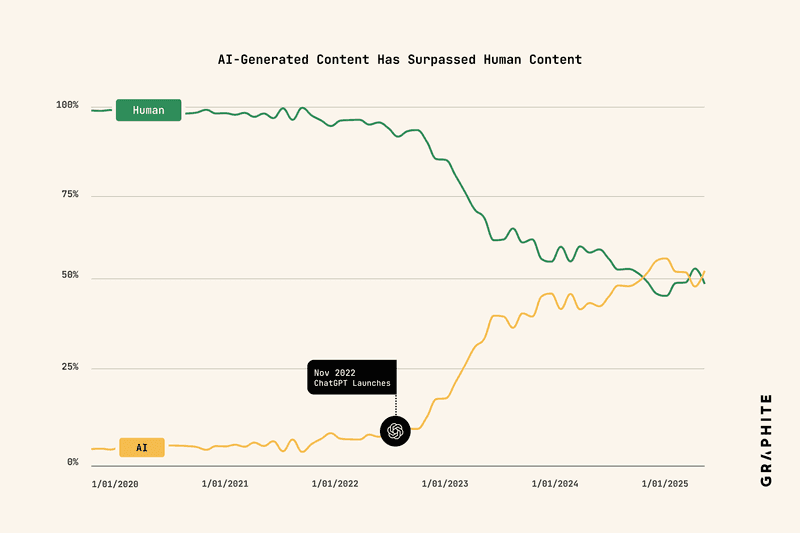
The debate around AI-generated content has moved fast. What started as curiosity quickly became fear, then excitement, and now — confusion.
Some sites publish thousands of AI-written pages and see growth. Others get hit with visibility drops despite following “best practices.” Meanwhile, many human-written sites still outperform everything else.
So what actually performs better in search: human content or AI-generated content?
The real answer is more nuanced than either side admits. Search engines don’t rank based on how content is written — they rank based on what the content proves.
Google Doesn’t Rank Content by Author Type
Let’s clear up the biggest misconception first.
Google does not rank content based on whether it was written by a human or generated by AI. There is no “AI penalty.”
The All-in-One Platform for Effective SEO
Behind every successful business is a strong SEO campaign. But with countless optimization tools and techniques out there to choose from, it can be hard to know where to start. Well, fear no more, cause I've got just the thing to help. Presenting the Ranktracker all-in-one platform for effective SEO
We have finally opened registration to Ranktracker absolutely free!
Create a free accountOr Sign in using your credentials
Google ranks content based on:
- Relevance to intent
- Depth and accuracy
- Topical authority
- Trust signals
- User satisfaction
AI content that meets those standards can rank. Human content that doesn’t will fail.
The issue isn’t AI — it’s how AI is used.
Why AI-Generated Content Often Underperforms
AI-generated content struggles in search when it’s treated as a shortcut instead of a system.
Common failure patterns include:
- Generic explanations with no differentiation
- Rewritten versions of what already exists
- Lack of original insight or experience
- Inconsistent terminology
- Thin topical coverage
AI is excellent at summarizing known information. It is poor at creating new value on its own.
When dozens of sites publish near-identical AI summaries, search engines have no reason to favor one over another.
Where Human-Written Content Still Wins
Human content consistently outperforms AI content in areas where judgment, experience, and originality matter.
This includes:
- Case studies and real-world results
- Opinionated analysis
- Industry-specific nuance
- Firsthand experience
- Strategic insight
Humans naturally add:
- Context
- Prioritization
- Trade-offs
- Intent interpretation
These elements are extremely difficult for AI to fake convincingly — and search engines reward them.
Where AI Content Performs Well
AI-generated content can perform well when used correctly.
It works best for:
- Definitions and explanations
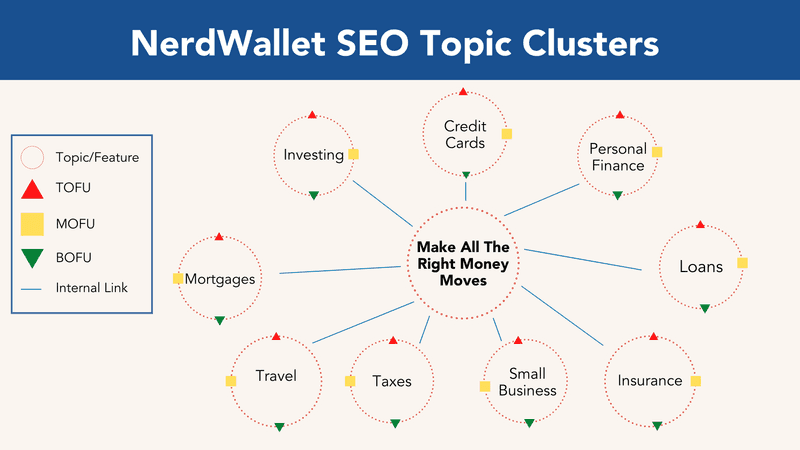
- Supporting articles in topic clusters
- Expanding coverage efficiently
- Updating and refreshing existing pages
- Structuring large-scale content libraries
AI excels at consistency and speed. Used as a foundation, it can dramatically improve topical coverage — if it’s guided properly.
The Real Ranking Factor: Content Confidence
The All-in-One Platform for Effective SEO
Behind every successful business is a strong SEO campaign. But with countless optimization tools and techniques out there to choose from, it can be hard to know where to start. Well, fear no more, cause I've got just the thing to help. Presenting the Ranktracker all-in-one platform for effective SEO
We have finally opened registration to Ranktracker absolutely free!
Create a free accountOr Sign in using your credentials
Search engines increasingly evaluate confidence and consistency.
Confident content:
- States answers clearly
- Uses consistent terminology
- Avoids hedging unnecessarily
- Aligns with related pages on the site
AI content often lacks confidence because it tries to be safe and generic. Human editors instinctively sharpen statements and remove ambiguity.
This is why AI-assisted content with human refinement tends to outperform both extremes.
EEAT Still Separates Winners From Losers
Experience, Expertise, Authoritativeness, and Trust remain central — especially for competitive and sensitive topics.
Human-led signals that improve performance:
- Named authors
- Demonstrated experience
- Clear opinions backed by logic
- Internal consistency across a site
AI content can support EEAT — but it cannot create it on its own.
The Hybrid Model That Actually Wins
In practice, the best-performing sites use a hybrid approach.
AI is used to:
- Scale content production
- Maintain consistency
- Cover breadth efficiently
Humans are used to:
- Set strategy
- Inject insight and experience
- Edit for clarity and confidence
- Ensure accuracy and intent alignment
This model produces content that is:
- Clear enough for AI Overviews
- Deep enough for traditional rankings
- Valuable enough for users
SEO platforms like Ranktracker support this approach by helping teams evaluate rankings, topic coverage, and visibility signals — regardless of how content is produced.
What Actually Performs Better in 2026?
The wrong question is: “Is human or AI content better?”
The All-in-One Platform for Effective SEO
Behind every successful business is a strong SEO campaign. But with countless optimization tools and techniques out there to choose from, it can be hard to know where to start. Well, fear no more, cause I've got just the thing to help. Presenting the Ranktracker all-in-one platform for effective SEO
We have finally opened registration to Ranktracker absolutely free!
Create a free accountOr Sign in using your credentials
The right question is: “Does this content demonstrate authority, clarity, and usefulness?”
In 2026:
- Pure AI content at scale is risky
- Pure human-only production doesn’t scale
- AI-assisted, human-led content performs best
Search rewards outcomes — not authorship.
Final Takeaway
AI didn’t lower the bar for content. It raised it.
When everyone can publish instantly, quality, confidence, and originality become the real differentiators.
The sites that win aren’t choosing between humans and machines. They’re combining both — strategically.