
Intro

International SEO used to be a technical discipline.
Set up hreflang. Translate content. Target local keywords. Rank country by country.
In 2026, that approach is no longer enough.
AI-driven search has reshaped how multilingual, multi-region content is evaluated, surfaced, and trusted. Search engines no longer just ask “Is this page relevant for this country?” — they ask “Is this the best explanation, in the right language, from a trusted source?”
International SEO is no longer about duplication and localization alone. It’s about global authority with local clarity.
Why AI Changed International SEO Fundamentally
AI systems don’t think in country silos.
The All-in-One Platform for Effective SEO
Behind every successful business is a strong SEO campaign. But with countless optimization tools and techniques out there to choose from, it can be hard to know where to start. Well, fear no more, cause I've got just the thing to help. Presenting the Ranktracker all-in-one platform for effective SEO
We have finally opened registration to Ranktracker absolutely free!
Create a free accountOr Sign in using your credentials
They:
- Compare explanations across languages
- Reuse sources globally
- Normalize meaning before localizing it
- Favor consistency over translation volume
Google increasingly evaluates international sites as single entities with multilingual expressions, not as disconnected regional properties.
This means mistakes now scale globally — but so does trust.
The Old International SEO Model (And Why It Breaks)
Traditional international SEO relied on:
- One URL per country/language
- Keyword translation per market
- Independent ranking performance
That model breaks when:
- AI summaries merge sources across regions
- One weak translation undermines global trust
- Conflicting explanations appear in different languages
In an AI-first world, inconsistency is a ranking risk, not just a UX issue.
How AI Systems Evaluate International Content
AI-driven search evaluates multilingual sites on three levels:
1. Conceptual Consistency
AI systems normalize meaning first — language second.
If your English page says one thing and your German or Spanish version explains it differently, AI detects the contradiction.
This reduces:
- Citation likelihood
- SERP feature inclusion
- Trust across all regions
Global authority requires semantic alignment, not literal translation.
2. Local Relevance Signals
While meaning is normalized, context is localized.
AI evaluates whether content:
- Uses local terminology correctly
- References region-specific examples
- Reflects local regulations, pricing, or norms
Literal translation without localization reads as generic — and generic content loses to local clarity.
3. Entity Trust at the Global Level
AI doesn’t trust pages. It trusts entities.
If your brand is recognized globally for a topic, localized versions benefit faster — even in new markets.
The All-in-One Platform for Effective SEO
Behind every successful business is a strong SEO campaign. But with countless optimization tools and techniques out there to choose from, it can be hard to know where to start. Well, fear no more, cause I've got just the thing to help. Presenting the Ranktracker all-in-one platform for effective SEO
We have finally opened registration to Ranktracker absolutely free!
Create a free accountOr Sign in using your credentials
This is why strong global brands:
- Rank quicker internationally
- Appear in AI Overviews across regions
- Need fewer local backlinks
Authority compounds across borders.
Why Hreflang Is Necessary — But No Longer Sufficient
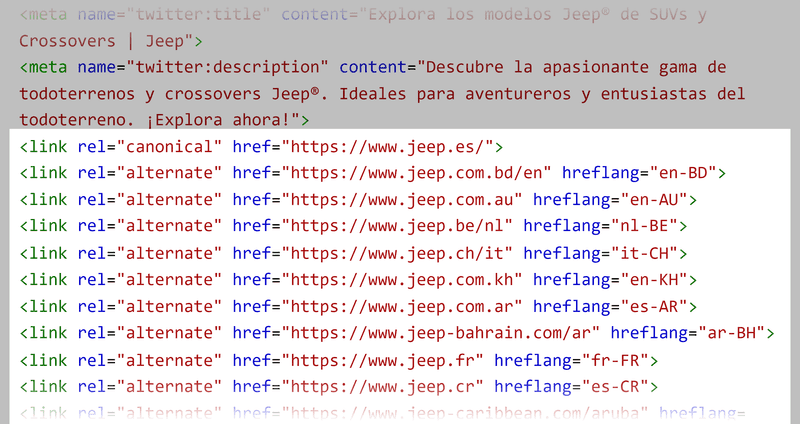
Hreflang still matters.
It helps search engines:
- Serve the correct language version
- Avoid duplicate content confusion
- Route users appropriately
But hreflang does not:
- Create trust
- Improve explanations
- Fix weak localization
- Guarantee AI visibility
In AI-driven search, hreflang is table stakes. Content alignment is the differentiator.
Translation vs Localization in an AI World
Translation Scales Fast — and Fails Fast
Pure translation:
- Preserves wording
- Loses meaning nuance
- Ignores local intent
AI tools can translate perfectly — and still produce content that underperforms.
Localization Builds Trust — Slowly but Safely
Localization adjusts:
- Examples
- Tone
- Terminology
- Assumptions
Localized content:
- Aligns with how users search
- Matches local SERP expectations
- Feels native to AI systems
In 2026, localized clarity beats translated volume.
The Risk of Multilingual Content at Scale
AI makes it easy to publish hundreds of translated pages.
This introduces new risks:
- Global cannibalization
- Inconsistent definitions
- Topic drift between regions
- Silent deindexing
If international pages compete conceptually — even in different languages — authority weakens everywhere.
Successful international SEO teams now:
- Centralize topic definitions
- Lock intent globally
- Localize expression, not meaning
International SEO and AI Overviews
AI Overviews frequently:
- Pull sources from multiple countries
- Cite English content in non-English SERPs
- Favor the clearest explanation, not the closest locale
This creates two realities:
- Strong global pages can outrank weak local ones
- Weak translations can block AI inclusion entirely
To win AI Overviews internationally, content must:
- Be structurally clear
- Use consistent definitions
- Align across languages
AI doesn’t “prefer local.” It prefers reliable.
How to Structure International SEO for 2026
1. Define Topics Centrally
Before translating anything, define:
- Core topic scope
- Primary definitions
- Intent boundaries
Every language version should express the same understanding — adapted, not reinvented.
2. Build Global Hubs, Then Local Variants
Use:
- A central authoritative version (often English)
- Regionally adapted counterparts
This mirrors how AI systems:
- Learn concepts globally
- Apply them locally
3. Localize Examples, Not Fundamentals
What should stay consistent:
- Definitions
- Frameworks
- Core explanations
What should change:
- Case studies
- Regulations
- Cultural references
This balance preserves trust while improving relevance.
4. Reinforce Internal Linking by Language
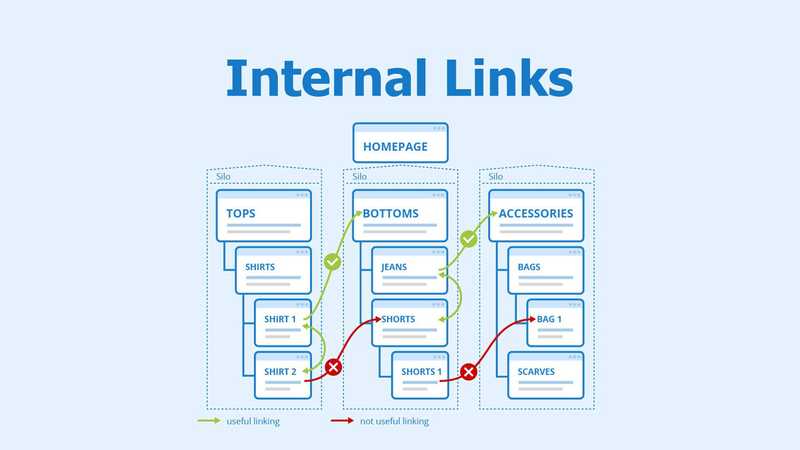
Each language version should:
- Link internally within its ecosystem
- Reflect the same hierarchy as other regions
This signals structural consistency, which AI systems reward.
SEO platforms like Ranktracker support international visibility tracking across languages and regions — essential when AI-driven SERPs blur geographic boundaries.
Measuring International SEO Without Relying on Traffic
Traffic is increasingly misleading in global SEO.
Better signals include:
- Impression growth by region
- SERP feature inclusion per market
- AI Overview appearances across languages
- Growth in branded searches internationally
These show recognition, not just clicks.
What No Longer Works in International SEO
In 2026, these tactics underperform or backfire:
- Auto-translating entire sites without review
- Publishing identical structures across all regions
- Ignoring local SERP features
- Treating each country as a silo
- Measuring success only by rankings
AI exposed shallow international strategies quickly.
The New Goal of International SEO
The goal is no longer: “Rank in every country.”
It’s: “Be the trusted global source — expressed locally.”
When you achieve that:
- New markets ramp faster
- AI systems reuse your content
- Visibility compounds across regions
International SEO becomes leverage, not maintenance.
Final Takeaway
International SEO didn’t get simpler.
The All-in-One Platform for Effective SEO
Behind every successful business is a strong SEO campaign. But with countless optimization tools and techniques out there to choose from, it can be hard to know where to start. Well, fear no more, cause I've got just the thing to help. Presenting the Ranktracker all-in-one platform for effective SEO
We have finally opened registration to Ranktracker absolutely free!
Create a free accountOr Sign in using your credentials
It got stricter.
In an AI-driven search landscape:
- Consistency builds trust
- Localization builds relevance
- Structure builds authority
The brands that win internationally are not the ones translating the most.
They’re the ones explaining the clearest — everywhere, in every language, without contradiction.
That’s what AI rewards now.

