Intro
For most of SEO history, the goal was simple: rank higher and earn the click.
In an AI-first search world, that goal is no longer sufficient.
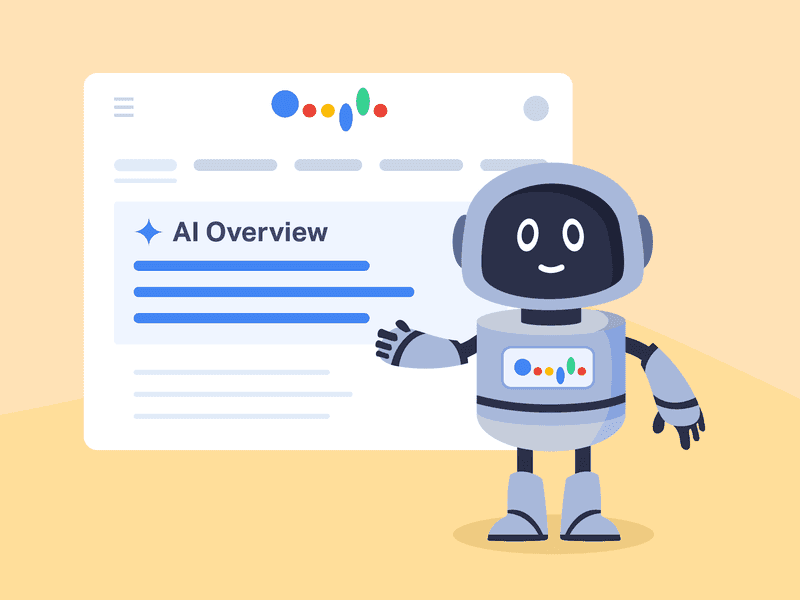
AI Overviews, answer engines, and conversational search tools now cite sources instead of sending traffic. Visibility increasingly comes from being quoted, referenced, or summarized — not from occupying position one.
In 2026, the most valuable SEO outcome isn’t a blue link. It’s an AI citation.
Why AI Citations Matter More Than Rankings
AI-driven search systems don’t rank pages the way classic algorithms did.
They:
- Synthesize multiple sources
- Select trusted explanations
- Reference brands and entities
- Resolve intent without clicks
This means a site can:
- Lose traffic
- Maintain or improve influence
- Shape buyer decisions upstream
Google AI Overviews frequently cite sources that don’t rank first — but do explain things clearly and reliably.
The All-in-One Platform for Effective SEO
Behind every successful business is a strong SEO campaign. But with countless optimization tools and techniques out there to choose from, it can be hard to know where to start. Well, fear no more, cause I've got just the thing to help. Presenting the Ranktracker all-in-one platform for effective SEO
We have finally opened registration to Ranktracker absolutely free!
Create a free accountOr Sign in using your credentials
If you’re not cited, your content may as well not exist in AI-driven SERPs.
AI Citations vs Traditional Rankings
Blue-link SEO optimized for:
- Keyword placement
- Backlinks
- Page-level authority
AI citation SEO optimizes for:
- Trustworthiness
- Extractable explanations
- Entity recognition
- Topic clarity
Rankings answer where you appear. Citations answer whether you’re trusted to speak.
That distinction changes everything.
How AI Systems Choose What to Cite
AI systems don’t browse the web. They select inputs.
Answer engines such as:
- ChatGPT
- Perplexity
- Gemini
…prefer sources that meet four criteria.
1. Clear, Direct Answers
AI citations overwhelmingly come from content that:
- Answers questions immediately
- Uses confident, factual language
- Avoids unnecessary storytelling
- Stands alone when extracted
If your answer requires context to make sense, it’s less likely to be cited.
2. Consistent Terminology and Definitions
AI systems penalize ambiguity.
Pages that:
- Use one term consistently
- Define concepts cleanly
- Avoid synonym swapping
…are easier to summarize safely.
Consistency reduces hallucination risk — which increases citation probability.
3. Entity Trust and Recognition
AI citations strongly favor recognized entities.
This includes:
- Brands with consistent mentions
- Clear topical association
- Repeated visibility across sources
A lesser-ranked page from a trusted entity often beats a better-ranked page from an unknown source.
4. Neutral, Non-Promotional Tone
AI avoids citing content that:
- Feels sales-driven
- Makes exaggerated claims
- Pushes aggressive CTAs
Educational clarity beats conversion copy.
The All-in-One Platform for Effective SEO
Behind every successful business is a strong SEO campaign. But with countless optimization tools and techniques out there to choose from, it can be hard to know where to start. Well, fear no more, cause I've got just the thing to help. Presenting the Ranktracker all-in-one platform for effective SEO
We have finally opened registration to Ranktracker absolutely free!
Create a free accountOr Sign in using your credentials
AI citations reward explanation, not persuasion.
How to Structure Content for AI Citations
Answer First, Expand Second
The first 40–60 words under a heading are critical.
Best practice:
- State the answer immediately
- Use simple sentence structure
- Avoid qualifiers like “it depends” unless essential
AI often extracts only the first complete answer block.
Write in Reusable Units
Every paragraph should make sense in isolation.
Avoid:
- Pronouns without nouns
- References like “this” or “that”
- Callbacks to earlier sections
If AI pulls a paragraph out of context, it must remain accurate.
Use Headings That Ask Real Questions
AI relies heavily on headings to identify intent.
Effective headings:
- “What Is Entity-Based SEO?”
- “Why Do AI Overviews Reduce Clicks?”
- “How Do AI Systems Choose Sources?”
Vague headings weaken extractability.
Prefer Lists With Meaning
AI loves lists — but only when they communicate real distinctions.
Good lists:
- Use parallel structure
- Avoid filler points
- Explain why items matter
Bad lists look like padding and get skipped.
Why Links Matter Less Than Mentions for Citations
AI systems don’t rely on hyperlinks the way crawlers do.
They rely on recognition patterns.
Repeated brand mentions across:
- Articles
- Forums
- Comparisons
- Expert commentary
…reinforce entity trust — even without links.
Backlinks still help indexing and authority. Mentions help selection.
In AI citation SEO, being talked about matters as much as being linked to.
What Blue-Link SEO Gets Wrong About AI
Traditional SEO assumes:
- Ranking higher increases visibility
- CTR measures success
- Traffic proves impact
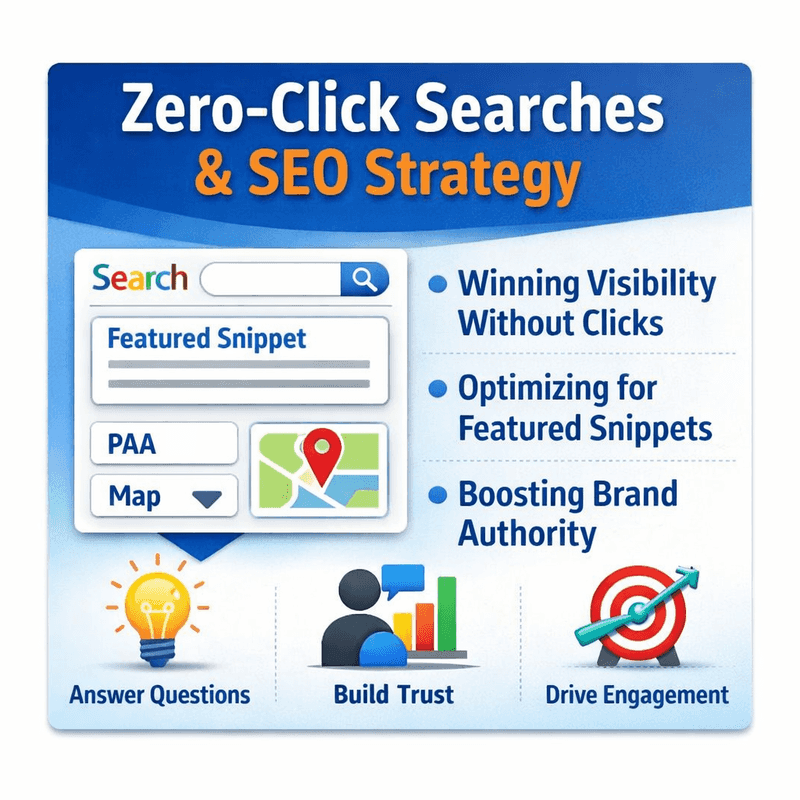
AI search breaks all three assumptions.
A page can:
- Rank #6
- Get zero clicks
- Be cited repeatedly
Traditional rank tracking would mark this as a failure.
In reality, the brand is shaping understanding before the click ever exists.
SEO platforms like Ranktracker increasingly focus on visibility, SERP features, and brand presence because rankings alone no longer capture influence.
How to Measure AI Citation Success
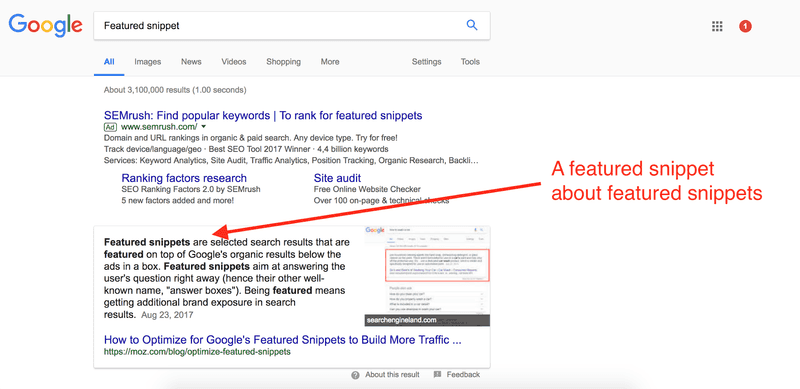
AI citation success doesn’t show up cleanly in analytics.
Better indicators include:
- Increased branded searches
- Repeated inclusion in AI Overviews
- Stable visibility across topic queries
- Improved conversion efficiency per visit
- Brand recall during sales conversations
These are trust metrics, not traffic metrics.
What Doesn’t Work for AI Citations
The fastest ways to be excluded from AI citations include:
- Keyword-stuffed explanations
- Overly long intros
- Sales-first content
- Inconsistent definitions
- Thin pages designed only to rank
If your content feels optimized for Google, AI is less likely to reuse it.
The Strategic Shift SEOs Must Make
Old SEO question: “How do we rank higher?”
New SEO question: “How do we become the source AI trusts?”
The All-in-One Platform for Effective SEO
Behind every successful business is a strong SEO campaign. But with countless optimization tools and techniques out there to choose from, it can be hard to know where to start. Well, fear no more, cause I've got just the thing to help. Presenting the Ranktracker all-in-one platform for effective SEO
We have finally opened registration to Ranktracker absolutely free!
Create a free accountOr Sign in using your credentials
That requires:
- Clear explanations
- Topical consistency
- Brand recognition
- Editorial restraint
AI citations are not earned through tricks. They are earned through predictability and clarity.
Final Takeaway
Blue-link rankings are no longer the final destination.
In an AI-driven search world:
- Rankings enable eligibility
- Citations deliver influence
- Trust compounds visibility
The brands that win won’t just rank.
They’ll be:
- Quoted
- Referenced
- Summarized
- Remembered
If your SEO strategy still stops at blue links, you’re optimizing for yesterday’s search.
The future belongs to citation-first SEO.