Intro
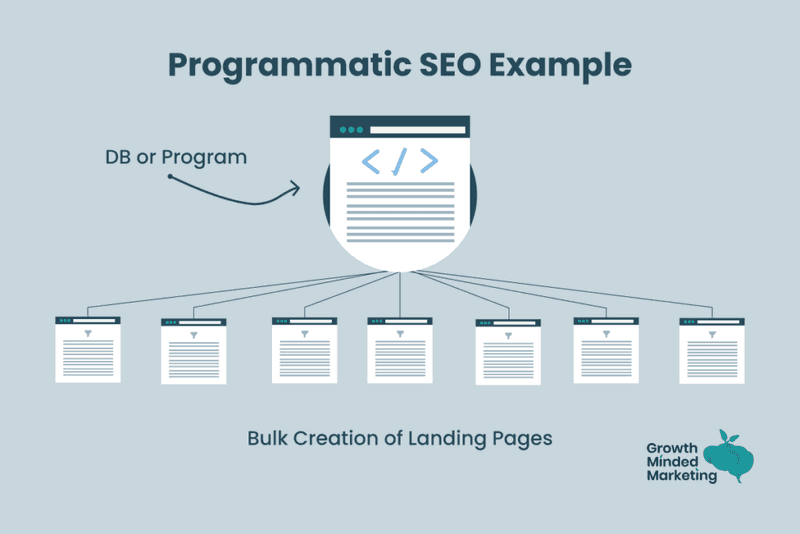
Programmatic SEO used to feel like a cheat code.
Build a template, connect a dataset, generate thousands of pages, rank for long-tail queries at scale. For years, it worked — sometimes too well.
In 2026, programmatic SEO hasn’t died. But it has been forcibly professionalized.
Search engines now distinguish clearly between:
- Scaled content that adds structured value
- Scaled content that exists purely to capture traffic
One compounds authority. The other gets quietly removed from the index.
This article breaks down what still works, what gets deindexed, and how programmatic SEO must evolve to survive AI-driven search.
Programmatic SEO Isn’t the Problem — Thin Automation Is
Programmatic SEO itself isn’t penalized.
The All-in-One Platform for Effective SEO
Behind every successful business is a strong SEO campaign. But with countless optimization tools and techniques out there to choose from, it can be hard to know where to start. Well, fear no more, cause I've got just the thing to help. Presenting the Ranktracker all-in-one platform for effective SEO
We have finally opened registration to Ranktracker absolutely free!
Create a free accountOr Sign in using your credentials
What search engines are filtering out is low-value scale:
- Pages with no unique insight
- Pages that differ only by a keyword swap
- Pages that answer nothing better than an AI summary
- Pages with no clear user purpose
Google has become far better at detecting patterns that indicate automation without intent.
If a human wouldn’t find the page useful, neither will AI-driven indexing systems.
Why Programmatic SEO Is Under Pressure in 2026
Three major shifts have changed the risk profile.
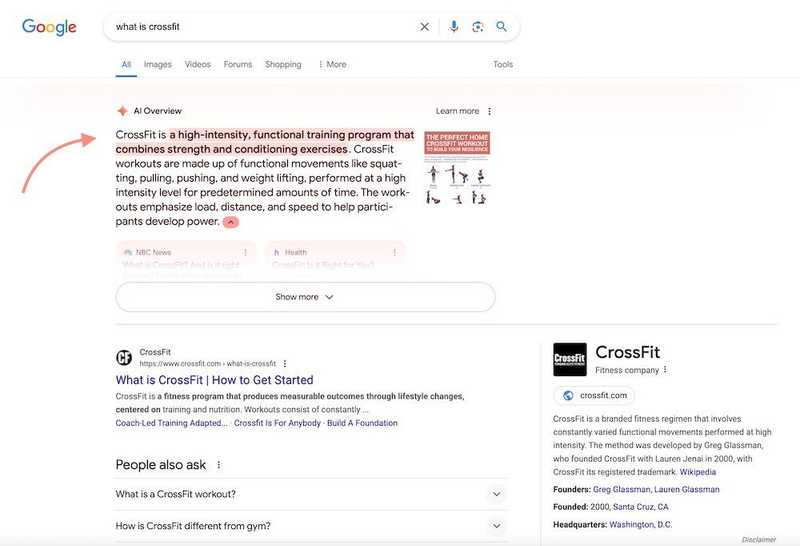
1. AI Overviews Absorb Shallow Intent
If a programmatic page answers a basic question, it’s now competing with an AI summary — and losing.
Shallow informational pages are often:
- Ignored
- Summarized without attribution
- Deindexed due to redundancy
2. Indexing Is Selective, Not Guaranteed
Being crawled no longer means being indexed.
Large sites increasingly see:
- Partial indexing
- Slower discovery
- Silent pruning of low-engagement URLs
Programmatic sites that don’t prove value page by page lose coverage over time.
3. Site-Wide Trust Is Applied at Scale
Search engines evaluate patterns:
- Template quality
- Content depth consistency
- Internal linking logic
- User interaction signals
Weak pages dilute strong ones.
At scale, quality debt compounds fast.
What Still Works in Programmatic SEO
Programmatic SEO absolutely still works — when it’s data-led, intent-matched, and structurally differentiated.
1. Data That Users Can’t Get Elsewhere
The strongest programmatic sites are built on proprietary or structured datasets, not scraped summaries.
The All-in-One Platform for Effective SEO
Behind every successful business is a strong SEO campaign. But with countless optimization tools and techniques out there to choose from, it can be hard to know where to start. Well, fear no more, cause I've got just the thing to help. Presenting the Ranktracker all-in-one platform for effective SEO
We have finally opened registration to Ranktracker absolutely free!
Create a free accountOr Sign in using your credentials
Examples:
- Pricing comparisons
- Location-based availability
- Market-specific metrics
- Feature matrices
- Trend-based outputs
If your dataset creates insight, AI and search engines need you.
2. Pages That Solve Specific Problems
Pages that answer:
- “Which option is best for X?”
- “What applies in my location?”
- “How does this differ in my case?”
…still perform extremely well.
These pages work because:
- Intent is narrow
- Personalization matters
- Context cannot be generalized
AI summaries struggle here.
3. Strong Template Variation (Not Just Token Swaps)
Winning programmatic templates now include:
- Conditional logic
- Dynamic sections
- Contextual explanations
- Variable formatting
If 1,000 pages look identical except for one word, they’re disposable.
If they adapt meaningfully based on inputs, they’re defensible.
4. Deep Internal Linking by Topic
Programmatic pages must sit inside topical ecosystems.
This means:
- Clear hub pages
- Semantic internal links
- Logical URL hierarchies
SEO platforms like Ranktracker emphasize topic-level visibility and coverage because isolated pages — even at scale — no longer hold long-term value.
What Gets Deindexed (Quietly)
Most deindexing in 2026 is silent. No penalty. No warning.
Just disappearance.
The most common triggers include:
1. Near-Duplicate Pages at Scale
If:
- Pages share the same structure
- Content differs only by location, product, or keyword
- No additional insight is added
…expect progressive index loss.
2. Pages With No Engagement Signals
Pages that:
- Don’t get clicks
- Don’t earn internal links
- Don’t contribute to conversions
…are treated as expendable.
At scale, these pages become crawl waste.
3. Programmatic Pages With No Brand Authority
Unknown domains publishing thousands of pages face much higher scrutiny.
Without:
- Brand trust
- External references
- Consistent topical coverage
…scale becomes a liability instead of an advantage.
4. AI-Generated Pages Without Oversight
Mass AI generation without human logic fails because:
- Tone is generic
- Terminology drifts
- Explanations lack confidence
Search engines now recognize these patterns quickly.
The New Programmatic SEO Model for 2026
The winning model looks very different from 2020-era automation.
It focuses on:
- Fewer pages, higher value
- Stronger templates, not more URLs
- Data-driven insights
- Topic ownership over keyword flooding
In short: quality at scale, not scale at any cost.
Measurement: What to Watch Closely
Programmatic SEO teams should monitor:
- Index coverage trends
- URL groups losing impressions
- Topic-level visibility
- Pages referenced in SERP features or AI summaries
- Assisted conversion paths
Traffic alone is a lagging indicator.
The All-in-One Platform for Effective SEO
Behind every successful business is a strong SEO campaign. But with countless optimization tools and techniques out there to choose from, it can be hard to know where to start. Well, fear no more, cause I've got just the thing to help. Presenting the Ranktracker all-in-one platform for effective SEO
We have finally opened registration to Ranktracker absolutely free!
Create a free accountOr Sign in using your credentials
Index stability is the early warning system.
Final Reality Check
Programmatic SEO in 2026 isn’t dead — but lazy programmatic SEO is.
If your pages:
- Exist only to rank
- Can be summarized instantly
- Add no original value
…they won’t survive long.
The sites that win are those that treat automation as a delivery system for insight, not a shortcut around it.
Scale still works — but only when it scales something worth keeping.