
Intro
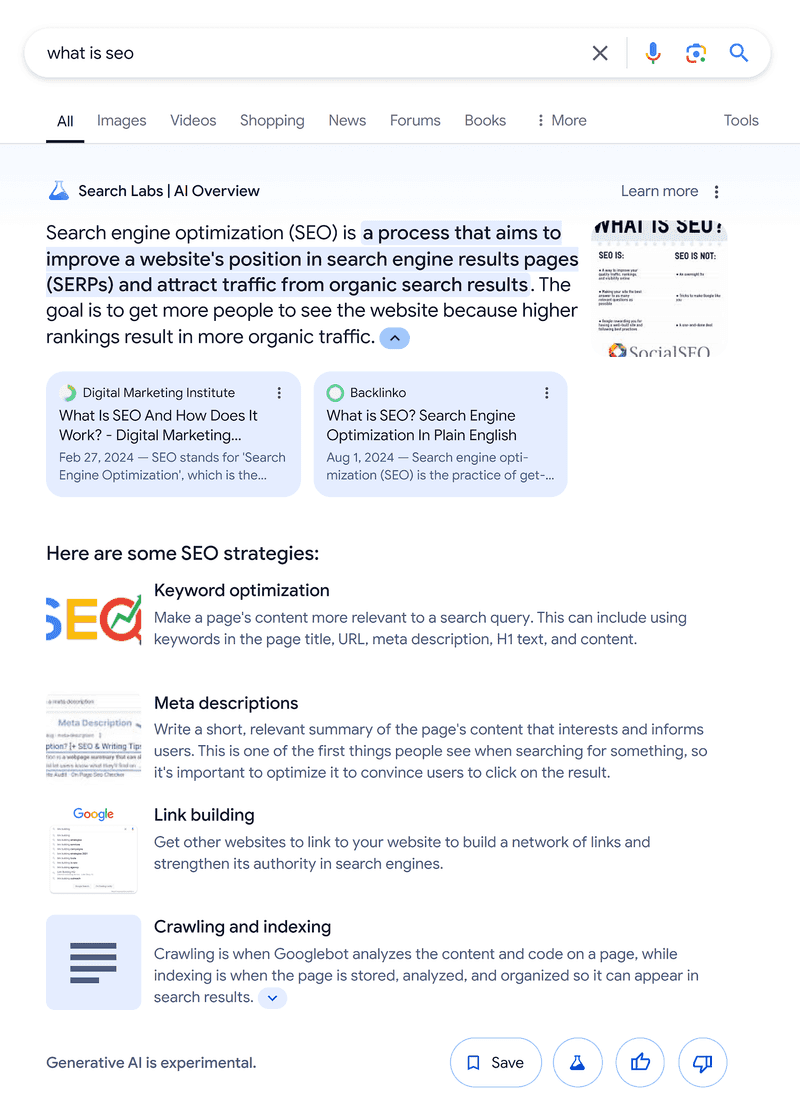
Search has entered a new phase. Rankings still matter, but visibility no longer guarantees clicks. With AI Overviews appearing at the top of results, users increasingly get answers without visiting a website at all. For businesses, publishers, and SEO teams, this feels like a breaking point — traffic drops even when positions hold.
But this isn’t the end of SEO. It’s a structural shift. The goal is no longer just ranking first, but being present where answers are generated, summarized, and trusted. This article breaks down what AI Overviews change, why clicks are declining, and how to adapt SEO strategy so visibility still translates into real business value.
What AI Overviews Actually Change
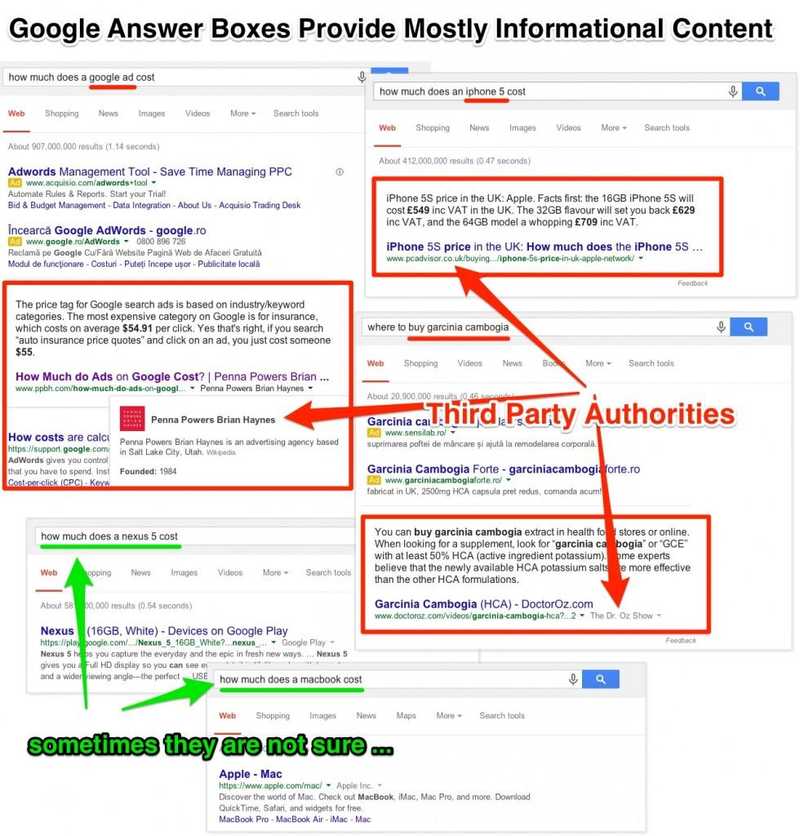
AI Overviews are not just another SERP feature like featured snippets. They fundamentally alter the user journey.
Instead of: Query → list of links → click → answer
We now often see: Query → AI-generated summary → optional click
The All-in-One Platform for Effective SEO
Behind every successful business is a strong SEO campaign. But with countless optimization tools and techniques out there to choose from, it can be hard to know where to start. Well, fear no more, cause I've got just the thing to help. Presenting the Ranktracker all-in-one platform for effective SEO
We have finally opened registration to Ranktracker absolutely free!
Create a free accountOr Sign in using your credentials
These summaries pull from multiple sources, synthesize information, and often satisfy intent immediately. From an SEO perspective, that means:
- Fewer organic clicks, especially for informational queries
- Increased zero-click searches
- Less correlation between ranking position and traffic
- More importance placed on being cited, not just ranked
This is driven largely by how Google is integrating generative AI directly into its search experience, influenced by competition from tools like ChatGPT and Perplexity.
The uncomfortable truth: even perfect SEO execution won’t restore old CTRs. The opportunity now lies elsewhere.
Why Clicks Are Declining (Even If Rankings Aren’t)
Many site owners are seeing a strange pattern: impressions are stable or even rising, rankings are solid, but traffic is falling. This is not a tracking bug — it’s behavioral.
AI Overviews absorb intent. For queries like:
- “What is programmatic SEO?”
- “How does local SEO work?”
- “Best on-page SEO practices”
The AI summary often answers 70–90% of what the user wants. The remaining clicks go to deeper, more specific follow-ups.
This creates a split:
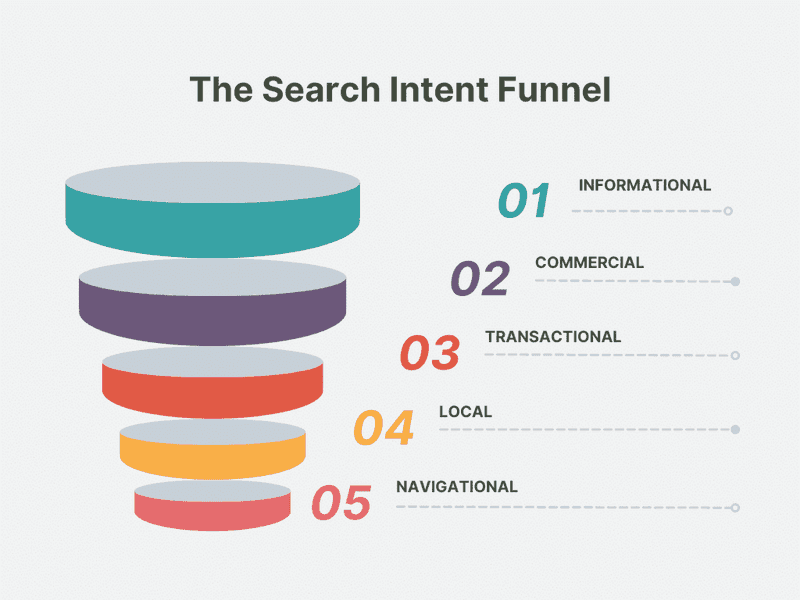
- Top-of-funnel informational content loses clicks
- Mid- and bottom-funnel content becomes more valuable
SEO is shifting from volume-driven discovery to trust-driven reinforcement.
Visibility Is No Longer Binary
In the traditional model, you were either visible (ranking) or invisible. AI Overviews introduce a third state:
- Ranked but unseen
- Cited but unclicked
- Clicked but later in the journey
Being referenced inside an AI Overview still has value, even without a click:
- Brand exposure
- Implicit authority
- Increased likelihood of being chosen in follow-up searches
- Influence on user trust and recall
This means SEO measurement has to evolve. Traffic alone is no longer a sufficient success metric.
How to Optimize for AI Overviews (Without Chasing Them Blindly)
You cannot “optimize for AI Overviews” the same way you optimized for featured snippets. There is no toggle, no schema trick, no guaranteed markup.
The All-in-One Platform for Effective SEO
Behind every successful business is a strong SEO campaign. But with countless optimization tools and techniques out there to choose from, it can be hard to know where to start. Well, fear no more, cause I've got just the thing to help. Presenting the Ranktracker all-in-one platform for effective SEO
We have finally opened registration to Ranktracker absolutely free!
Create a free accountOr Sign in using your credentials
What does work is structural authority.
1. Write for Synthesis, Not Just Ranking
AI Overviews prefer content that is:
- Clear
- Structured
- Factually consistent
- Easy to summarize
This means:
- Concise explanations
- Clear definitions early
- Logical sectioning
- Minimal fluff
Pages that ramble, over-optimize keywords, or bury answers under intros are less likely to be used.
2. Build Topical Depth, Not Isolated Pages
AI systems don’t just evaluate a page — they evaluate sites. A single strong article is less persuasive than a cluster of consistent coverage.
For example:
- Core topic page: “AI SEO”
- Supporting pages: “AI keyword research,” “AI-generated content risks,” “AI search visibility metrics”
This reinforces topical authority and increases the chance that your site is repeatedly referenced.
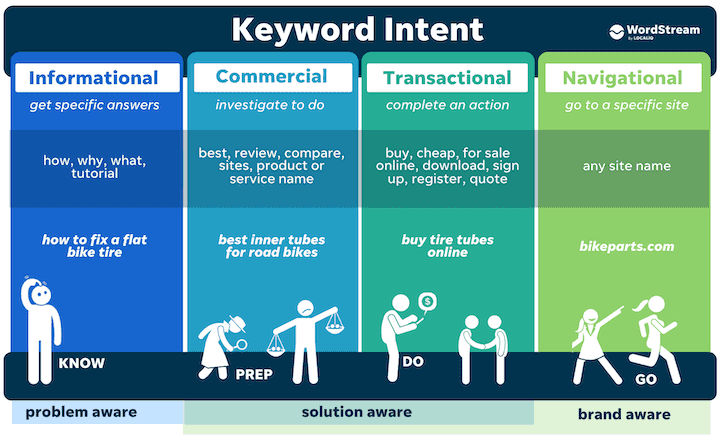
3. Align Content With Follow-Up Intent
AI Overviews answer the first question. Users then ask:
- “Is this reliable?”
- “How do I apply this?”
- “Which tool should I use?”
- “What’s the best option for my case?”
Content that targets:
- Comparisons
- Use cases
- Implementation guides
- Tool-specific workflows
…captures traffic after the AI summary.
This is where modern SEO wins.
Why Brand Mentions Matter More Than Ever
AI models heavily weight brands that appear consistently across:
- Authoritative content
- Expert commentary
- Industry tools
- Trusted publications
Unlinked mentions, citations, and consistent brand presence now influence visibility almost as much as backlinks.
This is why SEO platforms like Ranktracker emphasize not only rankings and keywords, but also search visibility, SERP features, and brand presence across AI-driven results.
If your brand is unknown, the AI is less likely to trust you. If your brand appears repeatedly in relevant contexts, visibility compounds.
Measurement: What to Track When Traffic Lies
Traditional KPIs need adjustment. Instead of focusing solely on sessions, modern SEO should track:
- Impressions vs clicks by query type
- SERP feature presence (AI Overviews, snippets, PAA)
- Brand search growth over time
- Assisted conversions from organic
- Visibility across multiple markets and languages
This is especially critical for large sites and international brands, where AI Overviews may appear differently by region and language.
Content Formats That Still Win Clicks
Not all content suffers equally. The formats that still attract clicks include:
- Original data and statistics
- Tools, calculators, and templates
- Case studies and real-world results
- Opinionated expert analysis
- Product-led content with clear differentiation
AI can summarize common knowledge. It cannot replace firsthand experience or proprietary insight.
If your content can be easily rewritten by an AI, it probably will be.
SEO Is Becoming a Visibility Layer, Not a Traffic Channel
This is the mindset shift most teams struggle with.
The All-in-One Platform for Effective SEO
Behind every successful business is a strong SEO campaign. But with countless optimization tools and techniques out there to choose from, it can be hard to know where to start. Well, fear no more, cause I've got just the thing to help. Presenting the Ranktracker all-in-one platform for effective SEO
We have finally opened registration to Ranktracker absolutely free!
Create a free accountOr Sign in using your credentials
SEO is no longer just about: “How many visits did this page get?”
It’s about:
- Where does our brand appear?
- Are we shaping the narrative?
- Are we trusted enough to be referenced?
- Do users come back when intent deepens?
In that sense, SEO is converging with PR, brand, and product marketing.
AI Overviews didn’t kill SEO. They exposed shallow strategies.
The winners will be the brands that treat SEO as a long-term authority system — not a short-term traffic hack — and adapt measurement, content, and expectations accordingly.

