Intro
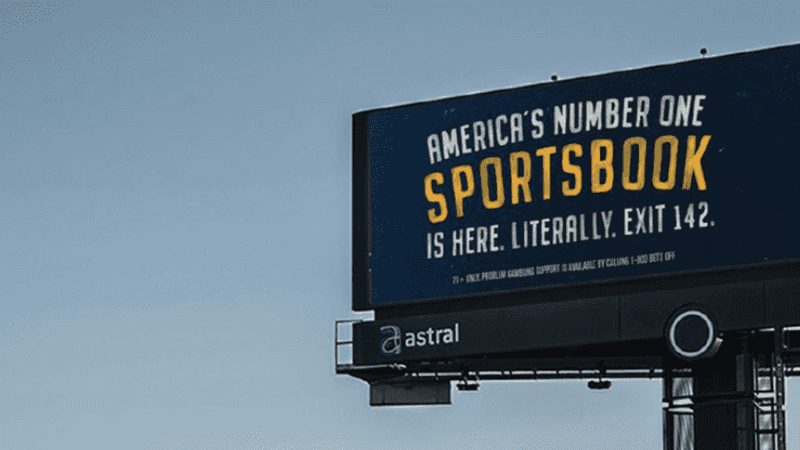
The US sports betting business is huge and has seen rapid growth since 2019. Multibillion dollars annually huge, with growth rates hitting 10% and revenues of $14 billion in 2025. Meanwhile, the global market for sports betting is worth well over $100 billion by most estimates. A significant amount of revenue, though, is often spent on marketing. The top half a dozen operators in the US consistently put a billion dollars a year into marketing between them. However, things have changed a lot in the past five years.
The five sportsbook marketing strategies that still work in 2026 can be broken down into:
- Integrated multi-channel marketing
- Bonuses and promotional incentives
- Content marketing and short-form media
- Data-driven personalization
- Retention and loyalty-based marketing
Each of these strategies has evolved significantly in recent years, shifting away from aggressive acquisition toward sustainable long-term player value.
With the sector maturing, growth slowing down slightly and fewer states looking to open new regulated markets, the general view of sportsbook marketing has shifted considerably. Where customer acquisition, even with considerable costs, was once the primary goal, many sportsbook operators are now pivoting towards retention as their main focus. This piece will take an in-depth look at what marketing strategies work right now for sportsbooks, and where the trends might be going in the future.
Integrated Multi-Channel Strategies are Still a Must
No single channel dominates sportsbook marketing, although digital and mobile media are a priority. Paid ads, billboards and event advertising, affiliates, SEO, social media and influencers, brand partnerships, email lists and AI all contribute to a modern marketing mix.
However, sportsbooks must be aware of consistency across platforms in not just image, but tone and messaging. Consistent multi-channel marketing increases conversion rates, and that is proven across multiple studies.
A successful multi-channel marketing strategy can also be useful in cross-promotion of services. Many large US sportsbooks have integrated online casino services, in states where it is regulated, as well as things like fantasy sports or online poker.
The All-in-One Platform for Effective SEO
Behind every successful business is a strong SEO campaign. But with countless optimization tools and techniques out there to choose from, it can be hard to know where to start. Well, fear no more, cause I've got just the thing to help. Presenting the Ranktracker all-in-one platform for effective SEO
We have finally opened registration to Ranktracker absolutely free!
Create a free accountOr Sign in using your credentials
Cross-selling can increase the lifetime value of a player acquisition significantly. It also increases engagement across business verticals without relying on new customers coming in. This is especially important to US sportsbooks now looking to convert huge growth into long-term profitability.
Across all channels, though, especially for licensed sportsbooks, advertising restrictions imposed by regulators are a key concern. On the flipside, the adults-only gambling market means marketing teams are allowed to take more creative risks with content and ads.
Bonuses and Promotions are Still the Entry Point for Many
Bonus offers like deposit matches, free bets or odds boosts are a staple of online casino marketing. They have been for decades, and they aren't going anywhere. However, they are changing across the world and in the US in particular.
To get an updated overview of all the offers on the market, players often look to third-party lists of sportsbook promos aggregated by betting and industry experts. These review sites allow players to easily compare bonuses and rewards across dozens of sites at once. As well as other factors like payment speeds, customer support and selection of sports markets, so they can make the most efficient choice for their requirements.
Many of these comparisons are made possible through platforms that track and update sportsbook promos in real time. Resources like SportsbookReview.com have become key discovery channels, offering regularly updated lists of sportsbook promos alongside breakdowns of wagering requirements and eligibility conditions.
For bettors, these hubs simplify decision-making. For operators, they remain one of the most efficient acquisition channels outside of paid media.
Most sportsbooks will look to get their bonus offers on the radar of at least some of these trusted review sites as a priority.
The All-in-One Platform for Effective SEO
Behind every successful business is a strong SEO campaign. But with countless optimization tools and techniques out there to choose from, it can be hard to know where to start. Well, fear no more, cause I've got just the thing to help. Presenting the Ranktracker all-in-one platform for effective SEO
We have finally opened registration to Ranktracker absolutely free!
Create a free accountOr Sign in using your credentials
That's because of stats like this - 46% of bettors in a large British study said they used a new sportsbook they hadn't used before because of a bonus offer. Interestingly, one big study of more than 1000 bettors in Australia found that the average player actually prefers lower monetary value promotions as they perceive them to be less risky.
However, sportsbooks do not offer bonuses without risk to themselves. Very few other businesses pay back as much money to customers as sportsbooks do. This makes margins tight, especially for smaller operators.
In the US, several major sportsbooks have at times gone overboard on the bonus offers in pursuit of increased market share and revenue growth. Although the biggest sportsbooks are able to swallow the cost of a bonus odds boost bet coming through massively for bettors after an upset result, for example, smaller operators often don't have the revenue scale.
Several big media brands like FOX, Sports Illustrated and ESPN have had failed sportsbook brands in recent years - despite offering big money headline bonuses that cost them profitability in opening months.
Case Study: ESPN Bet offered massive promotions, particularly during its opening weeks in 2023, leading to record-breaking downloads for a sportsbook app. But customer retention was poor after the initial bonus, and many players left without returning the value given to them by the offers. By 2025 it had closed down, after consistently achieving just 5% market share.
Tight margins. Slowing growth opportunities. Competition from prediction markets. Although they remain an important part of marketing, those are the reasons why sportsbook bonus offers have noticeably trended downwards in value in the past couple of years.
Prediction markets like Kalshi are also beginning to reshape the competitive landscape. Unlike traditional sportsbooks, these platforms allow users to trade on real-world outcomes — including economic indicators, political events and even sports-related markets in some cases.
This creates a new category of competition that blends finance and betting, attracting a different type of user and forcing sportsbooks to rethink how they position risk, pricing and engagement.
Content Marketing and Short Form Media are the New Standard for Brand Awareness
As part of a strong omnichannel marketing operation in 2026 that really works, a top sportsbook will be investing in media production. As well as paid ads, both digital and at sporting events, sportsbooks increasingly make their own in-house or agency-led digital content for social media platforms.
YouTube, TikTok and Instagram all encourage snappy, short-form and targeted content that is perfect for betting platforms to build organic reach. Podcasts and longer YouTube videos can easily be clipped for short-form optimisation, making the most value from time spent in production.
By making betting insights part of the online sporting conversation, rather than just advertising, marketers can create content that feels like entertainment as much as promotion.
Content marketing is known to generate multiple times more leads, on average, than paid ads. However, it is often costlier and more time-consuming to create - especially if you want it to feel authentic and not just ad copy turned into a YouTube short.
Other online content includes sponsored blog posts on trusted media sites and partnered content with sports teams. Most major US sports teams and leagues have at least one betting sponsor or partner, and in some states that partnership is baked into the market regulation.
Content marketing can also create envelope-pushing or controversial clips, that have the potential to go viral and boost brand awareness considerably.
This can go wrong when not toned carefully, leading to public backlash or regulatory fines in the most extreme cases, but if you're of a mind that all publicity is good publicity, the juice could be worth the squeeze.
Data-Driven Personalisation Beats Broad Marketing
All of the above marketing strategies - bonuses, digital media, content marketing - can today be highly tailored and personalized to individuals over broad audiences.
Sportsbooks especially have vast amounts of customer behavioural data. They can and do use this to segment bettors into buckets of betting habits, favorite sports and teams and engagement patterns.
For example, there's no point in constantly sending NBA betting promos to a player that only ever bets on the NFL. Beyond that, this information can also be applied in real time.
Operators can deliver offers at exactly the moment a player would be most interested, such as a custom odds boost when a bettor's favorite team is just about kick off. These micro-timed and personalized offers have been shown by studies to increase conversion by up to 40% in some cases.
According to industry data, 80% of US sportsbooks are now regularly using AI tools to analyze customer behavior for segmentation and promotional targeting.
Meanwhile, data-driven advertising on the wider market is very important for sportsbooks. In many states, they can be heavily fined for advertising to those under the legal gambling age on social media, as it is now commonplace to filter such advertising targets by age, gender and other attributes.
According to McKinsey research on personalization in digital industries, companies that effectively leverage customer data can increase revenue by 10–30% while improving customer retention rates significantly. In a high-frequency engagement market like sports betting, these gains can be even more pronounced.
Retention Marketing and Loyalty Rewards Keep Customers, Once Engaged
In the US sports betting market of 2026, the big operators are no longer concentrating foremost on gaining customers and market share. With a focus on proving long-term profitability for investors, marketing is becoming just as much about keeping existing customers happier and engaged for longer as it is about getting new customers.
Major operators like FanDuel, DraftKings and BetMGM have already shifted heavily toward retention-first strategies. Instead of competing purely on acquisition bonuses, these platforms now invest in ecosystem-based engagement — combining sportsbook, casino, fantasy sports and media content into a single user journey.
This approach reduces churn and increases lifetime value, particularly in saturated markets where acquiring new users is significantly more expensive than retaining existing ones.
Acquiring new customers is expensive. For a company like FanDuel, with 44% market share in the US, chasing more than that is not the top priority given market conditions. Sportsbooks have instead increasingly focused on things like customer relationship management (CRM) systems, loyalty programs and retention marketing strategies.
With most betting now done through mobile devices, things like push notifications can be triggered by behavioural and event-based signals. For example, reduced activity for a period of days or weeks, or the return of the scheduled top league season in a particular sport.
In relation to bonuses, retention marketing has to balance the efficacy with not annoying the customer by being too frequent. The same British study referenced earlier also found that more than 50% of players thought they saw too much gambling marketing and in some cases, this put them off a particular operator.
The All-in-One Platform for Effective SEO
Behind every successful business is a strong SEO campaign. But with countless optimization tools and techniques out there to choose from, it can be hard to know where to start. Well, fear no more, cause I've got just the thing to help. Presenting the Ranktracker all-in-one platform for effective SEO
We have finally opened registration to Ranktracker absolutely free!
Create a free accountOr Sign in using your credentials
CRM strategies can offset this by understanding when and where a customer uses bonuses and offers, rather than aimlessly spamming them.
This illustrates the major way in which sportsbook bonus marketing has changed for 2026. Bonuses are still important, but relying solely on headline $1000 deposit match free bet offers advertised on one platform is no longer the way forward. Deep data analytics, tailored offers and multi-channel marketing are the preferred avenues for sportsbooks in the US and will continue to be for the near future at least.
Key Takeaways
- Multi-channel consistency drives higher conversion rates
- Bonuses still attract users, but must be used strategically
- Short-form content is now essential for organic reach
- Personalization significantly improves engagement and retention
- Loyalty and CRM systems are now core to profitability
Conclusion
Sportsbook marketing in 2026 is no longer about who can spend the most on bonuses or outbid competitors in paid ads. The industry has matured, and with that maturity comes a shift toward efficiency, personalization and long-term value creation.
Operators that succeed are those that integrate multiple channels, leverage data intelligently and build lasting relationships with their users. At the same time, emerging competition from prediction markets and evolving regulation means that adaptability is just as important as scale.
The fundamentals of sportsbook marketing still work — but only for those willing to evolve how they apply them.