
Intro
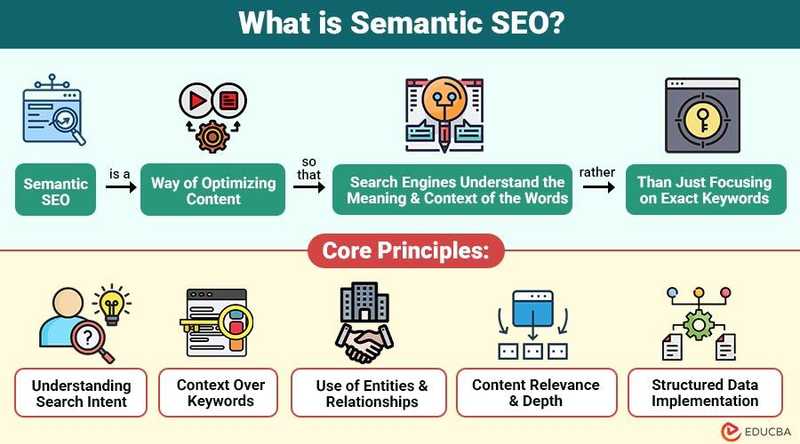
Search engines no longer just rank content. They read it, interpret it, summarize it, and reuse it.
AI Overviews, answer engines, and conversational search tools now decide which parts of the web become source material. If your content can’t be clearly understood, it won’t be cited — no matter how well it ranks.
This has created a new requirement for SEO: structural clarity.
The best-performing content in modern search isn’t just well-written. It’s engineered so AI systems can easily extract meaning without misinterpreting it.
This article explains exactly how to structure content so AI can understand it, summarize it accurately, and reuse it safely — without sacrificing rankings or depth.
Why Structure Matters More Than Ever
AI systems don’t read like humans.
The All-in-One Platform for Effective SEO
Behind every successful business is a strong SEO campaign. But with countless optimization tools and techniques out there to choose from, it can be hard to know where to start. Well, fear no more, cause I've got just the thing to help. Presenting the Ranktracker all-in-one platform for effective SEO
We have finally opened registration to Ranktracker absolutely free!
Create a free accountOr Sign in using your credentials
They don’t appreciate storytelling arcs, clever suspense, or creative detours. They look for:
- Clear definitions
- Logical relationships
- Consistent terminology
- Explicit answers
If meaning is buried, implied, or spread across multiple sections, AI will either:
- Ignore the content
- Misrepresent it
- Prefer a clearer competitor
This is especially true for AI-driven systems from Google, as well as answer engines like ChatGPT and Perplexity.
Structure is now a ranking and citation factor.
Think in Layers, Not Length
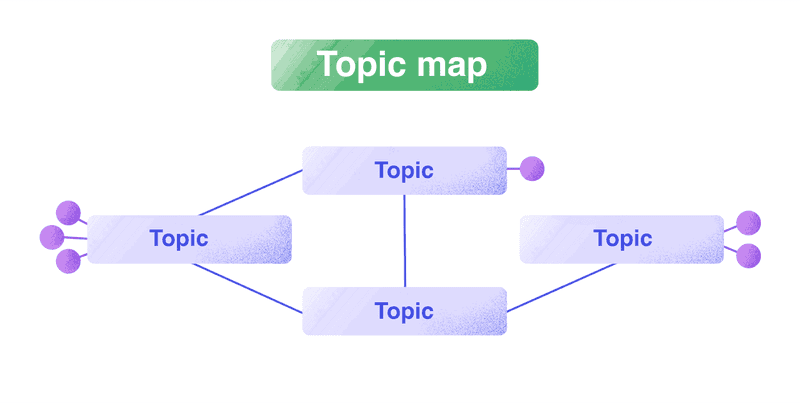
The biggest mistake publishers make is assuming AI prefers short content.
It doesn’t.
AI prefers layered content — where meaning is immediately accessible, but depth still exists.
Layer 1: The Direct Answer
Every major section should begin with a clear, self-contained answer.
This means:
- One to three short paragraphs
- Plain, factual language
- No setup or storytelling
- No references to later sections
If this paragraph were extracted alone, it should still make sense.
The All-in-One Platform for Effective SEO
Behind every successful business is a strong SEO campaign. But with countless optimization tools and techniques out there to choose from, it can be hard to know where to start. Well, fear no more, cause I've got just the thing to help. Presenting the Ranktracker all-in-one platform for effective SEO
We have finally opened registration to Ranktracker absolutely free!
Create a free accountOr Sign in using your credentials
This is the layer AI is most likely to summarize or reuse.
Layer 2: Explanation and Context
Immediately after the direct answer, expand:
- Why it matters
- How it works
- When it applies
- What it affects
This supports:
- Traditional SEO rankings
- User understanding
- Trust and depth
Layer 3: Application and Differentiation
Further down the page, include:
- Examples
- Use cases
- Comparisons
- Tools
- Case studies
This is where clicks, conversions, and engagement still happen.
AI summarizes Layer 1. Humans convert in Layer 3.
Use Headings That State Answers, Not Themes
Headings are not decoration anymore. They are signals of intent.
Bad headings:
- “Understanding the Landscape”
- “Things to Consider”
- “Final Thoughts”
Good headings:
- “What Is Programmatic SEO?”
- “How AI Overviews Affect Click-Through Rate”
- “Why Brand Mentions Influence AI Citations”
AI uses headings to understand:
- What questions are being answered
- Where answers start and end
- How sections relate to each other
If your headings don’t clearly state the question being answered, AI struggles to extract meaning.
Answer Before You Explain

Traditional writing often builds up to an answer.
AI prefers the opposite.
Always:
- State the answer
- Then explain it
This improves:
- AI extractability
- Featured snippet eligibility
- User satisfaction
- Content reuse accuracy
If the answer is delayed, AI may skip the page entirely.
Maintain Terminology Discipline
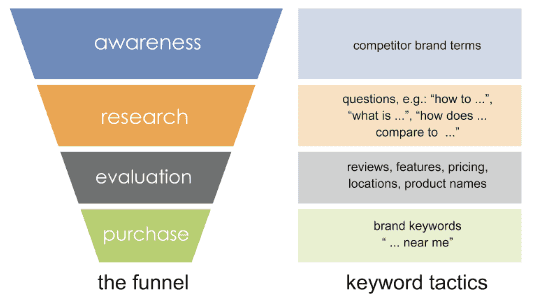
AI systems rely heavily on semantic consistency.
That means:
- One primary term per concept
- One clear definition
- Minimal unnecessary synonyms
Humans enjoy variation. AI sees it as ambiguity.
If you alternate between:
- “AI Overviews”
- “AI summaries”
- “Generative answers”
- “Search AI responses”
…without clarifying equivalence, you weaken comprehension.
Choose one primary term and reinforce it consistently.
Write in Complete, Reusable Units
Every paragraph should be able to stand on its own.
Ask: “If this paragraph were quoted out of context, would it still be accurate?”
Avoid:
- Pronouns without clear references
- “This,” “that,” or “it” without explicit nouns
- References to previous sections without restating context
AI often extracts partial content. Self-contained clarity prevents misquotation.
Structure Lists for Precision, Not Padding
Lists are extremely AI-friendly — when done correctly.
Effective lists:
- Are short and specific
- Use parallel structure
- Avoid vague phrasing
Bad list item:
- “Various factors affect rankings”
Good list item:
- “Topical authority influences how often a site is referenced in AI Overviews”
Lists should communicate information, not fill space.
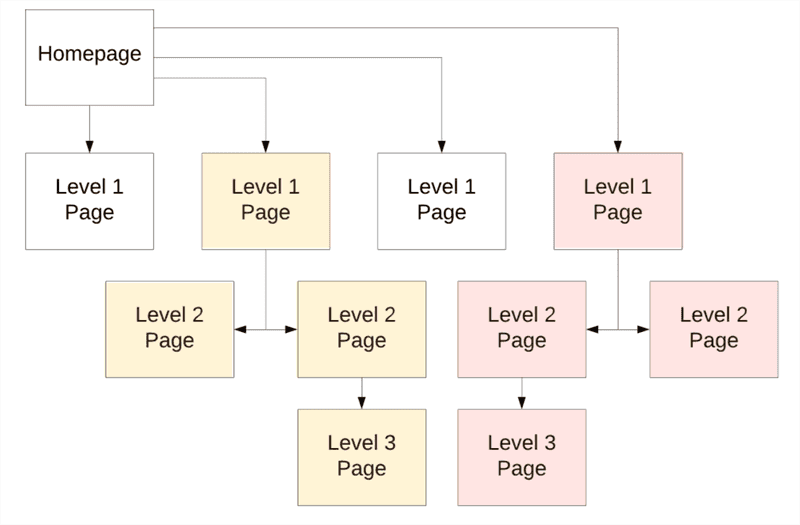
Reinforce Topic Relationships Internally
AI doesn’t just evaluate pages — it evaluates content ecosystems.
Strong internal linking:
- Reinforces topical authority
- Helps AI understand subject coverage
- Clarifies context for individual pages
Pages that exist in isolation are harder to trust and reuse.
SEO platforms like Ranktracker emphasize topic-level visibility because AI systems increasingly evaluate coverage, not just pages.
What Breaks AI Understanding
Avoid these structural mistakes:
- Long intros that delay meaning
- Mixed intents on a single page
- Vague section headers
- Overly conversational filler
- Keyword stuffing without explanation
If your content requires interpretation, AI will choose a clearer source.
Why This Structure Also Protects Rankings
Clear structure doesn’t weaken SEO — it strengthens it.
The All-in-One Platform for Effective SEO
Behind every successful business is a strong SEO campaign. But with countless optimization tools and techniques out there to choose from, it can be hard to know where to start. Well, fear no more, cause I've got just the thing to help. Presenting the Ranktracker all-in-one platform for effective SEO
We have finally opened registration to Ranktracker absolutely free!
Create a free accountOr Sign in using your credentials
Benefits include:
- Better user engagement
- Improved dwell time
- Higher snippet eligibility
- Stronger topical signals
- Increased AI citation potential
AI-friendly structure and SEO-friendly structure are no longer separate.
They are the same thing.
The New Content Standard
Modern content must be:
- Easy for AI to parse
- Safe for AI to reuse
- Useful for humans to apply
This doesn’t require rewriting everything — it requires architectural discipline.
The sites that win aren’t writing more content. They’re structuring content better.
When AI can understand your content clearly, it doesn’t just rank it — it carries it forward.

