
Intro
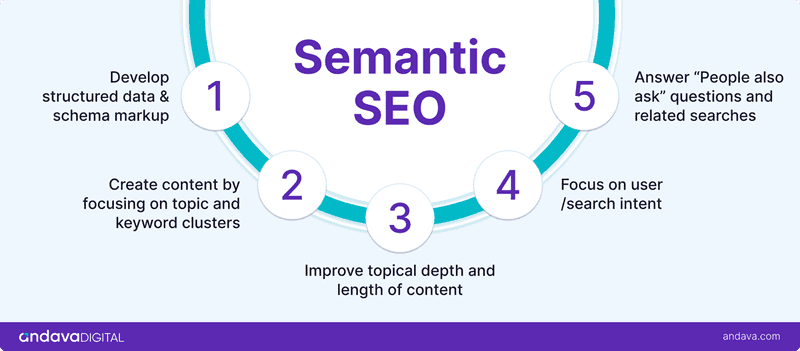
For over a decade, SEO strategies revolved around keywords. Find the term, map it to a page, optimize the content, build links, rank, repeat.
That model still works — but it’s no longer sufficient.
In 2026, search engines don’t just rank pages based on keyword relevance. They evaluate who understands a topic best. With AI-driven search, entity understanding, and answer-based results becoming the default, the real competition is no longer page vs page, but site vs site.
This is where the debate sharpens: Is keyword targeting still effective, or does topical authority win?
The answer isn’t binary — but the balance has clearly shifted.
What Keyword Targeting Actually Means Today
The All-in-One Platform for Effective SEO
Behind every successful business is a strong SEO campaign. But with countless optimization tools and techniques out there to choose from, it can be hard to know where to start. Well, fear no more, cause I've got just the thing to help. Presenting the Ranktracker all-in-one platform for effective SEO
We have finally opened registration to Ranktracker absolutely free!
Create a free accountOr Sign in using your credentials
Keyword targeting focuses on optimizing individual pages around specific queries:
- One primary keyword
- A defined search intent
- On-page optimization
- Supporting links
This approach still works well for:
- Transactional queries
- Comparison searches
- Product and service pages
- High-intent commercial keywords
If someone searches “rank tracker software pricing” or “best SEO tools for agencies,” clear keyword alignment still matters.
But keyword targeting has limits.
It treats pages as isolated assets, while modern search systems evaluate context, relationships, and consistency across an entire domain.
What Topical Authority Really Is (And Isn’t)
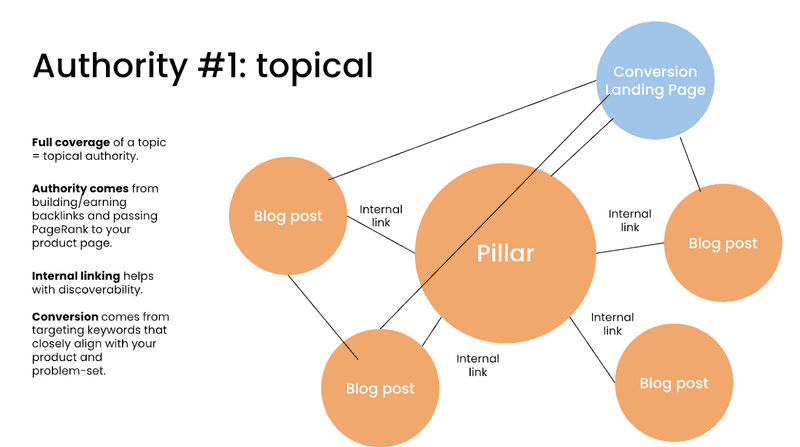
Topical authority is not about publishing lots of content randomly around a theme.
It’s about demonstrating comprehensive, consistent understanding of a subject over time.
Search engines assess:
- Depth of coverage
- Internal semantic connections
- Consistency of terminology
- Breadth of subtopics
- Historical reliability
In other words, topical authority answers the question: “Is this website a reliable source for this subject as a whole?”
The All-in-One Platform for Effective SEO
Behind every successful business is a strong SEO campaign. But with countless optimization tools and techniques out there to choose from, it can be hard to know where to start. Well, fear no more, cause I've got just the thing to help. Presenting the Ranktracker all-in-one platform for effective SEO
We have finally opened registration to Ranktracker absolutely free!
Create a free accountOr Sign in using your credentials
AI-driven systems from Google increasingly reward this signal, especially as AI Overviews and synthesized answers become more prominent.
Why Keyword-First SEO Is Losing Ground
Keyword targeting struggles in AI-led search environments for three main reasons.
1. AI Doesn’t Think in Keywords
AI models don’t retrieve content by exact-match phrases. They understand:
- Concepts
- Relationships
- Entities
- Context
If your site only addresses a topic narrowly through one optimized page, it lacks the surrounding knowledge AI systems expect.
2. Single Pages Are Easier to Replace
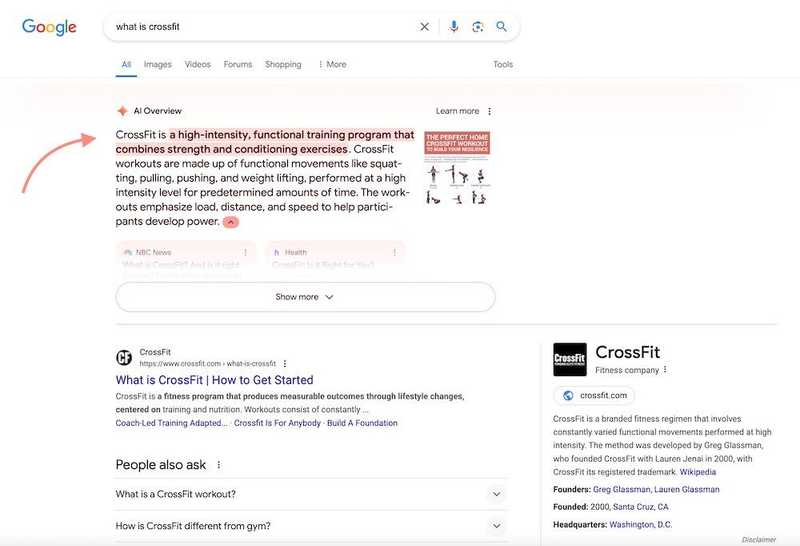
A well-written keyword page can often be summarized by an AI Overview.
A network of interconnected content, however, reinforces expertise and is harder to ignore or replace.
3. SERPs Are Fragmenting
Between AI summaries, People Also Ask, featured snippets, and knowledge panels, ranking position alone doesn’t guarantee visibility.
Sites with topical authority appear:
- More frequently across features
- In more query variations
- Earlier in the user journey
This compounds exposure even when clicks decline.
Why Topical Authority Wins in 2026
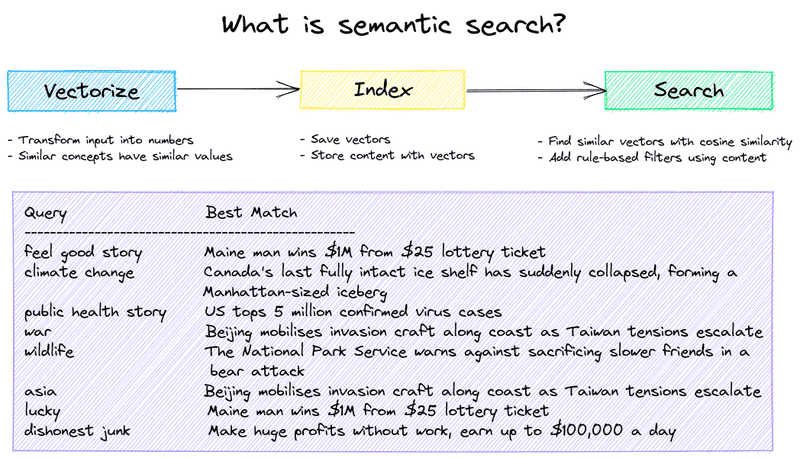
Topical authority aligns perfectly with how search is evolving.
1. It Matches AI Answer Generation
AI-generated results rely on synthesizing information from trusted, consistent sources. Domains that repeatedly cover a topic from multiple angles are more likely to be cited and referenced.
2. It Scales Across Keywords Automatically
When you own a topic, you naturally rank for:
- Long-tail variations
- Unplanned queries
- Emerging searches
- Conversational questions
You don’t need a page for every keyword — authority fills the gaps.
3. It Builds Brand-Level Trust
Authority isn’t just an algorithmic signal. Users recognize it too.
Brands that consistently explain, educate, and guide become default references — even outside traditional search.
This is why modern SEO platforms like Ranktracker emphasize topic visibility, SERP feature presence, and brand search growth, not just individual keyword positions.
Where Keyword Targeting Still Matters
Topical authority doesn’t replace keyword targeting — it reframes it.
The All-in-One Platform for Effective SEO
Behind every successful business is a strong SEO campaign. But with countless optimization tools and techniques out there to choose from, it can be hard to know where to start. Well, fear no more, cause I've got just the thing to help. Presenting the Ranktracker all-in-one platform for effective SEO
We have finally opened registration to Ranktracker absolutely free!
Create a free accountOr Sign in using your credentials
Keyword optimization still matters for:
- Core commercial pages
- High-conversion landing pages
- Product-led searches
- Competitive comparison terms
The difference in 2026 is context.
Keyword pages perform best when they sit inside a strong topical ecosystem, supported by:
- Informational content
- Use-case articles
- Definitions and explanations
- Supporting internal links
Keywords convert. Topics establish trust.
The Winning SEO Model for 2026
The most effective SEO strategies now follow a hybrid approach:
- Define core topics your brand wants to own
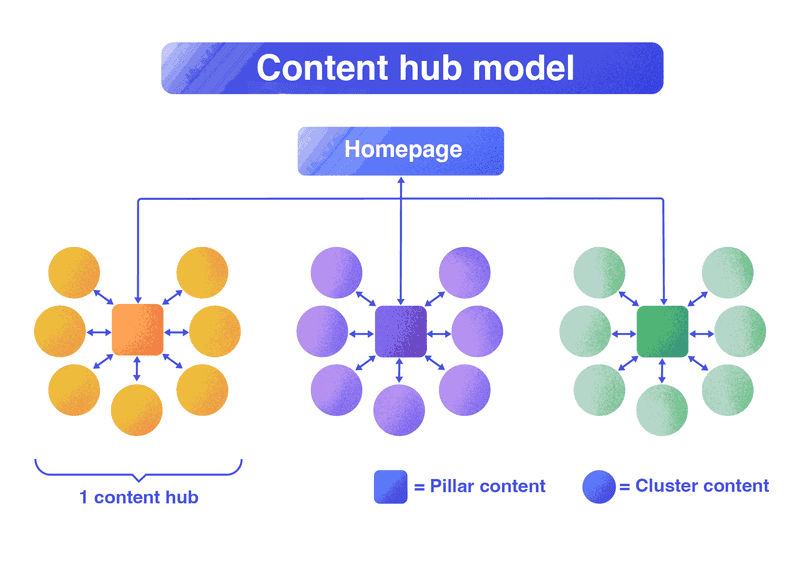
- Build depth-first content clusters around those topics
- Use keyword targeting within those clusters, not in isolation
- Strengthen internal linking to reinforce semantic relationships
- Measure visibility, not just traffic
This model aligns with how AI understands expertise and how users build trust.
Measurement: How Success Looks in 2026
If you’re still measuring success purely by traffic per keyword, you’ll miss the bigger picture.
Modern success indicators include:
- Topic-wide impression growth
- SERP feature visibility
- Brand search expansion
- Query coverage across a subject
- Assisted conversions
Topical authority creates compounding returns. Keyword targeting delivers precision. Together, they form a durable SEO strategy.
Final Verdict: What Actually Wins?
In 2026:
- Keyword targeting wins clicks
- Topical authority wins trust
- Trust wins visibility
- Visibility wins long-term growth
SEO is no longer about ranking pages. It’s about owning conversations.
Brands that think in topics instead of terms won’t just survive AI-driven search — they’ll shape it.

