
Intro
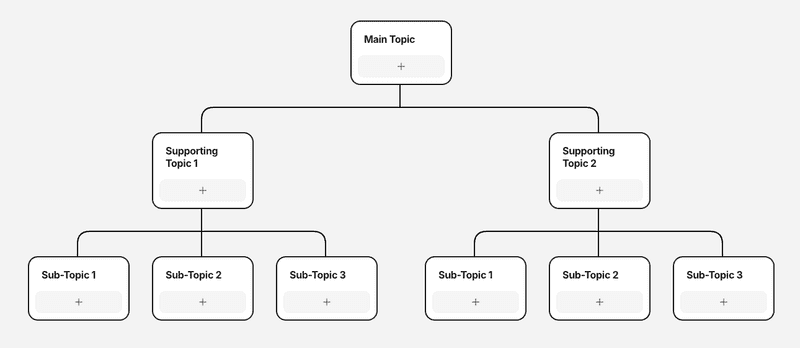
SEO authority is no longer built page by page.
In 2026, search engines evaluate how completely, consistently, and confidently you cover a topic — not how well a single URL is optimized. This is why topical maps have become one of the most powerful frameworks in modern SEO.
A topical map isn’t just a content plan. It’s a representation of how search engines expect knowledge to be structured.
When done correctly, topical maps allow sites to scale content without losing clarity, trust, or rankings — even in AI-driven search.
What Is a Topical Map?
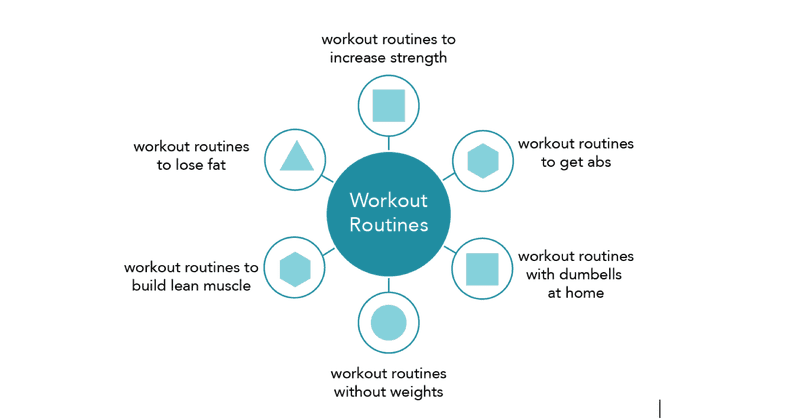
A topical map is a structured blueprint of:
- A core topic
- All related subtopics
- Supporting questions and concepts
- The relationships between them
Instead of asking: “What keywords should we target?”
The All-in-One Platform for Effective SEO
Behind every successful business is a strong SEO campaign. But with countless optimization tools and techniques out there to choose from, it can be hard to know where to start. Well, fear no more, cause I've got just the thing to help. Presenting the Ranktracker all-in-one platform for effective SEO
We have finally opened registration to Ranktracker absolutely free!
Create a free accountOr Sign in using your credentials
Topical maps ask: “What does someone need to fully understand this subject?”
Search engines increasingly rank sites that answer the entire topic, not just isolated queries.
Why Topical Maps Matter More Than Ever
AI-driven search changed how authority is measured.
Search engines now look for:
- Topic completeness
- Semantic relationships
- Consistent explanations
- Clear subject boundaries
Google evaluates whether a site appears to understand a topic holistically. One strong page is no longer enough.
Topical maps provide the structure that proves this understanding at scale.
Topical Maps vs Traditional Keyword Lists
Keyword lists are flat. Topical maps are hierarchical.
Traditional keyword research:
- Treats keywords independently
- Encourages one page per phrase
- Creates overlap and cannibalization
Topical maps:
- Group queries by intent and meaning
- Define page roles clearly
- Prevent redundancy
- Reinforce authority
This is why sites built on topical maps scale cleanly — while keyword-driven sites often collapse under their own weight.
How Search Engines Use Topical Structure
Search engines don’t just rank pages — they map knowledge.
They evaluate:
- Which pages explain fundamentals
- Which pages support deeper understanding
- How concepts connect
- Whether explanations are consistent
When a site publishes content that mirrors this structure, it becomes easier to:
- Index
- Rank
- Trust
- Reuse in AI summaries
AI systems prefer sources that already behave like organized knowledge bases.
The Core Components of a Topical Map
1. The Core Topic (Authority Hub)
This is the central subject your site wants to be known for.
The All-in-One Platform for Effective SEO
Behind every successful business is a strong SEO campaign. But with countless optimization tools and techniques out there to choose from, it can be hard to know where to start. Well, fear no more, cause I've got just the thing to help. Presenting the Ranktracker all-in-one platform for effective SEO
We have finally opened registration to Ranktracker absolutely free!
Create a free accountOr Sign in using your credentials
Examples:
- “Technical SEO”
- “Local SEO for Home Services”
- “Ecommerce SEO”
The hub page:
- Defines the topic
- Explains scope
- Links out to all major subtopics
It acts as the semantic anchor for the entire map.
2. Primary Subtopics (Pillars)
These are the major dimensions of the core topic.
For example, under “Technical SEO”:
- Crawling and indexing
- Site architecture
- Page speed
- Structured data
Each pillar:
- Deserves its own authoritative page
- Links back to the hub
- Supports multiple child topics
3. Supporting Pages (Clusters)
These pages answer:
- Specific questions
- Use cases
- Problems
- Edge cases
They:
- Link up to their pillar
- Interlink where relevant
- Add depth without overlap
Clusters are where scale happens — without dilution.
Why Topical Maps Prevent Cannibalization
Cannibalization happens when:
- Multiple pages target the same intent
- Roles are unclear
- Content overlaps unintentionally
Topical maps prevent this by:
- Assigning each page a purpose
- Defining intent boundaries upfront
- Clarifying which page is “the answer”
AI-generated content fails most often because it ignores this structure.
Topical maps restore control.
Topical Maps and AI Overviews
AI Overviews favor:
- Sites with consistent explanations
- Clear internal linking
- Stable terminology
- Recognizable topic ownership
When AI systems summarize a topic, they pull from:
- Pages that explain fundamentals
- Pages that reinforce concepts
- Pages that agree with each other
A well-built topical map increases the chance that:
- Multiple pages are cited
- The brand becomes the default source
- Visibility compounds without clicks
This is why topical authority now outperforms backlink-heavy but scattered sites.
How to Build a Topical Map (Practically)
Step 1: Define the Topic Boundary
Be specific.
Bad:
- “SEO”
Good:
- “SEO for SaaS companies”
- “Local SEO for service businesses”
Clear boundaries allow faster authority accumulation.
Step 2: Identify Core Questions
Ask:
- What must someone understand first?
- What usually confuses people?
- What decisions do users struggle with?
These questions define your pillars.
Step 3: Group Queries by Meaning, Not Words
Multiple keywords often represent the same problem.
Group them into:
- One authoritative page
- One clear answer
This reduces page count while increasing depth.
Step 4: Assign Roles to Pages
Every page should be either:
- A hub
- A pillar
- A supporting cluster
If a page doesn’t fit, it likely shouldn’t exist.
Step 5: Reinforce With Internal Linking
Internal links turn the map into a visible structure.
They:
- Clarify hierarchy
- Reinforce relationships
- Signal authority distribution
SEO platforms like Ranktracker emphasize topic coverage and internal structure because topical maps only work when relationships are explicit.
Scaling Content Without Losing Authority
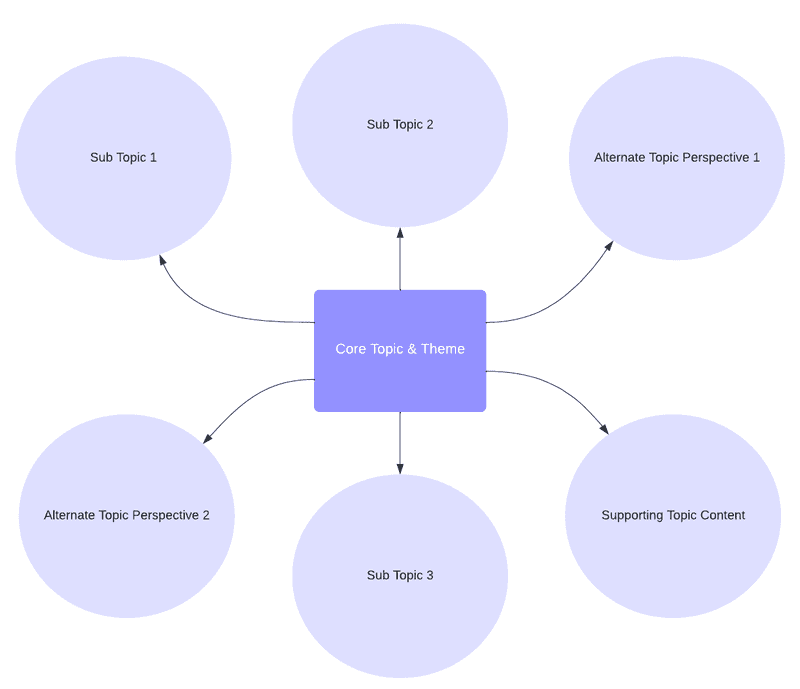
Topical maps allow scale without chaos.
Instead of asking: “What should we publish next?”
You ask: “Which part of the topic is underdeveloped?”
This keeps:
- Velocity controlled
- Quality consistent
- Authority compounding
It also makes pruning easier — pages that don’t fit the map are easy to identify and remove.
What Breaks Topical Maps
Even well-intentioned maps fail when:
- Teams publish outside defined boundaries
- New pages ignore existing structure
- AI content is added without role assignment
- Internal links are neglected
A topical map is not a document — it’s a discipline.
Measuring Success the Right Way
Topical maps don’t always produce instant traffic spikes.
They produce:
- Broader query coverage
- Ranking stability
- Faster indexing
- Increased AI citations
- Stronger brand association
The clearest signal of success is when new content ranks faster with less effort.
That’s authority compounding.
Why Topical Maps Are the Foundation of Modern SEO
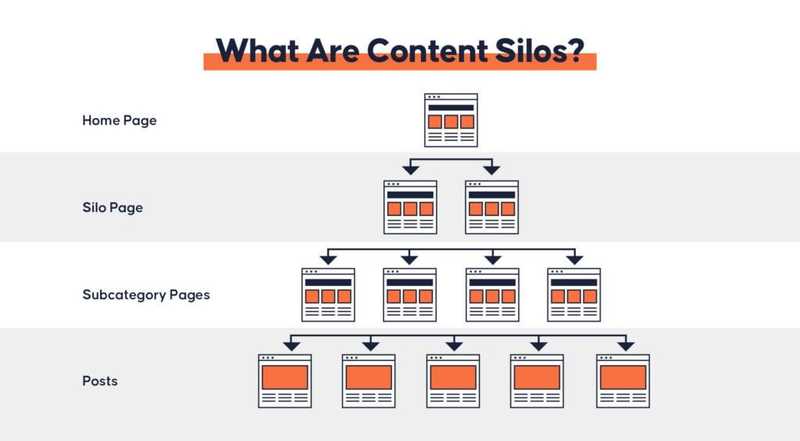
Topical maps align with:
- How humans learn
- How AI understands
- How search engines trust
They replace:
- Guesswork with structure
- Volume with coherence
- Keywords with meaning
In 2026, SEO authority is not built by publishing more.
The All-in-One Platform for Effective SEO
Behind every successful business is a strong SEO campaign. But with countless optimization tools and techniques out there to choose from, it can be hard to know where to start. Well, fear no more, cause I've got just the thing to help. Presenting the Ranktracker all-in-one platform for effective SEO
We have finally opened registration to Ranktracker absolutely free!
Create a free accountOr Sign in using your credentials
It’s built by explaining more completely.
Final Takeaway
Topical maps are no longer optional for scalable SEO.
They are:
- The safest way to grow with AI
- The best defense against cannibalization
- The fastest path to authority
- The clearest signal of expertise
If your site feels scattered, rankings are unstable, or AI ignores your content, the problem is rarely effort.
It’s structure.
Build the map — and authority follows.

