Intro
In the fast-paced, highly competitive world of retail, an online presence is much more than a convenience-it's a critical lifeline. Retailers depend heavily on their websites not only to showcase products but also to drive sales, engage customers, and build lasting brand loyalty. As digital shopping continues to grow exponentially, the stakes for website performance have never been higher. In this context, achieving 99.9% uptime might seem like a stellar benchmark, but when it comes to competitive retail SEO, it may fall short of what is truly necessary.
Uptime refers to the amount of time a website is accessible and operational. While 99.9% uptime translates to roughly 8.76 hours of downtime annually, those hours can represent critical moments lost in search engine rankings and customer trust. For retailers competing in saturated markets, even brief outages can cause significant damage that goes beyond lost sales. This is where companies like charterts.com step in, providing tailored solutions that go beyond the standard uptime guarantees to ensure seamless digital operations.
To understand why 99.9% uptime might not be sufficient, consider the expectations of today’s consumers. According to a study by Akamai, 53% of mobile site visitors will abandon a page if it takes longer than three seconds to load. This statistic illustrates how even short periods of downtime or slow response times can drive potential customers away, directly impacting sales and SEO rankings.
Beyond Uptime: The Broader Impact on SEO
Search Engine Optimization (SEO) is the strategic practice of increasing a website’s visibility in search engine results pages (SERPs). Search engines like Google factor in website availability and performance as key ranking elements. When a retail site experiences downtime, search engine crawlers may be unable to access the site, leading to indexing issues or penalties that affect rankings.
Downtime doesn't just mean a website is unreachable; it also means search engines might register the site as unreliable or less relevant. This can result in lower rankings, which translates to reduced organic traffic-a primary source of customers for many retailers. Moreover, even if the site is up, but slow or unstable, search engines may penalize it. Google’s algorithms emphasize user experience signals, including page speed and site responsiveness, as ranking factors.
Research shows that even a one-second delay in page load time can reduce conversions by 7%. This highlights how crucial uptime and performance are, not just availability, but also speed and reliability.
Retailers often underestimate the complexity of maintaining such high standards consistently. This is where integrating robust technical support by Cranston IT can make a decisive difference. Expert technical support ensures that issues are identified and resolved proactively, minimizing downtime and optimizing site performance to meet SEO demands.
The Hidden Costs of Downtime in Retail
The financial implications of website downtime extend far beyond lost sales. Studies indicate that the average cost of downtime for e-commerce businesses can be as high as $5,600 per minute. For retailers, this translates into lost revenue, diminished customer trust, and damaged brand reputation. In an industry where margins can be tight and competition fierce, these losses can be devastating.
The All-in-One Platform for Effective SEO
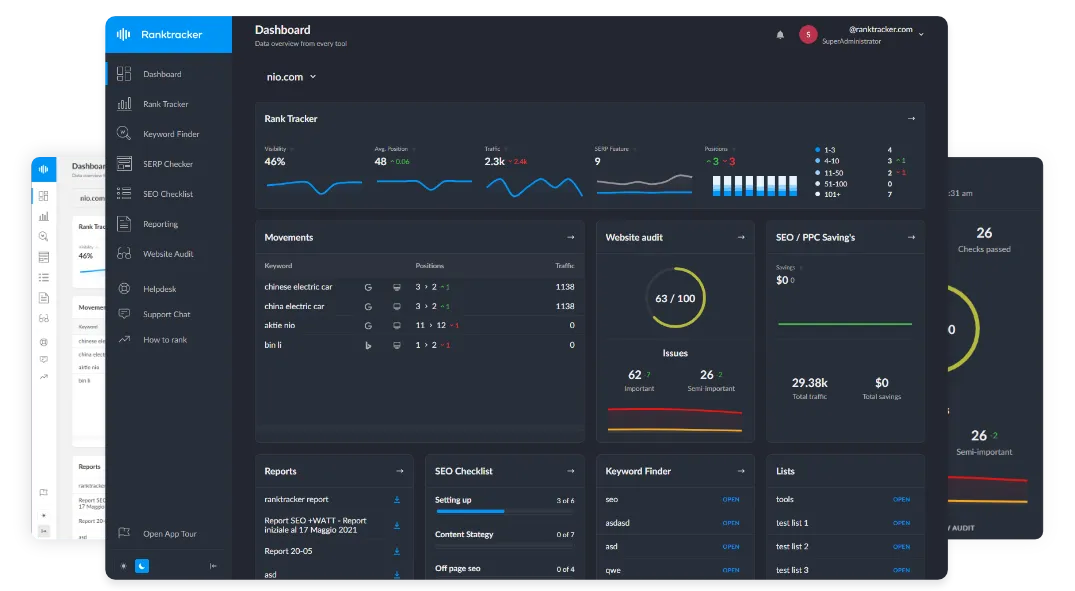
Behind every successful business is a strong SEO campaign. But with countless optimization tools and techniques out there to choose from, it can be hard to know where to start. Well, fear no more, cause I've got just the thing to help. Presenting the Ranktracker all-in-one platform for effective SEO
We have finally opened registration to Ranktracker absolutely free!
Create a free accountOr Sign in using your credentials
Moreover, downtime negatively impacts user experience, a critical SEO ranking factor. When customers encounter broken links, error pages, or slow-loading content, they are more likely to abandon the site and turn to competitors. This behavior not only affects immediate sales but also signals to search engines that the site may not be reliable or valuable, further harming SEO rankings.
The ripple effects of downtime can also impact customer lifetime value. According to a report by SWEOR, 88% of consumers are less likely to return to a site after a bad experience. This statistic underscores the importance of maintaining a stable, fast, and reliable retail website-not just for immediate sales but for long-term customer retention and brand loyalty.
Strategies to Achieve Near-Perfect Uptime and Optimize SEO
Achieving uptime beyond 99.9% requires a multifaceted approach and significant investment. Retailers must focus on resilient infrastructure, including redundant servers, reliable hosting providers, and advanced content delivery networks (CDNs). These technologies help distribute website content globally, reducing latency and minimizing the impact of localized outages.
Redundancy is critical. By having backup servers and failover systems in place, retailers can ensure that if one part of the system fails, another takes over seamlessly, minimizing downtime. CDNs play an essential role by caching content closer to users worldwide, improving load times, and reducing the risk that a localized server problem will impact the entire user base.
Additionally, continuous monitoring tools are essential. These tools track website performance in real-time, alerting technical teams to any disruptions immediately. This proactive stance reduces downtime significantly and helps maintain SEO integrity. Automated monitoring can check not only whether the site is online but also if key pages load correctly and at acceptable speeds.
Partnerships with specialized providers, such as those that offer tailored solutions optimized specifically for retail environments. Their expertise ensures that infrastructure is aligned with SEO priorities, delivering both high availability and enhanced site performance. They can also provide customized insights and support that help retailers stay ahead of emerging threats and technical challenges.
The Role of Technical Support in Sustaining SEO Performance
Even the best infrastructure can falter without expert management. This is where professional technical support becomes indispensable. Services like provide ongoing maintenance, troubleshooting, and optimization tailored to the unique challenges of retail SEO.
Their role goes beyond fixing issues-they analyze traffic patterns, update security protocols, and implement SEO-friendly technical enhancements. For example, they ensure that server configurations support search engine crawling and indexing, manage SSL certificates to maintain site security, and optimize database performance for faster load times.
The All-in-One Platform for Effective SEO
Behind every successful business is a strong SEO campaign. But with countless optimization tools and techniques out there to choose from, it can be hard to know where to start. Well, fear no more, cause I've got just the thing to help. Presenting the Ranktracker all-in-one platform for effective SEO
We have finally opened registration to Ranktracker absolutely free!
Create a free accountOr Sign in using your credentials
Technical support teams also handle critical updates and patches promptly, reducing vulnerabilities that could lead to downtime or security breaches. Their ability to respond quickly to incidents, diagnose root causes, and implement long-term fixes can save retailers from costly outages and SEO penalties.
Furthermore, ongoing optimization efforts by technical support help maintain a competitive edge. They can implement advanced caching strategies, optimize image delivery, and streamline code to improve page speed-factors that directly influence search rankings and user experience.
Preparing for the Future: Why Retailers Must Aim Higher Than 99.9%
As online shopping continues to evolve, consumer expectations rise accordingly. What was acceptable downtime a few years ago is no longer tolerable. Retailers must aim for uptime levels of 99.99% or higher, which translates to less than 53 minutes of downtime annually-a significant improvement over 99.9%.
The All-in-One Platform for Effective SEO
Behind every successful business is a strong SEO campaign. But with countless optimization tools and techniques out there to choose from, it can be hard to know where to start. Well, fear no more, cause I've got just the thing to help. Presenting the Ranktracker all-in-one platform for effective SEO
We have finally opened registration to Ranktracker absolutely free!
Create a free accountOr Sign in using your credentials
Achieving this level of reliability is challenging but essential. It requires strategic investments in technology, partnerships with expert providers, and a culture of continuous monitoring and improvement. Retailers that fail to meet these standards risk losing not only immediate sales but also long-term SEO rankings and customer loyalty.
In conclusion, the competitive landscape of retail SEO demands that businesses look beyond the traditional 99.9% uptime benchmark. The potential revenue losses, SEO penalties, and damage to brand reputation resulting from even limited downtime demand a more rigorous commitment to website availability and performance.
By leveraging advanced technologies, continuous monitoring, and expert technical support, retailers can surpass this threshold, ensuring their websites remain accessible, fast, and optimized for search engines. Investing in these strategies is not just about avoiding downtime-it’s about securing a competitive advantage in a market where every second counts.
For retailers serious about SEO and customer experience, the message is clear: 99.9% uptime isn’t enough. It’s time to aim for 99.99% or higher, supported by strategic partnerships that understand the critical intersection of technology and search engine performance.