
Intro

Video SEO is often treated as synonymous with YouTube.
Upload a video. Optimize the title. Add tags. Hope it ranks.
In 2026, that mindset leaves enormous visibility on the table.
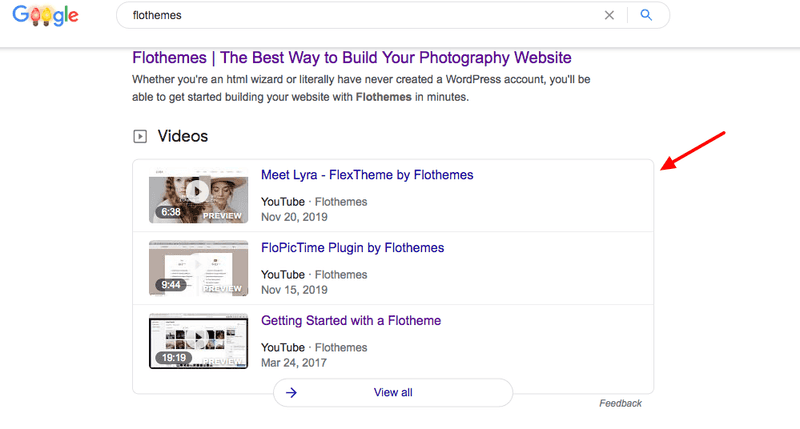
Search engines increasingly surface videos hosted outside YouTube — on brand websites, publishers, product pages, and blogs — directly inside Google Search. Video carousels, rich results, and AI summaries now pull from any trusted source, not just YouTube.
If your video strategy ends on YouTube, you’re missing one of the fastest-growing visibility layers in modern SEO.
Why Google Is Surfacing More Non-YouTube Videos
The All-in-One Platform for Effective SEO
Behind every successful business is a strong SEO campaign. But with countless optimization tools and techniques out there to choose from, it can be hard to know where to start. Well, fear no more, cause I've got just the thing to help. Presenting the Ranktracker all-in-one platform for effective SEO
We have finally opened registration to Ranktracker absolutely free!
Create a free accountOr Sign in using your credentials
Search engines care about answer quality, not platforms.
Google surfaces videos that:
- Directly answer a query
- Are contextually embedded in relevant pages
- Come from trusted entities
- Are easy to understand and extract
YouTube still dominates entertainment and discovery. But for:
- How-to queries
- Product explanations
- Comparisons
- Tutorials
- Demonstrations
…Google increasingly prefers videos embedded inside authoritative content, not standalone uploads.
That shift opens the door for brands to rank videos on their own domains.
Video SEO Is Page SEO First, Media SEO Second
The biggest misconception in video SEO is treating the video as the ranking unit.
In Google Search, the page ranks first — the video is an enhancement.
If the page:
- Doesn’t rank
- Lacks topical authority
- Has unclear intent
…the video won’t surface either.
Successful video SEO starts with:
- A strong, relevant page
- Clear alignment between page intent and video intent
- Supporting text content that frames the video
Video does not replace SEO content. It amplifies it.
How Google Understands Videos Outside YouTube
The All-in-One Platform for Effective SEO
Behind every successful business is a strong SEO campaign. But with countless optimization tools and techniques out there to choose from, it can be hard to know where to start. Well, fear no more, cause I've got just the thing to help. Presenting the Ranktracker all-in-one platform for effective SEO
We have finally opened registration to Ranktracker absolutely free!
Create a free accountOr Sign in using your credentials
Google evaluates non-YouTube videos using a combination of page context, metadata, and structure.
Key signals include:
1. Clear Video Purpose
Google must understand:
- What the video explains
- Which query it answers
- Why it exists on the page
If a video is decorative or vague, it won’t be surfaced.
Videos that rank usually:
- Answer a specific question
- Demonstrate a process
- Explain a concept step-by-step
2. Textual Reinforcement Around the Video
The surrounding content matters more than most people realize.
Strong pages:
- Introduce the video clearly
- Explain what the viewer will learn
- Reinforce key points below the video
This helps search engines connect the video to the query — and reduces ambiguity.
3. Video Schema (Still Non-Negotiable)
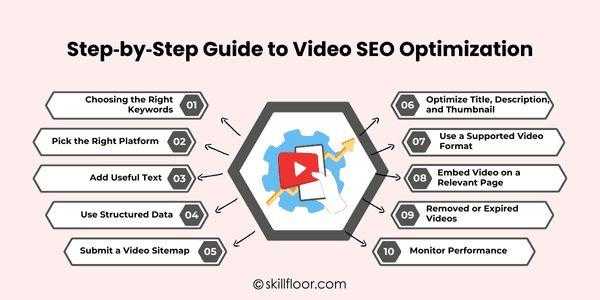
To be eligible for video rich results, pages must use proper VideoObject schema.
This helps Google understand:
- Video title and description
- Duration
- Thumbnail
- Upload date
- Content relevance
Schema doesn’t guarantee rankings — but without it, visibility is capped.
What Types of Videos Rank Best in Google Search
Not all video formats perform equally outside YouTube.
High-Performing Video Types
- How-to walkthroughs
- Product demos and explainers
- Step-by-step tutorials
- Feature explanations
- Visual comparisons
These formats:
- Match clear intent
- Are easy to summarize
- Complement written content
Low-Performing Video Types
- Brand videos with no instructional value
- Abstract storytelling
- Entertainment without context
- Videos not tied to a clear query
Google surfaces videos to solve problems, not to entertain.
Where to Host Videos (And What Actually Works)
Self-hosting vs platforms is not an either-or decision.
What matters is crawlability, load performance, and clarity.
Effective options include:
- Self-hosted videos with optimized delivery
- Enterprise video platforms that expose schema and thumbnails
- CMS-integrated video hosting with SEO controls
What doesn’t work well:
- Videos blocked by scripts
- Platforms that hide metadata
- Pages where the video loads after user interaction
If Google can’t reliably see the video, it can’t rank it.
Video SEO and AI Overviews
AI-driven SERPs increasingly reference video explanations.
AI systems favor videos that:
- Clearly explain concepts
- Are embedded in authoritative pages
- Reinforce textual explanations
- Come from trusted entities
This means video SEO now influences:
- AI Overviews
- SERP summaries
- Follow-up queries
A well-structured video page can:
- Rank organically
- Appear in video carousels
- Be cited in AI summaries
This compounds visibility without requiring YouTube at all.
How Video Improves Page-Level Rankings
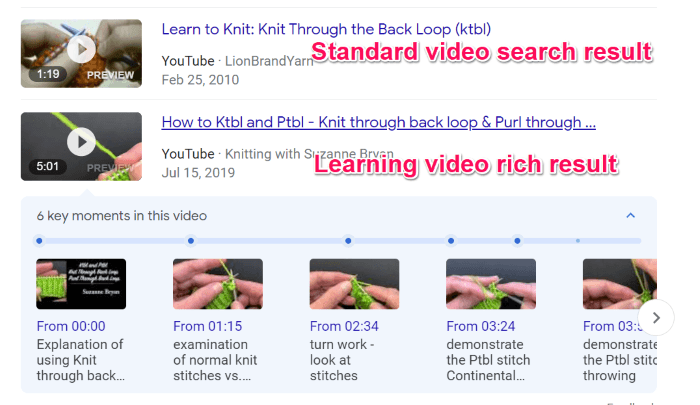
Even when videos don’t appear as standalone results, they still matter.
Embedded videos often improve:
- Dwell time
- Engagement signals
- Content comprehension
- Conversion efficiency
Google doesn’t rank pages because they have video — but video often improves the signals Google already cares about.
Video is a ranking multiplier, not a shortcut.
Common Video SEO Mistakes to Avoid
The fastest ways to fail with video SEO include:
- Embedding videos without context
- Using generic titles and thumbnails
- Skipping schema markup
- Hosting videos on orphan pages
- Treating video as a replacement for text
If the page wouldn’t rank without the video, the video won’t save it.
Measuring Video SEO Correctly
Don’t measure success by:
- Views alone
- YouTube-style engagement metrics
Instead, track:
- Video impressions in Google Search
- Appearance in video rich results
- Page-level ranking improvements
- Assisted conversions
SEO platforms like Ranktracker help track visibility across SERP features, including video results, which is critical when videos surface without traditional clicks.
The Strategic Advantage of Video Beyond YouTube
Ranking videos on your own site gives you:
- Full brand control
- Direct attribution
- Higher conversion potential
- Compounding topical authority
YouTube visibility is rented. On-site video visibility is owned.
The All-in-One Platform for Effective SEO
Behind every successful business is a strong SEO campaign. But with countless optimization tools and techniques out there to choose from, it can be hard to know where to start. Well, fear no more, cause I've got just the thing to help. Presenting the Ranktracker all-in-one platform for effective SEO
We have finally opened registration to Ranktracker absolutely free!
Create a free accountOr Sign in using your credentials
In a search landscape where clicks are optional and trust compounds, that difference matters.
Final Takeaway
Video SEO is no longer a YouTube-only game.
In 2026:
- Google ranks videos from anywhere
- Pages matter more than platforms
- Structure beats volume
- Authority beats distribution
If your videos:
- Answer real questions
- Live on strong pages
- Are clearly structured and marked up
…they can rank directly in Google Search — without ever touching YouTube.
Video is no longer just content. It’s a visibility layer.
And brands that treat it that way will own far more of the SERP than those chasing views alone.

