
Intro
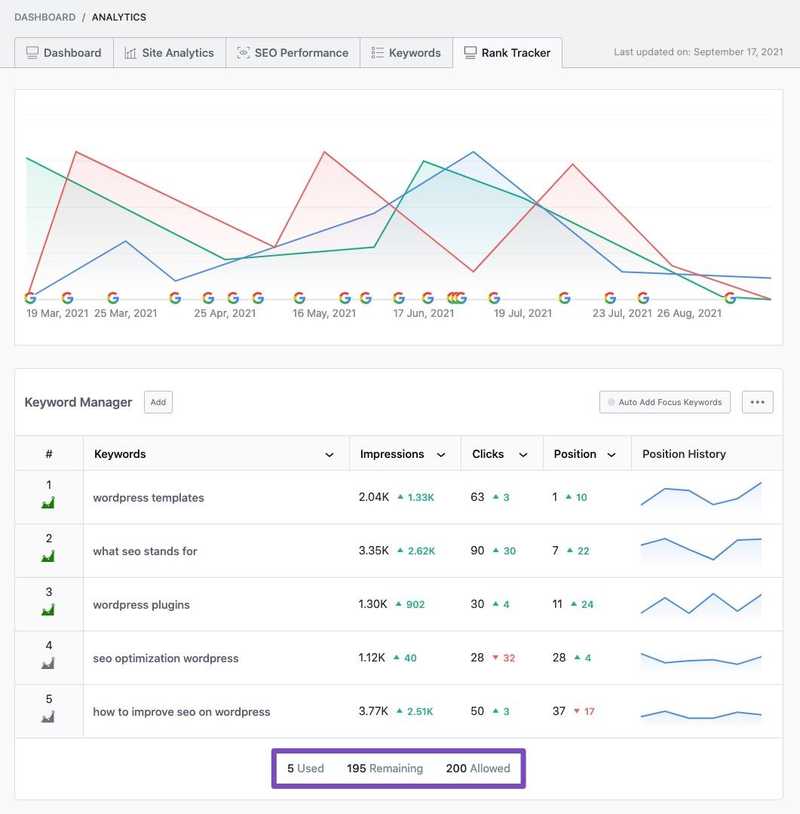
Rank tracking used to be the backbone of SEO reporting.
If rankings went up, SEO was working. If rankings dropped, something was wrong. If you hit #1, the job was done.
In 2026, that logic is dangerously incomplete.
Traditional rank tracking still measures position — but modern search performance is driven by visibility, presence, and trust across an increasingly fragmented SERP. Rankings haven’t disappeared, but they no longer reflect how users discover, evaluate, or choose brands.
This gap is why many teams believe SEO is underperforming — even when it’s quietly doing its job.
Rankings Measure Position, Not Exposure

The All-in-One Platform for Effective SEO
Behind every successful business is a strong SEO campaign. But with countless optimization tools and techniques out there to choose from, it can be hard to know where to start. Well, fear no more, cause I've got just the thing to help. Presenting the Ranktracker all-in-one platform for effective SEO
We have finally opened registration to Ranktracker absolutely free!
Create a free accountOr Sign in using your credentials
Classic rank tracking answers one question: “Where does this URL rank for this keyword?”
Modern search asks very different questions:
- Was the brand seen?
- Was it cited or referenced?
- Did it shape the user’s understanding?
- Will the user remember it later?
A page can rank #2 and receive zero clicks. Another can rank #7 and appear in:
- AI Overviews
- Featured snippets
- People Also Ask
- Forum summaries
Only one of these is truly visible.
Traditional rank tracking misses that entirely.
SERPs Are No Longer Linear
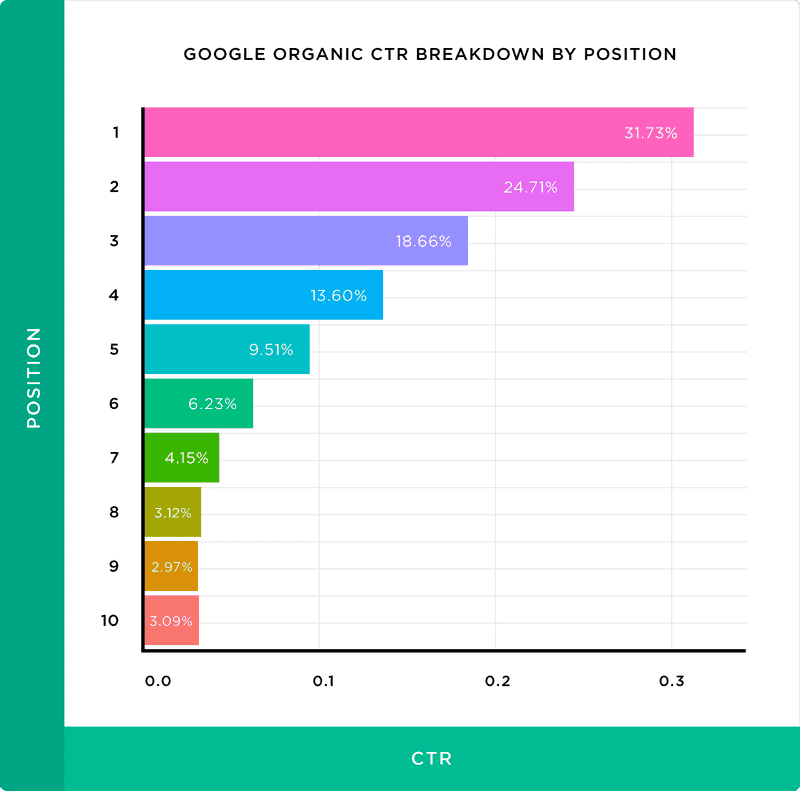
The biggest problem with rank tracking is structural.
SERPs are no longer a list — they are a stack.
Today’s results pages include:
- AI Overviews above organic results
- Multiple SERP features pushing listings below the fold
- UGC and forum blocks interrupting rankings
- Local packs replacing organic intent
Google no longer treats ranking position as the primary interaction layer. In many queries, users never even see the “top 10.”
The All-in-One Platform for Effective SEO
Behind every successful business is a strong SEO campaign. But with countless optimization tools and techniques out there to choose from, it can be hard to know where to start. Well, fear no more, cause I've got just the thing to help. Presenting the Ranktracker all-in-one platform for effective SEO
We have finally opened registration to Ranktracker absolutely free!
Create a free accountOr Sign in using your credentials
Rank tracking assumes visibility begins at position one. In reality, visibility begins wherever the SERP places attention.

AI Overviews Broke the Ranking Model
AI Overviews changed the rules permanently.
They:
- Sit above all rankings
- Summarize multiple sources
- Often resolve intent fully
- Influence decisions without clicks
A site can:
- Lose clicks
- Maintain rankings
- Increase influence
Rank tracking would flag this as a failure.
In reality, the brand may now be shaping decisions before users ever reach analytics.
Rank tracking doesn’t show:
- Whether you’re cited
- How often you’re referenced
- Whether your content feeds AI summaries
These are now core SEO outcomes.

Rankings Ignore Zero-Click Behavior
Zero-click searches are no longer edge cases.
Many queries are fully resolved by:
- Snippets
- AI summaries
- Knowledge panels
- PAA expansions
Rank tracking still assumes: Ranking → Click → Session
Modern SEO often looks like: Visibility → Trust → Recall → Delayed or indirect conversion
If your reporting only measures clicks tied to rankings, you miss the influence layer entirely.
Rank Tracking Can Actively Mislead Strategy
The most dangerous part of traditional rank tracking isn’t what it shows — it’s what it encourages.
It pushes teams to:
- Chase single keywords
- Optimize isolated pages
- Overreact to short-term fluctuations
- Ignore SERP composition
This leads to:
- Keyword cannibalization
- Over-optimization
- Thin content expansion
- Missed visibility opportunities
Modern SEO performance degrades when rankings are treated as the primary goal instead of a diagnostic signal.
What Rank Tracking Still Does Well
Rank tracking isn’t useless — it’s incomplete.
It still matters for:
- High-intent commercial queries
- Brand protection terms
- Competitive benchmarking
- Detecting technical issues
- Monitoring volatility
But it should no longer be used as:
- A proxy for visibility
- A measure of brand impact
- A success metric in isolation
Rankings tell you where you stand. They don’t tell you how you’re perceived.
What Needs to Replace Ranking-Only Measurement
Modern SEO measurement expands beyond position.
Key signals traditional rank tracking misses include:
1. Topic-Level Visibility
Instead of tracking:
- One keyword per page
Track:
- How many queries you appear for
- How broad your coverage is
- Whether visibility is expanding or shrinking
Topic ownership beats single-keyword wins.
2. SERP Feature Inclusion
Being visible inside:
- AI Overviews
- Featured snippets
- People Also Ask
- Knowledge panels
…often matters more than ranking position.
The All-in-One Platform for Effective SEO
Behind every successful business is a strong SEO campaign. But with countless optimization tools and techniques out there to choose from, it can be hard to know where to start. Well, fear no more, cause I've got just the thing to help. Presenting the Ranktracker all-in-one platform for effective SEO
We have finally opened registration to Ranktracker absolutely free!
Create a free accountOr Sign in using your credentials
Rank trackers that ignore SERP features underreport performance.
3. Brand Presence and Recall
Repeated brand exposure:
- Builds trust
- Shapes decisions
- Drives future searches
Growth in branded queries is often the strongest signal that SEO is working — even when rankings look flat.
4. Stability Over Time
Healthy SEO performance in 2026 looks like:
- Fewer dramatic drops
- More consistent impressions
- Gradual expansion across topics
Rankings spike and crash. Visibility compounds.
SEO platforms like Ranktracker increasingly emphasize visibility, SERP features, and topic coverage because these metrics reflect how modern search actually behaves.
The New Role of Rank Tracking
Rank tracking should now be treated as:
- A health check
- A competitive reference
- A diagnostic tool
Not as:
- The KPI
- The goal
- The definition of success
Rankings support SEO. They no longer define it.
Final Takeaway
Traditional rank tracking isn’t wrong — it’s just incomplete.
In 2026:
- Visibility beats position
- Presence beats precision
- Trust beats traffic
SEO success now depends on:
- Where your brand appears
- How often it’s referenced
- Whether it’s trusted enough to be reused
Rank tracking still tells part of the story.
But if it’s the only story you’re telling, you’re already behind.

