Intro

A customer calls about a discount they saw that morning. Marketing knows the advert, sales has a different closing date, and customer service cannot confirm whether existing customers qualify. The offer may be attractive, but the conversation has already become harder than it needs to be.
Keeping departments aligned requires more than forwarding the launch email. Each team needs access to the same approved offer and a clear way to handle changes. Start with what staff must know to answer the customer's next question.
Create one approved record of the offer
Write the offer in a shared campaign record before producing adverts or briefing staff. Include the actual conditions, not just the headline discount. Someone answering the phone should be able to establish eligibility without searching through an email chain.
For campaigns involving several products or suppliers, a planning platform can help organise briefs, prices and approvals. Teams comparing tools can try this promotion planning solution by requesting a demonstration using a real campaign brief. Ask how an approved price change would reach each department.
Keep the record short enough to consult during a conversation, with links to supporting material where necessary. It should answer these questions:
- Which products, services and customers qualify?
- When does the offer begin and end, including the time zone?
- Which exclusions, stock limits or purchase conditions apply?
- Who can approve an exception or resolve a disputed price?
Give each department a chance to challenge the brief
Marketing may know the intended message, but colleagues can expose gaps before customers encounter them. Ask sales what a prospect is likely to misunderstand. Ask customer service which questions similar offers have generated.
Run through one realistic example together: an existing customer wants the advertised discount on a renewal. Can everyone give the same answer? If the answer is uncertain, settle it before launch rather than allowing staff to improvise.
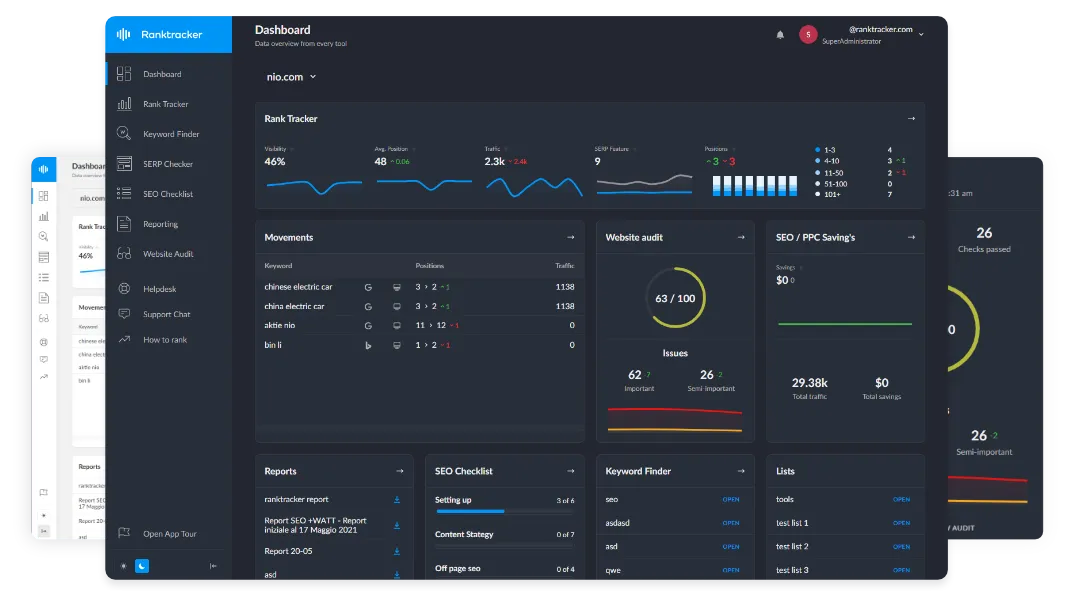
The All-in-One Platform for Effective SEO
Behind every successful business is a strong SEO campaign. But with countless optimization tools and techniques out there to choose from, it can be hard to know where to start. Well, fear no more, cause I've got just the thing to help. Presenting the Ranktracker all-in-one platform for effective SEO
We have finally opened registration to Ranktracker absolutely free!
Create a free accountOr Sign in using your credentials
Assign responsibility for each decision. Marketing can own the published wording while a commercial manager approves discount conditions. Customer service should know who will respond when an unfamiliar case arrives.
Separate the source of information from the conversation
A chat channel is useful for raising questions, but it should not become the only place where campaign decisions are stored. Messages move quickly, and someone returning from leave may never see a correction.
Put the decision into the shared record, then use chat or email to notify the people affected. Include what changed, when it takes effect and whether any customer communications need replacing.
For example, if a supplier withdraws a product from the offer, update its status and list the affected adverts, sales scripts and customer replies. A message saying “product list updated” leaves colleagues to discover the consequences themselves.
This also matters when managing remote employees: colleagues need to find the current answer without relying on a conversation they missed.
Test the customer journey before the launch
Review the campaign from the customer's side. Follow an advert to its landing page, inspect the price at checkout and ask a colleague to answer a sample telephone enquiry.
Use a short launch check:
- Confirm that adverts and landing pages show the approved offer.
- Test qualifying and nonqualifying purchases, where applicable.
- Check that sales and support staff can open the campaign record.
- Give the person handling escalations a sample customer question.
A successful check is not simply a collection of screenshots. Record what was tested, who checked it and which issues remain unresolved. An unresolved price mismatch should have a named owner and a decision about whether launch can proceed.
Keep a route open for questions after launch
The first customer conversations may reveal an ambiguity that the launch check missed. Give staff somewhere to flag repeated questions and distinguish requests for clarification from complaints requiring an individual response.
A brief daily review during a busy promotion can focus on repeated misunderstandings, disputed prices and exceptions. It does not need to become a meeting for every department.
When the promotion ends, remove outdated sales material and update customer replies. Check any scheduled messages that could still advertise the expired offer. Preserve a record of the final conditions so staff can answer questions about purchases made during the campaign.
For the next promotion, turn repeated questions into additions to the brief. If several customers asked whether delivery was included, that answer belongs beside the offer itself, before another launch email goes out.