Intro
Vehicle shopping often starts on a phone screen, not a dealer lot. Buyers compare pricing, trim levels, trade values, lender options, and owner reviews before making contact. That shift has raised the standard for every store site, listing page, and follow-up process. Dealerships that connect search intent, inventory accuracy, response speed, and clear reporting usually generate steadier lead flow and stronger online sales performance.
Search Behavior Shapes Demand
Most shoppers begin with broad research, then narrow choices by budget, body style, fuel type, mileage, and distance. Search activity also reveals intent at each stage. A page built around those signals can answer questions before doubt slows action. Many stores rely on an automotive digital marketing agency when search visibility, lead attribution, and local reach need closer coordination with day-to-day sales goals.
Local Visibility Brings Ready Buyers
Map listings often attract people prepared to call, visit, or request directions. Accuracy matters here. Store hours, service details, address data, and current inventory must match across major platforms. Inconsistent information weakens trust and can reduce placement for nearby searches. Reliable local signals help dealerships appear where purchase intent is already strong, which improves the odds of qualified inquiries.
Inventory Pages Carry Sales Weight
Vehicle detail pages influence far more than simple browsing. They shape click-through rates, session depth, finance form starts, and appointment requests. Thin descriptions or stale photos can drain interest within seconds. Strong pages use original copy, pricing context, image variety, and visible next steps. Fresh stock updates also matter because buyers respond quickly when a listing reflects actual availability.
Paid Media Supports Immediate Reach
Organic visibility builds gradually, while paid placement can create immediate exposure for priority models or seasonal offers. Search ads capture urgent demand tied to clear purchase terms. Social campaigns can reintroduce vehicles already viewed by previous visitors. Display placements keep inventory visible during longer decision cycles. Better audience filters reduce wasted impressions and keep spending focused on people near the store.
Reviews Influence Conversion Rates
Recent feedback often carries the same weight as the listed price. A dealership with credible reviews can lower hesitation before a phone call or visit. Response quality matters too, because public replies show patience, accountability, and problem handling. Review activity supports more than reputation alone. It can strengthen local visibility and give sales staff a warmer starting point with incoming prospects.
Faster Follow-Up Protects Lead Value
Lead quality drops quickly when replies arrive late. Many shoppers contact several stores within minutes, then move forward with whoever responds first and clearly. A useful answer confirms availability, addresses financing or trade questions, and offers a real appointment window. Generic templates rarely help. Dealerships that link forms, call tracking, and sales processes usually reduce drop-off after first contact.
Measurement Guides Better Spending
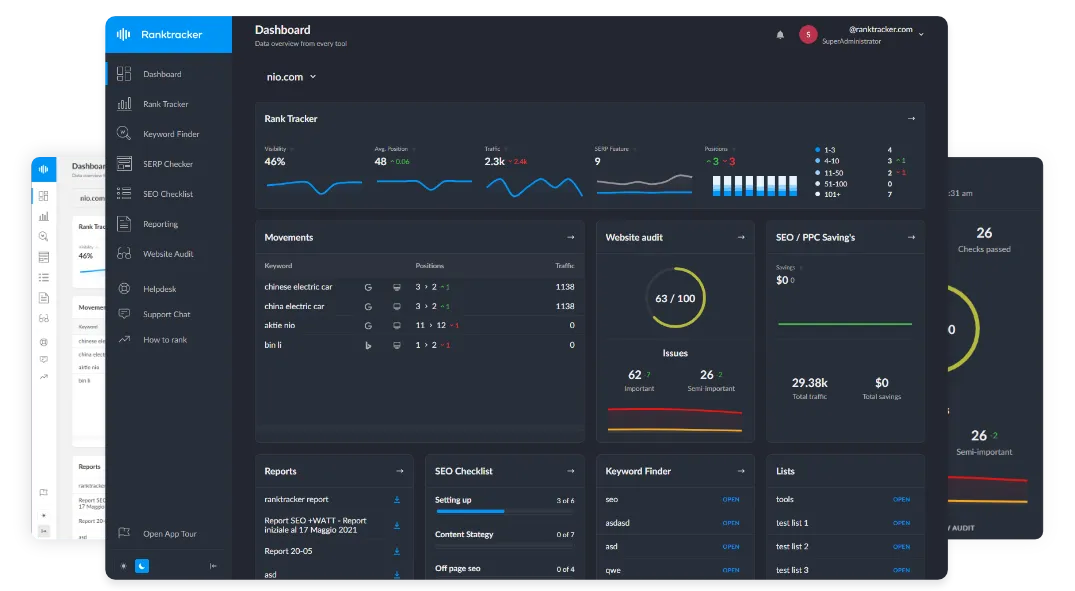
Traffic alone does not prove revenue impact. Reporting must connect calls, forms, chat sessions, test-drive requests, and service bookings with the source that produced them. That view helps managers shift budget into channels that create profitable action. Clear measurement also exposes weak landing pages, poor keyword targeting, or delayed responses before those problems absorb another month of spend.
Content Builds Trust Before Contact
Clear Answers Reduce Friction
Shoppers often hesitate when financing terms, warranty limits, trade values, or maintenance costs feel unclear. Useful articles can reduce that friction before a salesperson enters the conversation. Plain language matters because buyers are usually comparing several stores at once. Content that answers common questions can increase time on site, improve repeat visits, and support visibility for specific search queries.
Data Keeps Strategy Grounded
Sustained growth rarely comes from guesswork. Teams need controlled testing across different languages, page layouts, audience groups, and model-level campaigns to see what changes real outcomes. Small lifts become meaningful when applied across large inventories. Data also helps identify which vehicles need extra exposure, which messages convert, and which markets show stronger purchase readiness at a given time.
Conclusion
Automotive digital marketing drives sales by aligning buyer intent with accurate information, visible inventory, and timely human response. Search performance, local credibility, paid promotion, review quality, and conversion tracking each affect whether interest becomes a showroom visit. When those parts work together, dealerships can attract stronger prospects, reduce wasted spend, and build a more dependable online revenue engine.