Intro
Publishing a useful blog post is only part of the job. An unrelated stock photo, awkward crop, or inaccurate diagram can weaken the reader's experience. AI-generated visuals offer another option, but choosing a tool involves more than judging whether its sample images look attractive.
Match Image Types to Editorial Needs
Make a list of the visuals your website actually publishes. A recipe site may need realistic ingredient photography. A software blog may need abstract editorial illustrations and carefully annotated screenshots. A local service company may need simple banners and location-neutral conceptual photos.
Not every subject is suitable for generation. Real screenshots, genuine before-and-after results, and documentary images should remain authentic. If an illustration is generated, avoid presenting it as factual photographic evidence.
Test Prompts You Will Really Use
A good comparison uses the same three or four prompts across tools. Include a realistic scene, an illustration, a banner with empty text space, and an object that needs consistent details. Save outputs without selecting only the best example from each service.
Assess relevance, clarity, subject accuracy, ease of editing, and how much manual cleanup each output requires. A technically detailed image is not necessarily the best fit for an article.
Check Aspect Ratios and Export Quality
Blog hero images often need a wide frame, while thumbnails and social previews may be square or vertical. Verify which aspect ratios and resolution settings a service provides. More pixels can help when a large image is required, but excessive file size can slow a webpage.
After generating a visual, export it at a useful size and compress it for the web. Test how the image appears in the page template and mobile preview. Keep the focal point visible when the content management system crops it.
Look for Editing, Not Just Generation
The first output rarely needs to be the last. An editing workflow should let you change a background, adjust composition, or revise a small part without unnecessarily changing the whole scene. For sites that reuse characters or branded objects, consistency across multiple images is another useful test.
When evaluating the Nano Banana AI Image Generator for your website, use a sample brief from an actual article and inspect the available generation and editing controls. Judge the result against that article's needs: a clear focal point, a usable crop, and details that support the subject. Record any manual corrections required.
Review Licensing and Disclosure
Before using an image commercially, read the provider's current usage terms and the rules for your subscription. Having permission to generate an image does not automatically grant permission to copy someone else's logo, artwork, or likeness.
If you upload a reference photo, check that you have the rights and consent needed for that use. Consider a brief AI-image disclosure when the origin could otherwise mislead readers, especially in journalism, health, or product demonstrations.
Give Each Image an Editorial Job
A blog image should help a reader understand the article, set relevant context, or make the layout easier to navigate. Avoid inserting visuals simply to break up paragraphs. For technical content, a real chart or labeled screenshot may communicate more accurately than an artistic rendering.
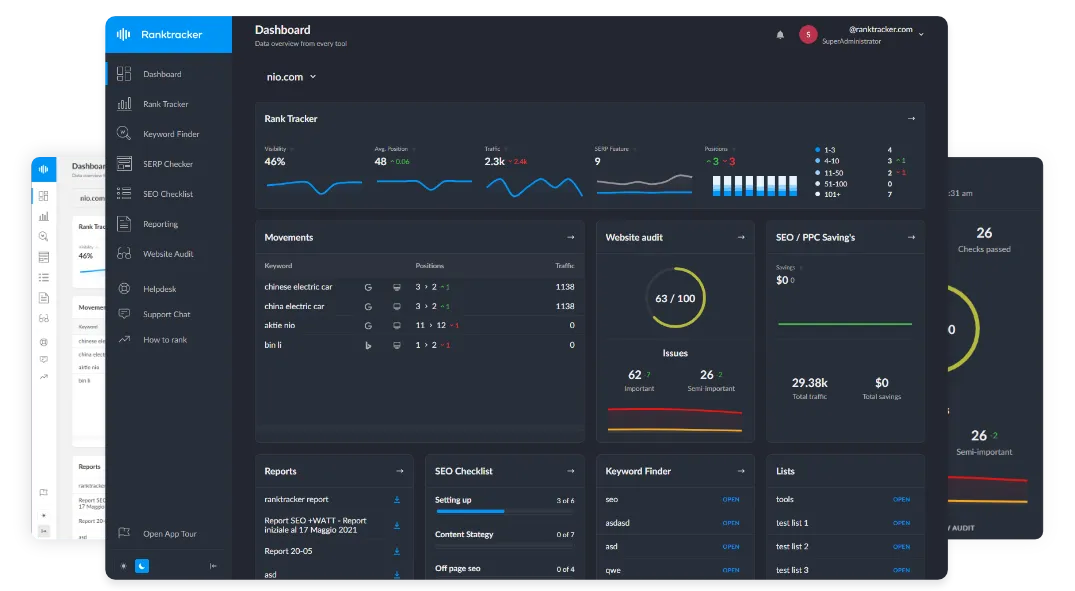
The All-in-One Platform for Effective SEO
Behind every successful business is a strong SEO campaign. But with countless optimization tools and techniques out there to choose from, it can be hard to know where to start. Well, fear no more, cause I've got just the thing to help. Presenting the Ranktracker all-in-one platform for effective SEO
We have finally opened registration to Ranktracker absolutely free!
Create a free accountOr Sign in using your credentials
Write concise alt text for informative imagery. Use descriptive filenames that relate to the topic, but do not overload filenames or alt text with repeated keywords. Captions should clarify what the reader is seeing where needed.
Build a Practical Selection Scorecard
Rate each tool on five categories: relevance to your prompts, editing controls, output formats, usage terms, and total production cost. Include review time, not just subscription price. A cheap image that requires 30 minutes of repairs may be less valuable than one that is ready after a small correction.
Use an AI image generator for a small trial before adding it to your publishing routine. Prepare one hero image and one supporting illustration for a draft article. Check them inside the actual page layout, including the social preview, and note any cropping or quality problems.
Keep the original prompt, permitted source material, and approved export together. Give the editor a short note explaining whether the visual is conceptual or factual. That record helps future writers reuse the asset appropriately and avoids presenting an illustration as evidence.