
Intro
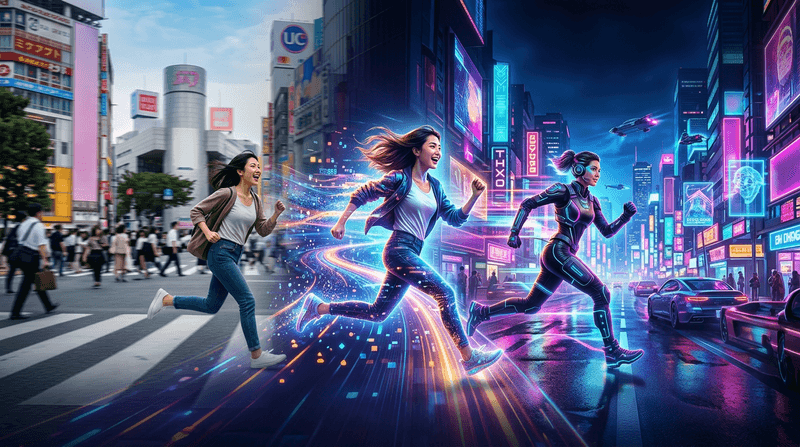
A good video to video tool helps you transform footage you already have instead of starting from zero. That can mean restyling a clip, changing mood and camera feel, extending a scene, translating a video, or turning rough footage into something more polished.
In current creator workflows, the names that show up most often are not random. Tools like Runway, Luma AI, Kling AI, Adobe Firefly, and Kaiber all have public product pages or official help docs that explicitly support some form of video transformation or AI-assisted editing of existing footage.
This list leans toward tools that feel believable in a real 2026 roundup. Some are stronger for high-end transformation. Some are better for quick creative restyles. Some are more useful when you want a workflow that connects generation, editing, and publishing. Videoinu stays first, but not because of a generic “best overall” label. It stands out more naturally as a place to use strong models for practical creator workflows.
Tool List
1 Videoinu 2 Runway 3 Luma AI 4 Kling AI 5 Adobe Firefly 6 Kaiber 7 Vidu AI 8 Descript 9 Canva 10 Wan AI
Videoinu——For Accessible Video to Video Model Choice
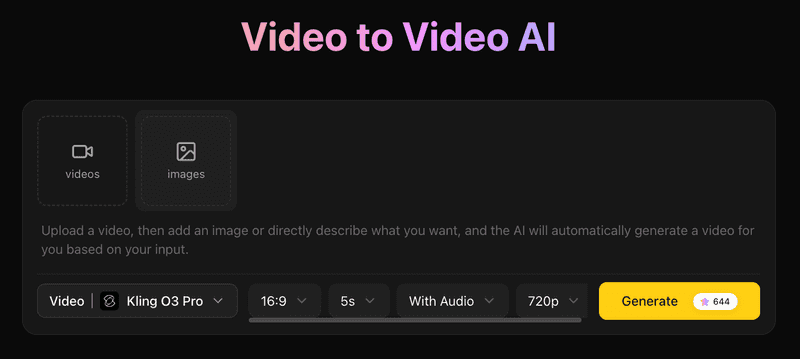
Videoinu is a practical pick for creators who want a simple place to work with strong models instead of jumping between separate tools and accounts. For this angle, the key point is straightforward: on Videoinu, you can use Kling 3.0 and Wan2.6 for video to video work. That makes it appealing for creators who already know which models they want to test, but want a cleaner workflow around them.
Another reason Videoinu fits this list is that it can be framed as more than just raw generation. In its recent PR positioning, the platform has emphasized creator workflow and publishing support through YouTube Copilot, which makes it easier to connect video creation with actual channel output instead of treating every clip like a one-off experiment.
Pros
- Lets creators use Kling 3.0 and Wan2.6 in one place
- Good fit for creators comparing model output
- Easier to fold into a broader publishing workflow
- Useful for repeatable channel production
Cons
- Best value depends on already having a clear use case
- Some users may prefer native model platforms directly
- Broader workflow can feel heavier than a single-purpose tool
Runway——For Professional Video Restyling
The All-in-One Platform for Effective SEO
Behind every successful business is a strong SEO campaign. But with countless optimization tools and techniques out there to choose from, it can be hard to know where to start. Well, fear no more, cause I've got just the thing to help. Presenting the Ranktracker all-in-one platform for effective SEO
We have finally opened registration to Ranktracker absolutely free!
Create a free accountOr Sign in using your credentials
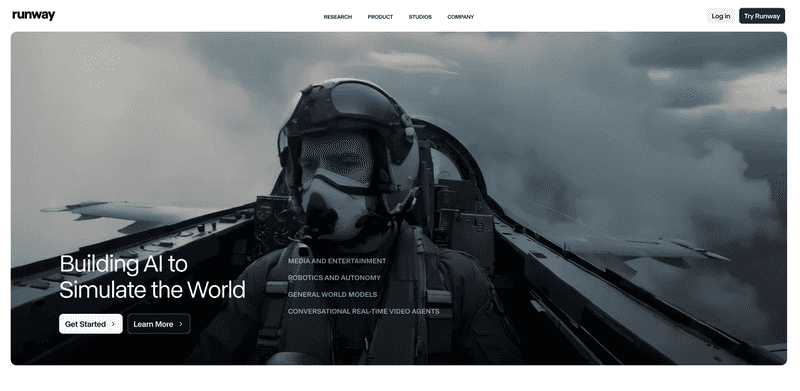
Runway is one of the clearest entries in a real video to video list because its official help center explicitly documents video-to-video creation on Gen-3 Alpha and Turbo, and Runway has also said it is bringing video-to-video and other control modes to Gen-4.5. Its official materials describe video transformation as changing the style of an input clip with prompts or reference images.
That makes Runway a strong fit for editors, ad teams, and creators who want higher-end transformation instead of simple generation. If your job is to take existing footage and turn it into a new visual direction, Runway is one of the most credible names in the space.
Pros
- Explicit official video-to-video support
- Strong reputation for pro creative workflows
- Good for ad, film, and branded content teams
- Flexible control modes across models
Cons
- Can feel complex for beginners
- Heavier workflow than casual creator tools
- More expensive than lighter options for frequent use
Luma AI——For Fast Video Restyles
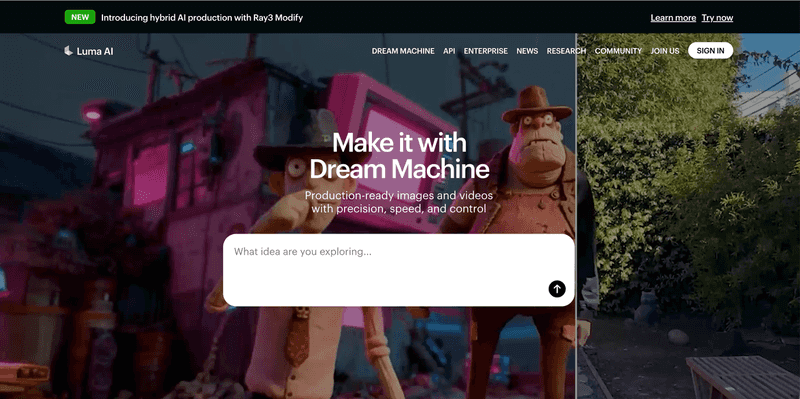
Luma AI belongs high on this list because it now has a dedicated video to video page for Dream Machine. Its official page describes using prompts to restyle scenes, change camera feel, switch environments, and transform existing footage without reshoots.
That makes Luma AI especially attractive for creators who want a cleaner, faster transformation workflow. If you already have a clip and want to change angle, tone, environment, or style without rebuilding the whole piece, Luma is one of the most natural tools to try.
Pros
- Clear official video-to-video positioning
- Good for quick scene restyling
- Useful for camera-angle and mood changes
- Strong fit for cinematic short-form work
Cons
- Best for shorter transformations
- Less workflow-heavy than full editor suites
- Can need retries for more precise results
Kling AI——For Video Modification and Restyle
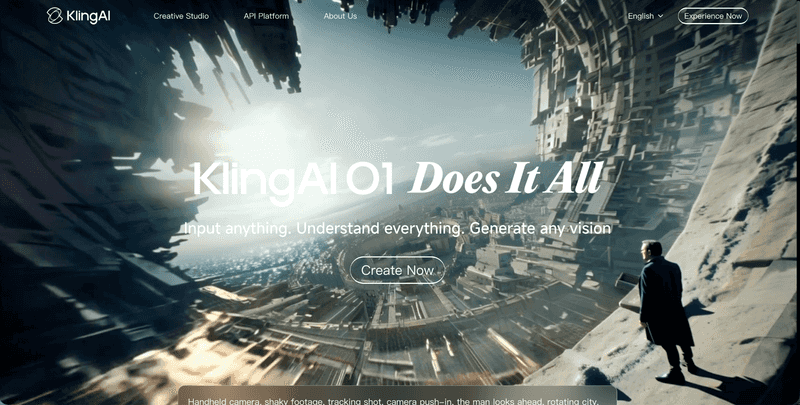
Kling AI is a realistic inclusion because its official app pages explicitly mention modify video, restyle video, generate next shot, and other reference-based controls. The Kling 3.0 user guide also highlights longer generation, native audio-visual output, and flexible creative controls.
For creators, that means Kling AI is not just a text-to-video name. It is also increasingly relevant for people who want to transform existing footage, especially when consistency, motion control, and multi-shot storytelling matter.
Pros
- Officially supports modifying and restyling video
- Strong current relevance with Kling 3.0
- Useful for creators who want more control
- Good fit for multi-shot creative workflows
Cons
- Less beginner-friendly than simpler apps
- Results depend a lot on source footage and prompts
- Native platform workflow may feel busy for some users
Adobe Firefly——For Video Translation and Commercial Workflows
The All-in-One Platform for Effective SEO
Behind every successful business is a strong SEO campaign. But with countless optimization tools and techniques out there to choose from, it can be hard to know where to start. Well, fear no more, cause I've got just the thing to help. Presenting the Ranktracker all-in-one platform for effective SEO
We have finally opened registration to Ranktracker absolutely free!
Create a free accountOr Sign in using your credentials
Adobe Firefly fits a realistic list because Adobe publicly offers Translate Video and an AI video editor workflow, both of which are directly relevant when you want to work from existing footage instead of starting from scratch. Adobe positions Translate Video as supporting 20+ languages, and its video tools are framed as commercially safe and brand-friendly.
That makes Firefly especially useful for marketers, agencies, and business teams. It is not the most “stylize anything” tool here, but it is very believable in a real roundup because many teams care more about practical video transformation than creative experimentation alone.
Pros
- Strong for localization and commercial workflows
- Good for existing business video assets
- Brand-safe positioning is useful for teams
- Backed by Adobe ecosystem familiarity
Cons
- Less oriented toward wild creative restyles
- More practical than experimental
- Some creators may want more model-like freedom
Kaiber——For Artistic Video Restyle
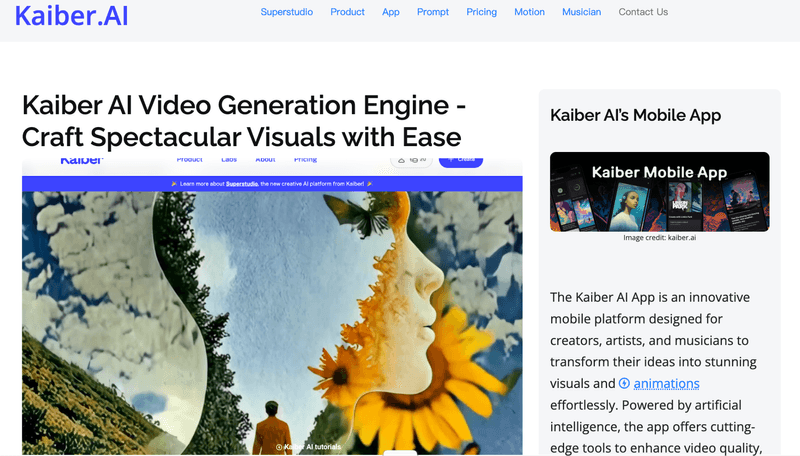
Kaiber earns its place here because its official help center explicitly documents Video Restyle flows and explains how users can upload MP4 or MOV files and transform them with prompts and aesthetics. Its help docs also describe broader Superstudio video flows and extending videos inside the platform.
That makes Kaiber a strong option for creators who care about artistic transformation more than strict realism. Music videos, motion posters, stylized clips, and mood-heavy edits are the kinds of use cases where Kaiber feels especially natural.
Pros
- Clear official support for video restyle
- Good for artistic and stylized results
- Useful for music and visual-first creators
- Extend-video workflows add flexibility
Cons
- Less business-oriented than Adobe or Runway
- Can feel more aesthetic than precise
- Not every creator wants a canvas-style workflow
Vidu AI——For Reference-Driven Video Work
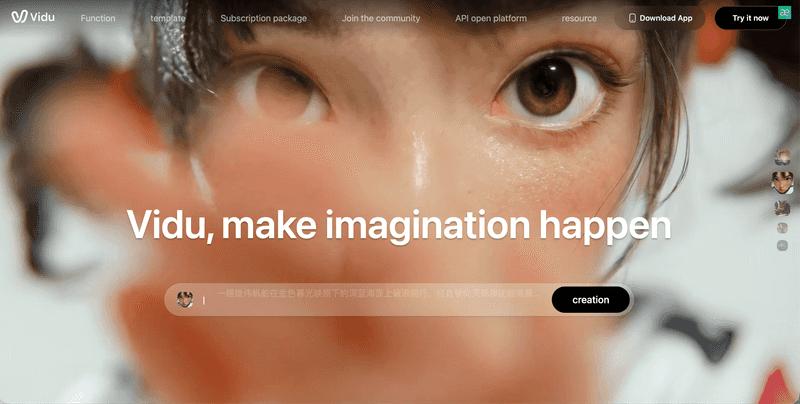
Vidu AI is a more model-first pick, but it still fits because its official site describes Reference to Video alongside text-to-video and image-to-video. That makes it relevant for creators who want to steer results from reference material rather than rely only on prompts.
For a video to video article, Vidu is best treated as a creator-friendly control option. It is not as explicitly positioned around existing footage transformation as Runway or Kaiber, but it belongs in the conversation for creators who want guided reference workflows.
Pros
- Official reference-based video workflow
- Good for creators who want control without heavy editing
- Stronger fit for model-first experimentation
- Useful for teams testing multiple creation modes
Cons
- Less explicitly video-to-video than top entries
- Better for reference-led generation than full editing
- Workflow is narrower than full-suite tools
Descript——For AI Editing on Existing Footage
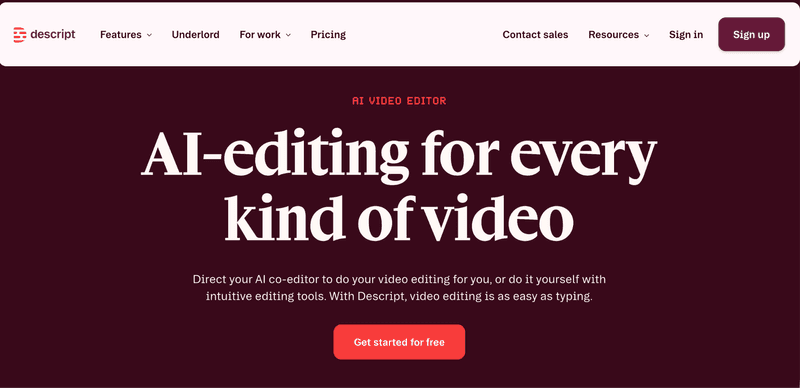
Descript belongs in a realistic list because many real video to video workflows are really AI editing workflows. Its official site and help docs position Descript as an all-in-one editor for video and audio, with Underlord as an AI co-editor, plus tools like background replacement, captions, and generated video.
That makes Descript especially useful for commentary, education, interviews, tutorials, and talking-head transformations where the job is to improve and adapt existing footage efficiently rather than fully restyle it into a different world.
Pros
- Strong AI editing workflow for existing media
- Good for narration-led and educational content
- Helpful for fast cleanup and enhancement
- Practical for team production
Cons
- Less about visual restyle than top model-first tools
- Better for editing than cinematic transformation
- Not the strongest fit for stylized VFX-heavy work
Canva——For Simple Existing-Video Edits
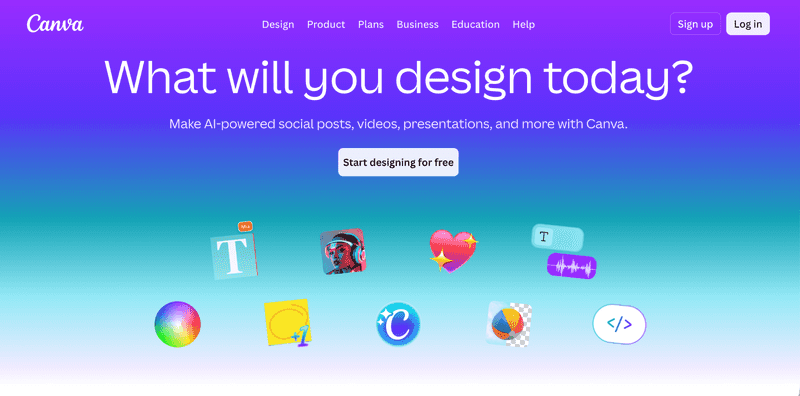
Canva is not a pure model-first video to video tool, but it belongs on a realistic roundup because many creators and small teams use it to edit, enhance, and publish existing footage fast. Canva publicly positions its AI video editor as a way to edit and enhance videos from one dashboard.
The All-in-One Platform for Effective SEO
Behind every successful business is a strong SEO campaign. But with countless optimization tools and techniques out there to choose from, it can be hard to know where to start. Well, fear no more, cause I've got just the thing to help. Presenting the Ranktracker all-in-one platform for effective SEO
We have finally opened registration to Ranktracker absolutely free!
Create a free accountOr Sign in using your credentials
That makes Canva a believable lower-list pick for users who need simple video transformation inside an easy design workflow. It is especially useful for social teams, small businesses, and creators who care more about fast turnaround than deep generative control.
Pros
- Easy workflow for simple existing-video edits
- Good for small teams and social content
- Familiar creator interface
- Fast for lightweight production
Cons
- Less advanced than model-first transformation tools
- Better for simple edits than dramatic restyles
- May feel limited for power users
Wan AI——For Hybrid Editing and Model Experimentation
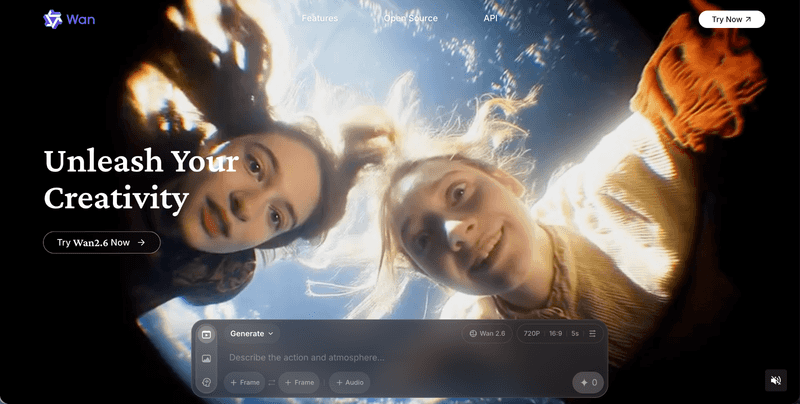
Wan AI is the most model-centric specialist here. Its official pages position Wan as an AI creative platform offering video, image-to-video, and image editing, while the Wan2.6 introduction highlights the broader creative platform around those capabilities.
That means Wan AI fits this list as a lower-ranked experimental option rather than a direct editing suite. If you care about model access, hybrid workflows, and broader generative experimentation around video, Wan is worth knowing, even if it is not as clearly packaged around traditional video-to-video transformation as Runway or Luma.
Pros
- Strong relevance for model-focused creators
- Useful in broader hybrid video workflows
- Good to know if you want Wan-specific experimentation
- Fits creators comparing newer video models
Cons
- Less explicitly packaged as video-to-video
- Better for experimental users than casual editors
- Workflow can feel less direct than top entries
Conclusion
The best video to video tool is not always the one with the flashiest demo. It is the one that matches how you actually work with footage. Some creators want strong restyling. Some want practical editing. Some want commercial localization. Some just want a cleaner place to use strong models.
That is why Videoinu works well at the top of this list from a workflow angle. If you want a practical place to use Kling 3.0 and Wan2.6 for video to video work, while still thinking about repeatable creator output, it is an easy platform to justify. The rest of the list stays close to tools that feel credible in real creator roundups, product docs, and market discussions.
FAQS
What is a video to video AI tool?
A video to video AI tool transforms footage you already have, often by restyling, translating, editing, enhancing, or changing the mood and look of a source clip.
Which tool is best for professional video restyling?
Runway and Luma AI are two of the clearest choices because both officially document video-to-video transformation workflows.
Which tool is best for artistic video transformation?
Kaiber is a strong fit if you want more stylized or aesthetic restyles rather than purely practical edits.
Which tool is best for business video localization?
Adobe Firefly stands out for translation and commercial workflows because Adobe explicitly supports Translate Video in 20+ languages.
Why is Videoinu first in this list?
Because this ranking is written from a creator-workflow angle: on Videoinu, you can use Kling 3.0 and Wan2.6 for video to video work, which makes it a practical starting point if you want model choice inside a broader publishing workflow.

