Intro
Some of the most engaging content on the internet comes from industries that rarely attract attention at first glance. Commercial plumbing, industrial manufacturing, logistics, waste management, accounting, and business insurance might not seem like natural sources of compelling stories. These sectors are increasingly producing content that is informative, creative, and surprisingly engaging. The reason is simple: interesting content does not necessarily come from an exciting industry. It comes from understanding what people care about and finding meaningful ways to communicate it.
Business-to-business (B2B) marketing has traditionally placed considerable emphasis on technical information, product specifications, service descriptions, and corporate credibility. While these elements remain important, modern buyers expect more. They want practical advice, clear explanations, relevant insights, and evidence that a company understands their challenges. As a result, businesses in traditionally overlooked industries are discovering that their everyday expertise can become a valuable source of original content.
Why Traditionally Boring Industries Have a Content Advantage
Industries that appear unexciting from the outside often have complex operations, specialized knowledge, and problems that directly affect other businesses. Consider commercial HVAC maintenance. It might not be an obvious subject for an engaging article, but the consequences of poor maintenance can include unexpected downtime, increased energy consumption, employee discomfort, and expensive repairs. These are meaningful concerns for business owners and facility managers.
The same applies to industrial equipment suppliers, commercial cleaning companies, and logistics providers. Their customers are not necessarily looking for entertainment. They are looking for solutions to problems that affect productivity, profitability, compliance, and operational efficiency. This allows businesses to create content that connects directly with their audience's priorities. A well-explained industry challenge can be considerably more valuable than a generic promotional message.
Another advantage is the depth of knowledge available within these industries. Employees, technicians, consultants, and business owners regularly encounter situations that outsiders rarely understand. Their experiences provide opportunities for original articles, practical guides, case studies, interviews, and educational resources. Instead of trying to manufacture interesting stories, companies can draw from the expertise they already possess.
Turning Technical Knowledge Into Compelling Stories
One of the biggest challenges in B2B content marketing is making technical information accessible without sacrificing accuracy. Many industries rely on specialized terminology, detailed processes, and complicated regulations. Although these details matter to industry professionals, presenting them without context can make content difficult for potential customers to understand.
The solution is to start with the problem rather than the technical explanation. An industrial equipment manufacturer, for example, could publish an article explaining why certain machines experience more downtime during particular operating conditions. Rather than immediately discussing mechanical specifications, the article could explore the financial and operational consequences of equipment failure before introducing the technical factors involved. This approach gives readers a reason to keep reading because they can recognize the problem being discussed.
Storytelling also makes technical subjects easier to remember. A cybersecurity company serving financial institutions could explain how a seemingly minor security oversight develops into a larger operational risk. A commercial roofing contractor could describe how an unnoticed drainage problem gradually damages a building. These examples make abstract concepts tangible. When readers understand the practical implications of an issue, they are more likely to appreciate the expertise behind the proposed solution.
The Power of Educational Content in B2B Marketing
B2B purchasing decisions often involve several people, longer evaluation periods, and significant financial commitments. Buyers need more information before they feel comfortable choosing a supplier or service provider. Educational content helps businesses support this decision-making process without relying entirely on direct sales conversations.
The All-in-One Platform for Effective SEO
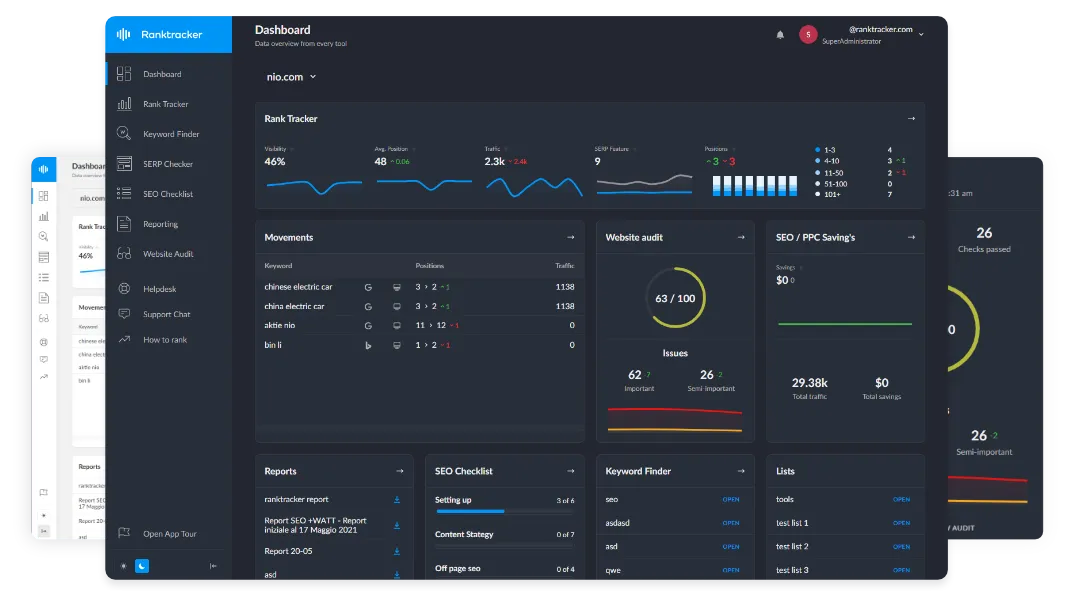
Behind every successful business is a strong SEO campaign. But with countless optimization tools and techniques out there to choose from, it can be hard to know where to start. Well, fear no more, cause I've got just the thing to help. Presenting the Ranktracker all-in-one platform for effective SEO
We have finally opened registration to Ranktracker absolutely free!
Create a free accountOr Sign in using your credentials
For example, an accounting firm specializing in small businesses could publish resources explaining common bookkeeping mistakes, cash flow management, tax preparation considerations, and financial reporting requirements. These subjects might not generate excitement in the traditional sense, but they address genuine concerns. A business owner searching for guidance on a financial problem may discover the firm through an informative article and gradually develop confidence in its expertise.
This educational approach also reflects the broader direction of modern B2B purchasing. Buyers increasingly research potential suppliers independently before contacting sales teams. They compare providers, investigate industry practices, read expert opinions, and look for evidence of credibility. Companies that consistently publish useful information can become familiar sources of guidance during this process.
Importantly, educational content should not attempt to turn every article into a sales pitch. Readers can usually recognize when an article exists primarily to promote a product or service. Providing balanced explanations, acknowledging potential limitations, and offering practical advice creates a more credible experience. The objective is to help the audience make better-informed decisions, even when the immediate result is not a purchase.
Why Authentic Industry Expertise Matters More Than Entertainment
There is a temptation to believe that successful content must be humorous, visually impressive, or designed to attract widespread attention. While creative formats can be effective, B2B audiences often value relevance and credibility more than entertainment. A detailed explanation of an industry regulation may attract fewer readers than a humorous social media post, but it could reach precisely the decision-makers a company wants to engage.
Authenticity is particularly important in specialized industries because audiences can often identify inaccurate or superficial information. An article about commercial construction, for instance, needs to reflect an understanding of project timelines, material considerations, safety requirements, and practical site conditions. General statements that could apply to almost any business are unlikely to establish meaningful authority.
Companies should therefore involve knowledgeable employees in the content creation process. Subject matter experts can provide insights that external writers or marketing teams might otherwise overlook. Interviews with engineers, operations managers, technicians, and experienced sales professionals can uncover useful details about customer questions, common misconceptions, and emerging industry challenges.
This collaboration does not mean every technical expert needs to become a professional writer. Their role can simply be to contribute knowledge, review explanations, and ensure accuracy. Skilled content professionals can then transform those insights into clear, engaging material that meets the needs of the intended audience.
How B2B Companies Can Find Interesting Content Opportunities
A useful starting point is to examine the questions customers ask most frequently. Sales conversations, customer support requests, consultations, and service appointments often reveal recurring concerns. These questions can become the foundation for articles, frequently asked questions, instructional videos, and downloadable guides.
The All-in-One Platform for Effective SEO
Behind every successful business is a strong SEO campaign. But with countless optimization tools and techniques out there to choose from, it can be hard to know where to start. Well, fear no more, cause I've got just the thing to help. Presenting the Ranktracker all-in-one platform for effective SEO
We have finally opened registration to Ranktracker absolutely free!
Create a free accountOr Sign in using your credentials
Businesses should also look beyond their products and services when identifying topics. A commercial cleaning company, for example, could explore workplace hygiene standards, employee productivity, facility management, and seasonal maintenance considerations. Although these subjects relate to its services, they provide a broader educational perspective that can attract readers who are not yet actively searching for a cleaning contractor.
Industry developments offer another valuable source of content. Changes in regulations, technological improvements, supply chain conditions, and customer expectations can all create opportunities for timely commentary. Businesses with specialist knowledge can explain what these developments mean in practical terms rather than simply repeating announcements. This positions the company as an informed industry participant instead of another organization publishing generic marketing material.
The Role of Strategic Content Planning and Professional Support
Creating interesting content consistently requires more than occasional inspiration. Businesses need a clear understanding of their audiences, appropriate topics, suitable formats, and realistic publishing schedules. Without a strategy, even companies with considerable industry expertise can struggle to translate their knowledge into a coherent marketing presence.
This is where working with a B2B content marketing agency can become valuable. Professional support can help businesses identify content opportunities, develop editorial strategies, improve search visibility, and communicate complex ideas in ways that resonate with specific decision-makers. It can also bring consistency to the publishing process, ensuring that individual articles contribute to broader marketing objectives rather than existing as disconnected pieces of information.
A well-planned content strategy should consider the different stages of the buying journey. Someone discovering an industry problem for the first time may need an introductory educational article. A reader comparing potential solutions might benefit from a detailed comparison or practical buying guide. Someone preparing to select a supplier may want case studies, technical documentation, and evidence of previous results. Providing relevant resources at each stage helps businesses maintain engagement throughout a longer purchasing process.
The All-in-One Platform for Effective SEO
Behind every successful business is a strong SEO campaign. But with countless optimization tools and techniques out there to choose from, it can be hard to know where to start. Well, fear no more, cause I've got just the thing to help. Presenting the Ranktracker all-in-one platform for effective SEO
We have finally opened registration to Ranktracker absolutely free!
Create a free accountOr Sign in using your credentials
Measurement is equally important. Page views and social media engagement can provide useful information, but they should not be the only indicators of success. Companies should also examine organic search performance, qualified enquiries, returning visitors, content-assisted conversions, and the quality of conversations generated by their resources. These measures provide a clearer picture of whether content is attracting the right audience and supporting commercial objectives.
Why the Future of B2B Content Looks More Human
As artificial intelligence makes it easier to produce large volumes of generic marketing material, genuine industry knowledge is becoming an increasingly important differentiator. Businesses can no longer assume that publishing frequently is enough to establish authority. Readers have access to an enormous amount of information, making originality, accuracy, and practical value essential.
The strongest content will increasingly reflect real experiences and informed perspectives. A manufacturer explaining lessons learned from improving production efficiency has something more meaningful to offer than another generic article about innovation. A logistics company discussing the practical realities of managing supply chain disruptions can provide insights that readers cannot easily obtain from a superficial overview of the industry.
This creates an opportunity for traditionally overlooked sectors. Their competitive advantage often lies in the depth of their experience. By sharing that knowledge openly, businesses can demonstrate expertise while helping customers understand complicated decisions. Human perspectives, expert commentary, and real-world examples make content more distinctive and trustworthy.
Conclusion
The idea that certain B2B industries are too boring to produce interesting content is increasingly difficult to defend. Every industry has challenges, decisions, people, and processes that matter to its customers. The difference between forgettable marketing and valuable content often comes down to how effectively a business communicates those realities.
Companies do not need to manufacture excitement or imitate the marketing styles of completely different sectors. They need to understand their audiences, identify the questions that matter, and translate their expertise into useful information. With thoughtful storytelling, educational resources, and a consistent strategy, even the most specialized industries can build a compelling online presence.