
Intro
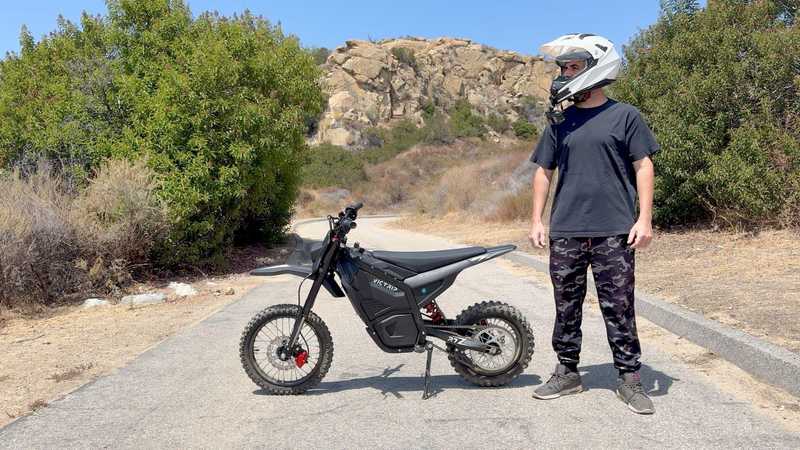
An electric dirt bike can deliver very different real-world range from one ride to the next. Even when the battery appears healthy, changes in speed, terrain, temperature, tire pressure, rider weight, and riding style can increase energy consumption. A noticeable drop in range therefore does not automatically mean the battery is failing.
The key is to determine what has changed since the bike was performing normally. By comparing similar rides and checking a few practical variables, riders can often identify the cause before replacing an expensive component. Here are seven factors that can reduce range, plus a practical way to determine which one may be affecting your bike.
Why Electric Dirt Bike Range Can Change Even When Nothing Is Broken
Range is an estimate rather than a fixed distance that every rider should expect on every ride. Real-world performance depends on how much energy the motor uses under particular conditions. A manufacturer’s range figure may come from controlled testing, while actual trail riding can involve hills, loose surfaces, repeated acceleration, and changing temperatures.
An **electric dirt bike **generally consumes more energy when the motor has to work harder. Climbing, accelerating frequently, moving through soft terrain, or carrying additional weight can increase demand on the battery. Even several small changes can produce a noticeable difference by the end of a ride.
A better comparison uses similar terrain, speed, temperature, load, and charge conditions. This helps riders distinguish normal variation from a genuine performance problem. Understanding that difference is the first step toward diagnosing unexpected range loss.
1. Riding Faster or Accelerating More Aggressively
Speed and acceleration can significantly affect energy consumption. Maintaining a higher speed generally requires more power, while repeated hard acceleration demands additional energy from the battery. A rider who changes from relaxed trail riding to aggressive riding may therefore see the battery percentage fall much faster.
The effect is especially noticeable on trails requiring frequent starts, stops, and rapid speed changes. Hard launches and repeated high-speed sections can consume more energy than a moderate, consistent pace.
The All-in-One Platform for Effective SEO
Behind every successful business is a strong SEO campaign. But with countless optimization tools and techniques out there to choose from, it can be hard to know where to start. Well, fear no more, cause I've got just the thing to help. Presenting the Ranktracker all-in-one platform for effective SEO
We have finally opened registration to Ranktracker absolutely free!
Create a free accountOr Sign in using your credentials
To investigate this factor, compare two rides on a similar route. If the bike repeatedly delivers better range when ridden more smoothly, riding style is likely contributing to the difference.
Signs include faster battery consumption during aggressive rides and better range when acceleration is smoother. Smoother acceleration and avoiding unnecessary bursts of speed can help optimize energy use without requiring a mechanical change.
2. Terrain and Riding Conditions
Dirt-bike riding conditions can vary dramatically, even across the same general area. A relatively flat trail with firm ground is usually less demanding than steep climbs, deep sand, mud, or rough terrain where the motor must work harder to maintain momentum.
Climbing requires the motor to move the combined weight of the bike and rider against gravity. Loose surfaces can add resistance and make it harder to maintain traction, while frequent stops and starts increase consumption.
When investigating reduced range, compare flat routes with repeated climbs, firm surfaces with loose terrain, and continuous riding with frequent stopping and accelerating.
A range comparison becomes more meaningful when terrain and riding conditions are reasonably similar. A demanding trail can make a healthy battery appear weaker simply because the motor is doing more work.
3. Tire Pressure and Rolling Resistance
Tires affect how efficiently a bike moves across the ground. Incorrect tire pressure can change rolling resistance, traction, handling, and overall riding feel. If pressure is significantly outside the manufacturer’s recommended range, the motor may use more energy to maintain movement.
That does not mean increasing tire pressure as much as possible will automatically improve range. Dirt bikes need a balance between efficiency, traction, comfort, and control, particularly off-road. The appropriate setting depends on the specific bike, tire, terrain, and manufacturer guidance.
The All-in-One Platform for Effective SEO
Behind every successful business is a strong SEO campaign. But with countless optimization tools and techniques out there to choose from, it can be hard to know where to start. Well, fear no more, cause I've got just the thing to help. Presenting the Ranktracker all-in-one platform for effective SEO
We have finally opened registration to Ranktracker absolutely free!
Create a free accountOr Sign in using your credentials
Checking tire pressure is a useful maintenance step when investigating an unexpected range change. Riders should also inspect the tires for visible damage or unusual wear. If the bike suddenly feels harder to roll or handles differently under similar conditions, tire pressure and condition are worth checking before blaming the battery.
4. Battery Age and Battery Condition
Battery condition becomes increasingly important as an electric dirt bike gets older. Lithium-ion batteries gradually lose some usable capacity through normal aging and repeated use. As available capacity declines, the distance a bike can travel on a full charge may also decrease.
However, gradual battery degradation should be distinguished from a sudden range reduction. A slow decline over an extended period can be consistent with normal aging, while an abrupt change may have another explanation.
Usage patterns, charging practices, storage conditions, and temperature can also influence battery performance, so age alone does not reveal its complete condition.
If range has declined gradually, battery aging may be a contributing factor. If the change happened suddenly, check charging behavior, riding conditions, tires, and temperature before concluding that the battery needs replacement.
A battery showing physical damage, swelling, unusual heat, or other warning signs should be assessed by a qualified professional. Riders should not open or modify a battery pack without appropriate technical expertise.
5. Cold Weather and Extreme Temperatures
Temperature can influence battery performance, particularly during cold-weather riding. Battery chemistry does not behave identically across all temperatures, so the same bike can produce different real-world results in cold conditions compared with moderate weather.
An important distinction is the difference between temporary performance changes and permanent battery degradation. A reduction in available range during colder conditions does not automatically mean the battery has been permanently damaged.
If a bike normally performs well in moderate weather but loses range during significantly colder rides, temperature may be contributing to the difference. This is particularly important when comparing a current ride with one completed during a different season.
Follow the manufacturer’s recommendations for operating, charging, and storing the battery. If range returns closer to normal when conditions become moderate, temperature was likely a meaningful factor. If reduced range continues under similar conditions, other causes deserve attention.
6. Rider Weight and Additional Load
The motor has to move more than the bike itself. It also has to accelerate and carry the rider, protective equipment, cargo, and additional accessories. A greater combined load can therefore increase energy consumption, especially during acceleration and uphill riding.
A rider carrying extra equipment may therefore use more energy than during a short recreational ride with minimal cargo. The effect becomes more noticeable when extra weight is combined with demanding terrain, particularly steep climbs.
When comparing rides, consider rider and cargo weight, protective equipment or accessories, terrain and elevation, and the amount of stop-and-go riding.
Accounting for these variables makes it easier to distinguish normal energy consumption from an actual battery or electrical problem.
7. Charging Problems and Electrical Issues
Sometimes reduced range is related to the charging system or another electrical issue rather than riding conditions. If the battery is not reaching its expected charge level, the bike may naturally travel a shorter distance even though the battery has not necessarily lost all of its capacity.
Basic checks include charger operation, accessible connections, and whether the battery reaches its expected charging state. Riders can also compare current charging behavior with what they observed when the bike was performing normally.
Not every electrical problem is visible. Battery-management, wiring, or internal battery issues may require professional diagnostic equipment. Because lithium-ion batteries can present safety risks, riders should not open or modify a battery pack without appropriate expertise.
Unusual heat, swelling, physical damage, or major changes in charging behavior warrant professional inspection rather than trial-and-error repairs. This is especially important when a range problem appears suddenly and cannot be explained by riding conditions.
How to Find the Actual Cause of the Range Loss
Before assuming the battery needs replacement, identify what changed between a normal ride and the rides where range declined. A controlled comparison is more useful than relying on memory alone.
Before assuming something is wrong with an Electric Dirt Bik_e_, compare its current performance with previous rides made under similar conditions. Start with a properly charged battery, check tire pressure, note the temperature, and pay attention to speed, acceleration, terrain, and load.
A practical troubleshooting process is:
- Confirm a full, normal charge.
- Check tire pressure against the manufacturer’s recommendation.
- Record the temperature.
- Compare riding speed and acceleration.
- Consider terrain and elevation.
- Account for rider and cargo weight.
- Compare the result with similar previous rides.
Patterns can reveal useful clues. Range loss mainly during high-speed riding points toward riding style, while a decrease only in cold weather points toward temperature. Persistent loss across similar rides may justify closer inspection of the battery or charging system.
Testing under comparable conditions also reduces the chance of blaming the wrong component. The goal is to eliminate normal variables before treating the situation as a component failure.
How to Improve Your Electric Dirt Bike’s Riding Range
Once the likely cause has been identified, the solution may be relatively simple. Riders cannot control every factor, but they can often reduce unnecessary energy consumption through appropriate maintenance and riding habits.
Smooth acceleration and a consistent pace can help avoid unnecessary energy use. Keeping tires within the manufacturer’s recommended pressure range can support appropriate rolling performance. Reducing unnecessary cargo and planning routes around especially demanding terrain may also help when maximum range matters.
Follow the manufacturer’s charging and storage recommendations, especially when planning longer rides in unusual temperatures. Good battery-care practices are more useful than relying on generic advice that may not apply to every model or battery system.
Avoid modifications intended to increase range if they could compromise safety or reliability. The objective is to use the bike efficiently while keeping the battery, tires, and electrical system within their intended operating conditions.
When Is It Time to Consider Another Bike?
Sometimes a range concern is not caused by a fault. A rider’s needs may simply have changed. Someone who once used a bike for short recreational rides may eventually begin taking longer trips, riding steeper trails, or carrying additional equipment.
The All-in-One Platform for Effective SEO
Behind every successful business is a strong SEO campaign. But with countless optimization tools and techniques out there to choose from, it can be hard to know where to start. Well, fear no more, cause I've got just the thing to help. Presenting the Ranktracker all-in-one platform for effective SEO
We have finally opened registration to Ranktracker absolutely free!
Create a free accountOr Sign in using your credentials
The useful question is whether the bike’s specifications match current requirements. Comparing battery capacity, expected range, charging characteristics, weight, motor performance, and intended terrain can help when evaluating different ebikes for sale.
A replacement should not be the first response to every range complaint. Understanding the cause first makes it easier to determine whether maintenance is enough or whether a different bike would genuinely provide a better fit.
Conclusion
A drop in riding range does not automatically mean an electric dirt bike battery has failed. Speed, acceleration, terrain, tire pressure, battery condition, temperature, rider load, and charging or electrical issues can all influence real-world performance.
The most reliable approach is to compare rides under similar conditions and change one variable at a time where possible. This helps separate normal differences in energy consumption from problems that deserve further inspection.
For riders exploring practical electric riding options, VICTRIP EBikes offers additional information to help make more informed decisions about electric bikes and their capabilities.
FAQs
1. Why is my electric dirt bike losing range?
A reduction in range can result from several factors, including higher riding speeds, aggressive acceleration, demanding terrain, incorrect tire pressure, colder temperatures, additional rider or cargo weight, battery aging, and charging or electrical problems. Comparing current performance with previous rides under similar conditions can help identify the likely cause.
2. Does riding faster reduce electric dirt bike range?
Yes. Higher speeds and repeated hard acceleration generally require more energy from the battery. Riders who frequently accelerate aggressively or maintain higher speeds may therefore experience shorter range than when riding at a moderate, consistent pace.
3. Can cold weather affect electric dirt bike battery range?
Yes. Cold temperatures can temporarily affect battery performance and reduce available range. This does not necessarily mean the battery has suffered permanent damage. If performance improves when temperatures return to more moderate conditions, temperature may have been a significant factor.
4. Does tire pressure affect electric dirt bike range?
Yes. Tire pressure can influence rolling resistance, traction, handling, and energy consumption. However, riders should follow the tire-pressure recommendations provided by the manufacturer rather than assuming that higher or lower pressure will automatically improve range.
5. How can I tell if my electric dirt bike battery is losing capacity?
Look for a consistent reduction in range across rides with similar speed, terrain, temperature, tire pressure, load, and charging conditions. A gradual decline over time can be associated with normal battery aging, while a sudden reduction may indicate another issue that should be investigated.

