
Intro
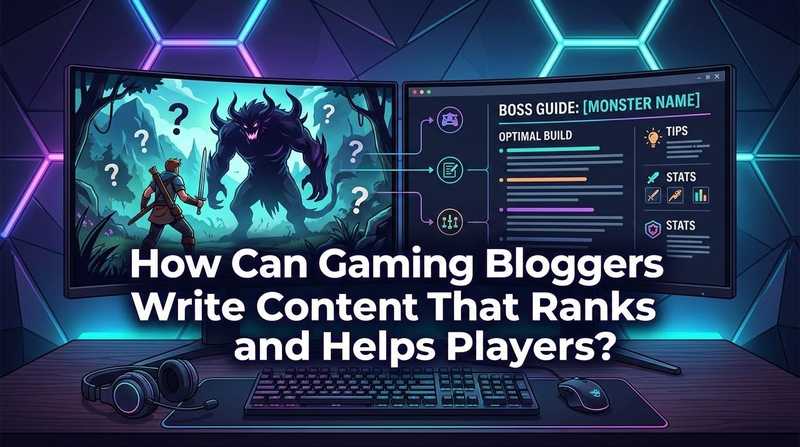
Getting traffic to a gaming blog is brutal right now. You're competing with massive wiki sites, aggregate forums, and video guides that dominate the front page. Most independent bloggers fail because they try to out publish the giant media networks on breaking news or generic game reviews. That's a losing battle. The revenue and the recurring traffic actually live in hyper specific utility content.
Players don't care about your prose when they are stuck on a boss fight or trying to optimize a resource farm. They want the answer fast so they can get back to their screen. Winning in this niche requires treating your blog like a searchable database of solutions rather than a personal diary of your gaming experiences.
Stop Chasing Volume and Start Solving Problems
Search volume metrics are heavily deceiving in the gaming industry. A keyword research tool might show 50,000 monthly searches for a new release, but writing a generic overview will get you buried on page ten. The trick is targeting player frustration. People hit search engines when a game mechanic is poorly explained, a quest is bugged, or they keep dying to the same encounter.
You have to actually play the games you write about. That sounds obvious, but you can always spot a guide written by someone scrubbing forums for answers. When you play, you hit the same progression walls your readers do. Documenting exactly how you bypassed those walls becomes your content strategy. If you spent two hours figuring out how to connect power lines in a base builder, write down exactly how you did it. Include map coordinates, screenshots of your inventory, and exact stat requirements. That level of operational detail is what beats the generic wikis.
Structuring Guides for Scannability
Assume your reader has their game running on their main monitor and your blog open on a phone or second screen. They don't have time for a three paragraph introduction about the history of the franchise or the lore of the area.
Put the solution right at the top. If the article is about finding a specific crafting item, the map location and drop rate should be in the first hundred words. You can add the context and alternative farming methods below for those who want to stick around.
Look at how the ecosystem works for survival crafting titles. If you are putting together a list of Palworld game tips for early progression, you need to format it so a player can glance at it between raids. Use bullet points for material costs. Bold the names of NPCs or specific zones. Strip out the filler and leave only the actionable steps. This keeps your bounce rate low because the reader found what they needed immediately, which sends a strong signal to search engines that your page actually answered the query.
The Technical Side of Standing Out

The All-in-One Platform for Effective SEO
Behind every successful business is a strong SEO campaign. But with countless optimization tools and techniques out there to choose from, it can be hard to know where to start. Well, fear no more, cause I've got just the thing to help. Presenting the Ranktracker all-in-one platform for effective SEO
We have finally opened registration to Ranktracker absolutely free!
Create a free accountOr Sign in using your credentials
Getting the content right is just the baseline. Getting people to click your link instead of a Reddit thread is the next hurdle. A lot of this comes down to how your articles look on search engine result pages and social feeds.
You want clean meta descriptions that actually answer the query partially, proving you have the goods. When pushing your guides to platforms like Twitter or Discord to build an audience, formatting helps cut through the noise. Some publishers use a Unicode text converter to add custom fonts or specific symbols to their social posts so their links visually stand out in a crowded timeline. It's a small trick, but in saturated spaces like gaming Twitter, grabbing the eye for an extra half second is enough to earn the click.
Keep the site code itself clean too. Fast load times and aggressive caching matter immensely. Gamers are an incredibly impatient demographic. If your site takes four seconds to load because of heavy display ad scripts, they will hit the back button and find another source.
Hitting the Right Pitch
Gamers are cynical. They have a finely tuned radar for corporate speak or inauthentic writing. If your article sounds like a washing machine manual, they check out. If it sounds like a hyperactive streamer screaming for attention, it gets exhausting to read.
You want to aim for the tone of an experienced guildmate. You know what you're doing, you're happy to explain it, but you aren't going to waste time. A lot of newer writers struggle with finding this balance. They either write too stiffly or try too hard to be funny. If you know your draft is structurally good but sounds a bit rigid, you might run it through an online tone rewriter just to see how a different phrasing could loosen it up. But the absolute best way to fix tone is simply reading your draft out loud. If you wouldn't actually say the sentence to a friend over voice chat, rewrite it. Authentic authority comes from accuracy, not from trying to sound smart.
Updating Content as the Meta Changes
Publishing a guide is not a one time event. Live service games update constantly. Weapon stats get nerfed, spawn rates change, and entirely new mechanics are introduced. A guide that ranked number one in January will plummet by April if a developer patch invalidates your advice. You need a reliable system for maintaining your top performing pages. Track the patch notes for the games driving your traffic. When a major update hits, go back into your old guides and add a note at the top verifying that the information is still accurate for the current patch. If things changed, update the core details immediately.
Search algorithms heavily favor fresh and accurate content in the gaming space. A well maintained guide from two years ago that gets updated every season will consistently outrank a newly published article that lacks historical authority. Treat your best articles like living documents. That is how you build a reliable resource that players actually bookmark and trust over the long haul.

