Intro
Gamers or consumers search and ask questions daily. They want to find what they need, be it dates of events, favourite builds for a certain character, prices of top up's and most importantly somewhere safe to buy. If a digital marketplace shows at the right time, at the top of the searches, in the right language, it could win a customer or consumer. And marketplaces that don't appear may not or never be noticed ever.
Getting in touch with many players or consumers is easier said than done, since these gaming communities are spread over a number of countries, in numerous languages, and on various platforms. A global gaming platform such as LootBar, which connects players with game top-ups and other digital gaming products, encounters this challenge on a daily basis.
Why Global Gaming Communities Are Hard to Reach
Here's a real-world example. A player in Germany, a player in Brazil and a player in Indonesia all want the same thing in the same game. Yet, those players seldom type the same queries. They speak different languages, have different slang and they even call the same game, character, or currency by different names.
Demand also comes in waves. When a new patch, limited event, or new season arrives, huge numbers of players can be searching on the very same day, and a marketplace that isn’t prepared before the wave hits will often miss it.
The trust barrier is also another problem, players don't want to get scammed or hack the account so they read the text very carefully before actually doing a transaction. Payment behaviors and currency types vary a lot from one country to another. A marketplace has to provide a solution for all of that at once.
What a Strong SEO Foundation Looks Like
Great visibility often begins with a few simple principles. Marketplaces that perform well tend to have the same characteristics:
- Game-focused keywords. Players usually search for a game name plus what they need, like “top up,” “gift card,”,”guides” or “how to redeem.”
- Clear page for each product. Instead of thin pages with similar titles of pages, each game or product has its own page with a unique title and description.
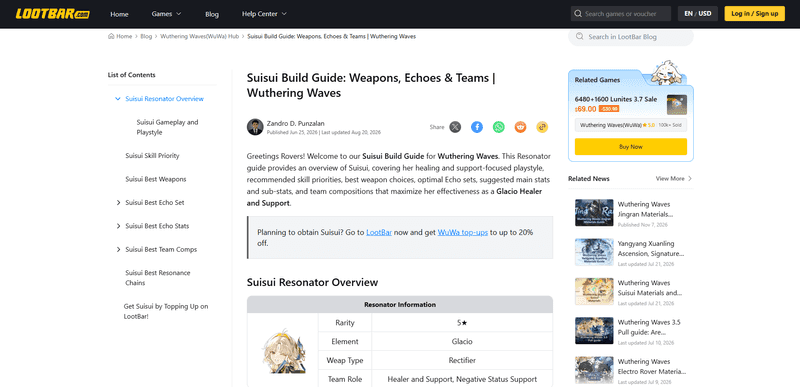
- Helpful guides or tips. Articles or blog on safe top-ups, redeeming codes, and event timing answer real questions and reach readers before they are ready to buy.
- A fast, clean, and neat site. Many of the players or consumers usually browse using their phones for convenience, so a fast, tidy URLs, and good internal links will matter.
- Visible trust and legit signs. Clear information like delivery times, support options(customer support), and refund rules help players or consumers to make a good decision and can decide with confidence.
Why Localization Goes Beyond Translation
A multilingual site offers content in more than one language, while a multi-regional site targets users in different countries. Many gaming marketplaces are both. The general or usual approach is to give or provide each language or region its own thing, like page address and adding “hreflang” tags, which tells search engines which version fits the players or consumers depending on what language or where they are.
Translation alone is not enough. Google uses the visible content of a page to determine its language, and it notes that translating only menus and labels while leaving the main content in one language can create a bad user experience. That’s why it helps to have fluent speakers review translated pages.
Localization also goes further than words:
- Separate keyword research for each language, since players in different markets use different search terms.
- Local game names and slang, where players actually use them.
- The right currency and payment options for each market.
How Community Engagement Builds Awareness
Search visibility is not only about pages, it also depends on where players are and where players talk. Discord servers, Reddit threads, YouTube channels, and local forums are generally or usually all places where players ask for advice and recommend stuff.
The All-in-One Platform for Effective SEO
Behind every successful business is a strong SEO campaign. But with countless optimization tools and techniques out there to choose from, it can be hard to know where to start. Well, fear no more, cause I've got just the thing to help. Presenting the Ranktracker all-in-one platform for effective SEO
We have finally opened registration to Ranktracker absolutely free!
Create a free accountOr Sign in using your credentials
Marketplaces that earn trust in these places usually try to help first. They answer questions in an honest way. They share a useful guide when it fits the topic. They do not post links in every chat. Players notice spam quickly, and it can hurt a brand. Some marketplaces also work with creators who really play the game. This can work well when the partnership is shown clearly and the reviews are honest.
Community questions are useful too. If many players ask the same question, it is a good topic for a new guide or FAQ. Over time, helpful content makes a brand better known. Then players can search for the brand name directly, and that makes the marketplace easier to find.
| Challenge | How marketplaces tend to respond |
| Many languages | Separate localized pages with hreflang tags |
| Different search words | Keyword research for each market |
| Trust concerns | Clear delivery, support, and refund information |
| Event-driven demand | Guides published before patches and events |
| Low awareness | A helpful, honest presence in player communities |
Measuring Visibility Market by Market
Finally, results need to be measured. Marketplaces can break down search performance by country, by language version, and by page to see which guides bring in visitors. The most-visited pages can be refreshed before big events, and pages that confuse users or load slowly can be fixed. What works in one location might require adjustment in another.
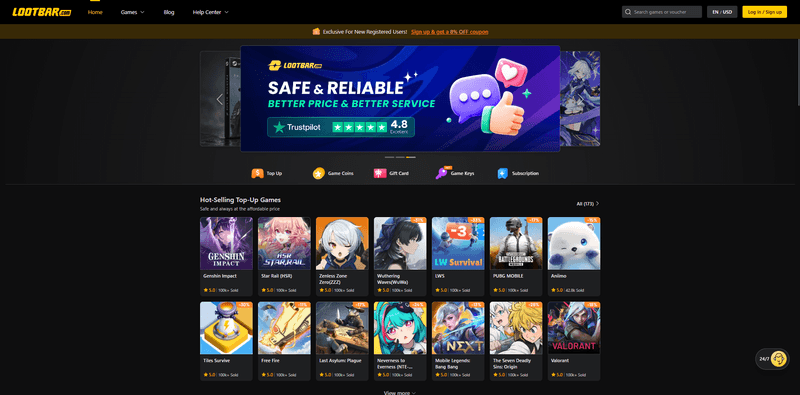
A good illustration of this is LootBar, a global game store that sells game top-ups, gift cards, game keys, and subscriptions. Its site can be switched between 12 languages, including Japanese, Bahasa Indonesia, Spanish, and Arabic, and prices can be shown in local currencies such as Thai baht, Brazilian real, and Vietnamese dong, so players in different markets can shop in a language and currency they know.
Conclusion
How to get to your global player communities it takes more than a good product to reach players worldwide. Good SEO fundamentals, detailed localization, and a genuine presence in the world of player conversations all go hand in hand. Let helpful pages get players in, trusted localized content nurture them, while being found and trusted in every player country turns them into a returning community. Measuring each step towards success in every player market will let your digital marketplace become easier to find, no matter where your players live.