
Intro

- Prepared by the asset analysis team at Zilocar, specializing in unalterable vehicle history tracking and secondary market due diligence.
- Comprehensive digital lookups using specialized platforms expose hidden historical total-loss records instantly before capital deployment.
- Standardized 17-character sequences encode unique structural data points that reveal a vehicle's precise country, factory, and component origin.
- Physical check protocols require cross-referencing identification plates on the dashboard, door jamb, and structural framework elements.
- Manual physical title inspections remain mandatory to check for printed regulatory brands like salvage, rebuilt, or flood damage.
Evaluating Secondary Automotive Assets as Capital Investments
Automotive buyers face severe financial risks when they acquire pre-owned vehicles with undisclosed history defects. Unrecorded accidents and structural trauma depress asset value and compromise occupant safety. In this guide, you will learn how to verify an asset's legal status using standardized identification methods. Accurate vehicle identification remains the single most critical step before you deploy capital in the secondary market.
When traders diversify capital into physical assets like corporate vehicle fleets or secondary market automobiles, information symmetry becomes vital. The pre-owned automotive market behaves similarly to unregulated financial markets, where hidden liabilities directly impact baseline valuations. Sophisticated asset buyers must approach these acquisitions with the same algorithmic discipline they apply to financial derivatives. Failing to identify historical structural trauma can result in immediate capital depreciation and total regulatory non-compliance.
This comprehensive guide establishes an exact, data-driven methodology to isolate and expose hidden title defects before contracts are signed. By viewing a vehicle as a depreciating asset class, investors can protect their capital from deceptive market practices. We will examine how international tracking systems interact with state legal frameworks to maintain transaction transparency. Adhering to these structural inspection protocols ensures that your physical asset allocations remain secure, liquid, and fully insurable over their operational lifecycles.
What is a Salvage or Rebuilt Title?
A salvage title indicates an insurance corporation deemed a vehicle a total financial loss due to severe damage. A rebuilt title certifies that a salvaged vehicle underwent extensive mechanical reconstruction and successfully passed official state safety inspections. This legal designation permits the vehicle to re-enter public roads as a registered asset.
The Mechanics of a Salvage Title
Insurance companies issue a salvage title when repair costs approach or exceed the actual cash value of the vehicle. This financial threshold typically ranges from 60% to 90% of the car's documented market value. Once state authorities stamp this designation onto the title, the vehicle loses its standard registration immediately. This legal modification means the asset cannot operate on public roads until it satisfies extensive statutory criteria.
Specific criteria for total-loss designations vary by jurisdiction and include severe collision impact, major flood immersion, or unrecovered theft. The salvage brand permanently attaches to the vehicle’s master file within national title registration systems. This unalterable historical status alerts future institutional buyers to the asset's history of catastrophic physical trauma. Understanding this dynamic prevents asset managers from overpaying for vehicles that carry severe underlying material damage.
The Transition to a Rebuilt Title
Licensed rebuilders frequently purchase salvage vehicles at commercial salvage auctions to reconstruct them for market re-entry. These automotive professionals replace damaged structural components, deploy new safety restraint systems, and restore baseline mechanical functionality. The reconstructed vehicle must then undergo a rigorous physical inspection managed by state transport authorities. These specialized state mechanics verify that all replaced components meet baseline commercial safety thresholds.
A successful inspection transforms the legal status of the vehicle from a salvage title to a rebuilt title. State motor vehicle departments issue a new physical title document reflecting this updated status field. This revised brand signifies the vehicle meets minimum roadworthiness standards for public road integration. However, its underlying resale value remains permanently altered, typically trading at a steep discount compared to unbranded equivalents.
Mitigating Risk and the Role of Data Verification
Deceitful market participants frequently attempt title washing by transferring branded vehicles across multiple state lines rapidly. This illicit practice aims to exploit administrative synchronization loopholes in disconnected state registration databases. By washing the title, bad actors temporarily clear negative history marks from the physical documentation. Buyers must proactively protect their investment capital from these hidden structural and legal liabilities.
Comprehensive digital platforms provide necessary data clarity during the pre-purchase asset evaluation phase. You can utilize specialized services like Zilocar to run an unalterable history search on your prospective purchase. This proactive step allows you to check for a salvage title by VIN before you execute any financial contract. Relying on verified digital registries eliminates reliance on verbal disclosures and secures your structural risk mitigation protocol.
The All-in-One Platform for Effective SEO
Behind every successful business is a strong SEO campaign. But with countless optimization tools and techniques out there to choose from, it can be hard to know where to start. Well, fear no more, cause I've got just the thing to help. Presenting the Ranktracker all-in-one platform for effective SEO
We have finally opened registration to Ranktracker absolutely free!
Create a free accountOr Sign in using your credentials
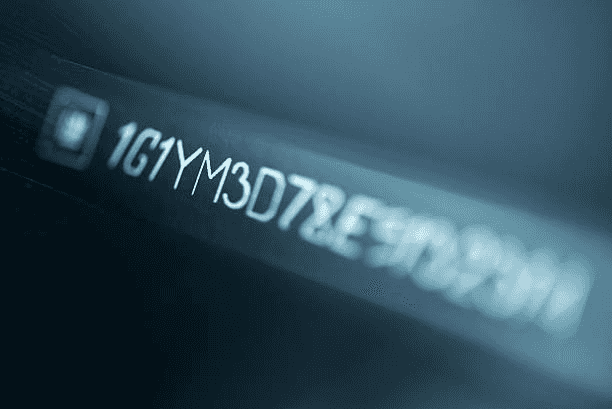
The Anatomy of a Vehicle Identification Number (VIN)
A Vehicle Identification Number is a standardized 17-character alpha-numeric code that functions as a vehicle's unalterable genetic fingerprint. This sequence encodes precise manufacturing, geographical, and mechanical data. International regulations ensure no two vehicles produced within a 30-year window share an identical string.
The World Manufacturer Identifier (WMI)
The first three characters of the alphanumeric string constitute the World Manufacturer Identifier cluster. Character one identifies the geographic region and specific country of final origin, such as the United States, Germany, or Japan. Character two defines the specific manufacturing corporation responsible for the initial build sequence. Character three designates the specific vehicle division or assembly plant category, differentiating passenger cars from commercial cargo platforms.
The Vehicle Descriptor Section (VDS)
Characters four through eight comprise the Vehicle Descriptor Section of the standardized alphanumeric string. This segment outlines the vehicle's structural and mechanical attributes according to proprietary manufacturer matrix lookup keys. The encoded data explicitly identifies the body style, engine architecture, platform type, and installed brake configurations. You can review the exhaustive coding structures and federal compliance criteria directly via the NHTSA Federal Motor Vehicle Safety Standards repository.
The Mathematical Check Digit
Character nine serves as a highly precise security feature known throughout the automotive industry as the check digit. A complex computer algorithm multiplies characters one through eight and ten through seventeen by specific mathematical weights. The final sum is divided by the modulus eleven, and the remainder dictates a check digit from zero to nine or the letter "X." This automated verification step exposes fraudulent attempts to clone or alter a vehicle's identification plate. It also prevents manual data entry typos during high-volume vehicle registration processes across state lines.
The Vehicle Identifier Section (VIS)
The final eight slots form the Vehicle Identifier Section, which tracks localized production details down to the assembly line. Character ten identifies the precise model year based on a rotating 30-character cycle of capital letters and digits. To prevent optical confusion with numbers, manufacturers systematically exclude the letters I, O, Q, U, and Z from this specific position. Character eleven encodes the internal factory plant code where workers completed final vehicle assembly procedures. Characters twelve through seventeen represent the unique sequential serial number that tracks the vehicle's exact order off the final assembly line.
Where Can You Find the Physical and Electronic VIN Locations?
Manufacturers permanently embed the unique 17-character identification string into multiple physical locations and internal electronic modules. These multiple touchpoints prevent vehicle component cloning, title washing, and odometer fraud. Cross-referencing these separate locations reveals whether a vehicle's major structural components match its official history.
Primary Visual Locations
The primary visual location is a stamped metal plate secured permanently to the driver's side dashboard. Drivers can easily read this string from outside the vehicle by looking through the lower edge of the windshield glass. A secondary primary location is the certified federal safety label affixed to the driver's side door jamb or B-pillar post. These external markings must match each other perfectly without any signs of scratching, tearing, or physical riveting anomalies.
Secondary Structural Stamps
Law enforcement authorities and professional automotive inspectors utilize secondary identification points hidden deeper inside the vehicle framework. Technicians stamp the complete 17-character sequence directly onto the structural chassis, the engine block, and the front firewall. These structural stamps aid authorities in recovering stolen components after illicit parts-stripping operations. If the engine block stamp differs from the dashboard plate, the asset has likely undergone an unrecorded major component swap.
Electronic Synchronization via OBD-II
Modern automotive architectures protect vehicle data integrity through advanced digital synchronization protocols. The physical identification string is programmed directly into the engine control unit and associated electronic sub-modules during factory configuration. Pre-purchase inspectors connect specialized diagnostic equipment to the On-Board Diagnostics II port to read this broadcasted internal code. Any mismatch between the digital readout and the physical metal plates indicates severe system tampering or odometer manipulation.
How Do You Verify a Title Brand Before Finalizing a Purchase?
Verifying a vehicle title brand requires a systematic strategy that combines electronic database queries, certified mechanical assessments, and physical document inspections. This multi-layered approach isolates fraudulent activity and protects buyers from purchasing dangerous structural liabilities. Relying on a single data source increases your exposure to transaction fraud.
Database Registries and Electronic Queries
The first line of defense involves querying comprehensive historical databases using the verified 17-character alphanumeric string. National motor vehicle title information systems compile real-time total-loss records from insurance networks and state salvage auctions. You can access these primary government-mandated history registries directly through the official NMVTIS Consumer Access Portal to check for active brands. Institutional investors utilize these automated database queries to screen out branded assets during large-scale procurement operations.
Professional Pre-Purchase Inspections
Electronic records remain subject to data reporting delays, creating brief information gaps that dishonest sellers exploit. A physical inspection by a certified structural technician remains mandatory to identify unrecorded asset damage. Mechanics place the vehicle on a hydraulic lift to inspect the frame rails for hidden welding marks and unoriginal structural sealants. They also check for fresh paint overspray, which frequently indicates recent body panel reconstruction following a catastrophic collision.
Physical Document Inspections
The final verification step requires a manual review of the physical vehicle title document presented by the vendor. Buyers must inspect the face of the paper form for prominent state-issued brand notations. Phrases such as "Salvage," "Rebuilt," "Flood," or "Reconstructed" are legally mandated to appear in distinct colored fields. You must also verify the physical security features of the paper, including reactive watermarks and latent background patterns designed to deter counterfeiters.

Summary and Investor Takeaways
Cross-referencing physical vehicle components with digital history databases forms an essential risk-management framework for secondary market buyers. Verifying the unalterable 17-character structural fingerprint isolates asset defects and protects investment capital. Thorough technical due diligence separates secure automotive acquisitions from catastrophic financial losses.
Systematic Data Verification
Data transparency represents your ultimate defensive tool in the highly competitive pre-owned vehicle marketplace. Understanding the mathematical structure of the identification sequence prevents you from accepting altered documentation. Accurate physical mapping ensures all major body panels belong to the original factory configuration, preserving future liquidation value. Asset managers must implement these automated data checks as a standard operating procedure across all physical asset acquisitions.
Capital Protection Rules
Treating a major secondary market vehicle acquisition with strict financial discipline ensures long-term capital safety. Executing comprehensive electronic database queries removes information asymmetry between buyers and sellers instantly. Deploying professional physical inspections mitigates your downside risk and ensures the underlying asset retains its projected valuation. By combining digital authentication with physical mechanics, you protect your capital allocations from structural fraud.
Frequently Asked Questions
What is the difference between a salvage title and a rebuilt title?
A salvage title signifies a vehicle is legally non-drivable due to severe total-loss damage. A rebuilt title specifies that a salvaged vehicle passed official state safety inspections after comprehensive repairs.
Can you legally drive a car with a salvage title?
Public road operation remains strictly prohibited for any vehicle holding an active salvage title. Authorities require full reconstruction and a state safety inspection before restoring legal operating privileges.
How do insurance companies determine if a vehicle is a total loss?
Actuaries compare estimated structural repair costs against the actual cash value of the vehicle asset. Total loss designations occur when these repair costs breach a specific percentage threshold defined by local legislation.
Is it difficult to secure financing for a vehicle with a rebuilt title?
Conventional banking corporations frequently deny auto loans for assets holding branded histories due to valuation uncertainties. Specialized lenders accommodate these transactions but impose higher interest rates and lower loan-to-value limits.
How much value does a rebuilt title strip from a vehicle?
A branded title permanently reduces the secondary market resale value by roughly 20% to 40% compared to identical clean-title assets. This capital depreciation remains permanent regardless of the physical repair quality.

