Intro
Choosing a logistics partner affects more than freight bills. It shapes inventory movement, delivery times, and how teams respond when plans change. Businesses should assess how well a provider’s operations align with their requirements before comparing prices. A capable provider needs processes that match the company's products, sales channels, and growth plans. A few practical checks can show whether a proposed relationship will support daily operations and changing demand. Start by checking whether the provider's scope matches the work.
A business should map its outsourcing requirements before approaching potential providers. A logistics services company should be assessed against specific tasks, such as storage, order preparation, transportation coordination, and returns processing. Each added task changes staffing, handoffs, and reporting needs. A clear scope lets buyers compare proposals against the same requirements rather than general service claims.
Match Services to Operating Needs
A retailer shipping to stores has different requirements from a business sending individual orders to homes. Buyers should ask which tasks the provider handles directly, which depend on subcontractors, and where responsibility changes hands.
Written process maps clarify receiving, storage, picking, packing, dispatch, delivery, and returns. They can also expose gaps, such as a return reaching the warehouse without an assigned inspection step. Before signing, define who is responsible for each task and what record needs to be maintained.
Check Capacity Under Real Demand
Capacity should fit normal volume and predictable peaks. Share a representative order profile that includes product mix, order sizes, seasonal surges, and special handling needs. Ask how the provider assigns labor and space when volume rises, and what limits trigger extra fees or longer processing times.
Discuss a sudden backlog, a late inbound shipment, or a changed forecast. Specific examples show whether the plan accounts for staffing and clear priorities. A capacity discussion based on actual demand gives a more useful picture than a general assurance of room to grow.
Test Inventory Visibility and Data
Inventory records should show what arrived, where it was placed, and whether it is available to promise. Ask how quickly the provider records receipts, updates stock levels after orders are picked, and flags damaged or held goods. Delayed updates create mismatches between sales records and the stock available to ship.
Request a sample report and check whether staff can trace a transaction from receipt through dispatch. The report should separate available stock from reserved, damaged, or pending inventory. Agree on who investigates discrepancies and how corrections are communicated to purchasing and customer service systems.
Review Transportation Control
Transportation control requires more than a quoted transit time. Ask who selects carriers, tracks loads, confirms delivery, and contacts the business when a shipment is delayed. Clarify whether one team handles those tasks or passes them between parties. Each handoff needs a designated contact person and a record of the information exchanged.
Review how the provider handles missed appointments, incomplete deliveries, and freight damage. Ask what information appears in shipment updates and how staff report and escalate delivery problems. A clear process lets customer service provide accurate updates instead of relying on scattered messages or unverified estimates.
Measure Service and Accountability
Service targets should define measurable work, not make broad promises. Agree on how the provider reports order accuracy, receiving delays, inventory variance, and on-time dispatch. Define the reporting period and data source, and explain how either side can correct an error. Both parties need to interpret the measures consistently.
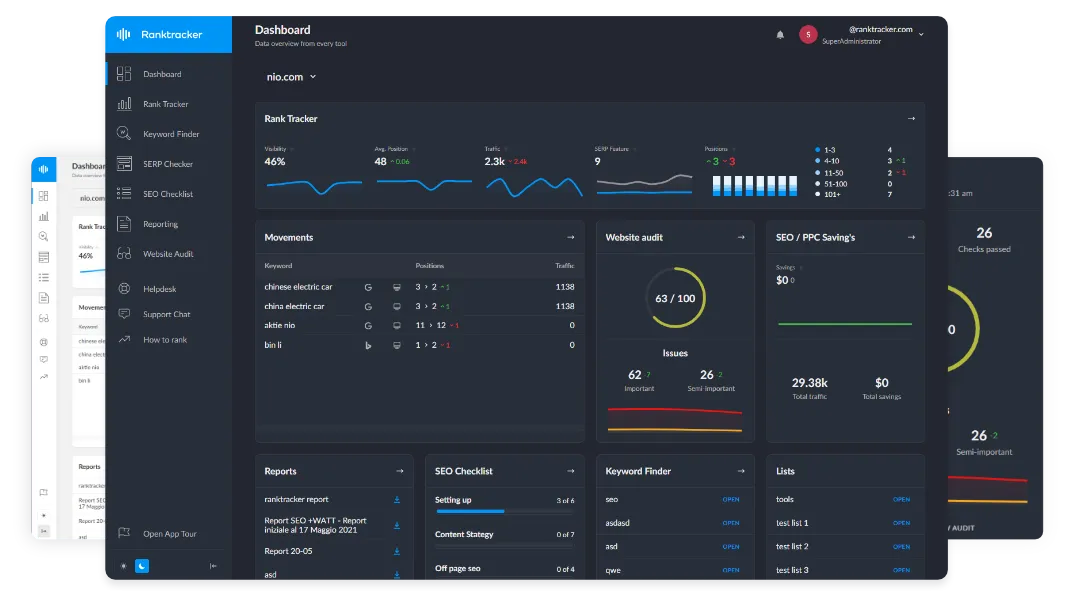
The All-in-One Platform for Effective SEO
Behind every successful business is a strong SEO campaign. But with countless optimization tools and techniques out there to choose from, it can be hard to know where to start. Well, fear no more, cause I've got just the thing to help. Presenting the Ranktracker all-in-one platform for effective SEO
We have finally opened registration to Ranktracker absolutely free!
Create a free accountOr Sign in using your credentials
Assign decision-makers from operations, finance, and customer service to regular reviews. Each review should cover missed targets, recurring causes, open corrective actions, and owners. Clear exception records give the business a basis for judging whether a process change worked.
Compare Costs Beyond the Rate
Compare the full cost of the arrangement, not just the base handling or transportation rate. Ask which activities create extra charges, such as storage, special packing, returns, or urgent dispatch. Confirm how billing reflects order volume, inventory held, and work outside the agreed scope. Clear fee definitions reduce disputes once activity begins.
Compare the internal work each proposal leaves behind, too. A lower rate can require more coordination, manual data entry, or customer service follow-up. Estimate those demands alongside provider charges, then check the estimate against actual workflows. This gives a clearer cost picture than a price sheet alone.
Plan for Change and Continuity
Business needs shift as products, channels, and order patterns change. Ask how the provider accommodates changes such as new packaging requirements, additional sales channels, or revised returns procedures. The agreement should identify who evaluates a request, how its effects are documented, and when revised procedures take effect.
Review continuity in practical terms. Ask how inventory and order records remain accessible during system outages, staffing disruptions, or facility problems. Identify who coordinates recovery and what steps protect open orders. A written transition plan should explain how inventory and records move if the relationship ends.
Conclusion
A practical next step is to give each finalist the same shipment profile and request a sample operating plan. Compare the assumptions, reports, escalation path, and fee triggers side by side. If the provider cannot explain who owns each handoff or how exceptions reach the right team, resolve those gaps before transferring inventory. The best fit is a logistics partner whose documented processes, service capabilities, and operating capacity align with the business's actual requirements.