Intro

Information gain has become the deciding factor that separates ranking content from invisible content. A short post with one original insight can now outrank a detailed guide that repackages existing sources. Length has become a tie-breaker, not a ranking input, and we've watched aggregated content lose visibility in every industry.
Google's core update increased the weighting of information gain as a ranking factor. The update prioritizes content that introduces new data or proprietary research. Semantic SEO and E-E-A-T principles now also reward content differentiation over keyword density. This move affects how your content performs in traditional search and AI Overviews citations.
We'll show you how to conduct competitive gap analysis and integrate proprietary data. You'll learn to build information gain into your content strategy to outrank competitors targeting the same keywords.
Traditional Keyword Optimization Fails in Saturated Markets
Target keyword repetition at a specific frequency stopped working years ago, yet businesses still ask about ideal keyword density percentages. Matt Cutts stated already back in 2011 that this approach isn't how search engines function. John Mueller reinforced this in 2014. So, both old and modern algorithms was, and is ment to work in a different way. TF-IDF and embedding models discount terms the more they appear. A page using its target term forty times can perform worse than one using it fourteen times if placement beats volume.
The larger problem extends beyond abandoned tactics. You operate in saturated markets where competitors have spent a decade building their SEO foundation, and traditional optimization becomes table stakes rather than an advantage. Your competitors have clean title tags, optimized H1 elements, and thousands of reviews.
Starting standard SEO practices now and expecting results within twelve to twenty-four months proves unrealistic in these conditions. Search behavior has also evolved past static keyword matching. Instead, people use conversational language, ask complete questions, and vary phrasing based on intent and context.
The All-in-One Platform for Effective SEO
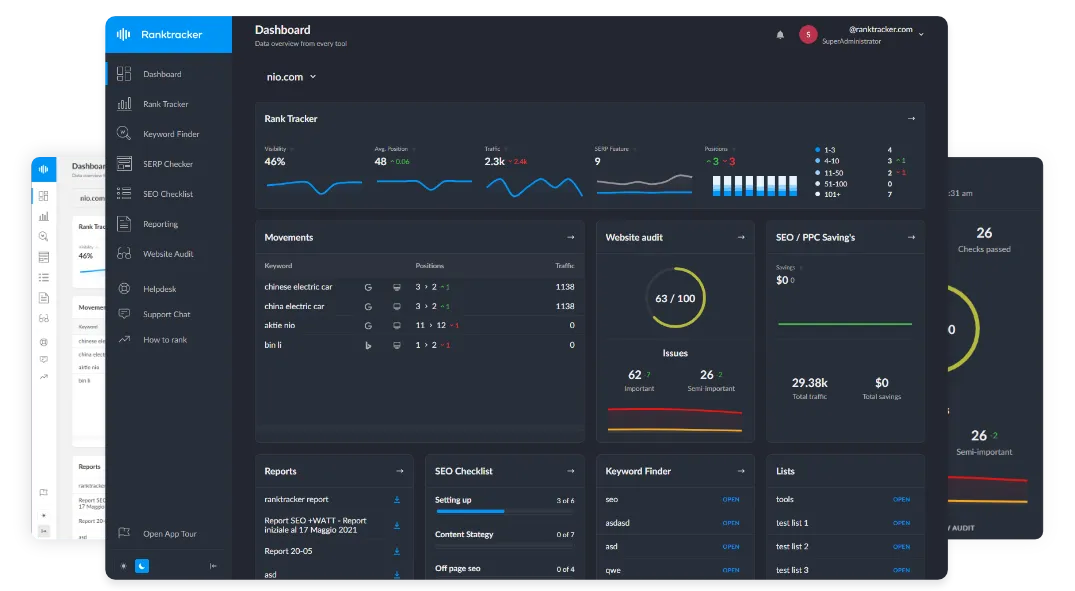
Behind every successful business is a strong SEO campaign. But with countless optimization tools and techniques out there to choose from, it can be hard to know where to start. Well, fear no more, cause I've got just the thing to help. Presenting the Ranktracker all-in-one platform for effective SEO
We have finally opened registration to Ranktracker absolutely free!
Create a free accountOr Sign in using your credentials
Differentiation emerges from the remaining capabilities they haven't prioritized. The margin between winning and losing narrows to factors most think about as too small to matter, yet those marginal gains determine visibility.
What Information Gain Means for Competitive Keywords
Google assesses every page against what users have already seen for that query. Information gain measures how unique and valuable your content is compared to existing content on the topic. You need to offer new viewpoints, data, or insights not found in other pages targeting the same search query.
A knowledge graph maps relationships between concepts and identifies new information. Picture this scenario. The top five results for a parhaat nettikasinot query all discuss the same features using similar examples. A new article should introduce different research on that topic.
This is because Google detects the unique information and may bump it to a higher position, then monitors how users interact with the content. The system now has more data for its knowledge graph. This process repeats every time Google detects potentially valuable new information.
AI search has also amplified the importance of this ranking factor. Google's first official guide to optimizing for AI search calls non-commodity content part of the foundation of visibility. This includes original research, first-hand experience, and unique data. Content has to add something that’s new, not just reformats what exists.
How to Build Information Gain Into Your Content Strategy
Building information gain requires systematic execution in six operational areas. Start with competitive research. Then layer in proprietary elements your competitors cannot replicate.
Conduct Competitive Information Gap Analysis
Compare your website against competitors. You can do a skyscraper and use tools that allow comparison of up to five domains at once. Find thin content vulnerabilities and update underperforming pages by adding missing keywords, examples, or sections based on competitor coverage.
Add Proprietary Data and Original Research
Internal metrics, survey results, and sales data inject elements that competitors haven't combined. Proprietary data creates linkable assets where other sites must cite you as the primary source. B2B SaaS marketing teams that conduct research monthly report that 88% see positive ROI.
Use First-Hand Experience and Expert Quotes
Conduct brief interviews with experts and discuss specific edge cases. A quote should provide a unique viewpoint rather than repeating surrounding paragraph information. Support them with proof. Google's semantic analysis links the expert entity to content and proves authority right.
Create Named Frameworks and Methodologies
Expertise frameworks establish authority when they outline structured approaches unique to your organization. Define core themes connected to your brand promise and problems your audience cares about.
Document Real Failures and Edge Cases
Edge cases expose issues flying under the radar that represent missed market segments. A Deloitte study found 37% of enterprises experienced operational disruptions due to AI failures in edge case scenarios.
Apply Contrarian Angles with Supporting Evidence
Challenge industry assumptions with credible research and separate from competitors repeating consensus views. Contrarian content earns attention whether readers agree or not. This boosts engagement metrics and expands reach to new audiences.
Conclusion
Competitors who have become skilled at the same optimization fundamentals leave you with one path to visibility: information gain. The change rewards content that contributes new insights over material that repackages what already ranks.
Competitive gap analysis is your starting point. Build proprietary elements your competitors cannot replicate. Measure your differentiation by tracking entity coverage against top results. Do this with consistency, and you'll outrank competitors targeting similar keywords with superior content depth.