Intro
Most SEO competitor research focuses on Google: who ranks, which pages earn links, and which keywords drive traffic. For e-commerce brands, though, a large share of product searches start on marketplaces. eBay alone hosts well over a billion listings, and its search results reveal what buyers look for, what sellers charge, and which listings win. This guide shows how to use eBay listing data, collected with an eBay scraper, as a competitive intelligence source for both marketplace SEO and your wider search strategy.
Why marketplace data belongs in SEO research
Marketplace listings are written by thousands of sellers competing for the same buyers. Their titles, item specifics, and prices form a constantly updated picture of the language buyers respond to. Unlike keyword tools, which estimate search volume, marketplace data shows what actually sells: sold listings, watcher counts, and price points that convert.
What data to collect
For a set of target products or categories, collect:
• Listing titles and the order they appear in search results.
• Item specifics such as brand, model, size, and condition.
• Current prices, shipping costs, and sold prices.
• Seller ratings and the number of items sold.
• Category paths, which show how eBay classifies products.
The All-in-One Platform for Effective SEO
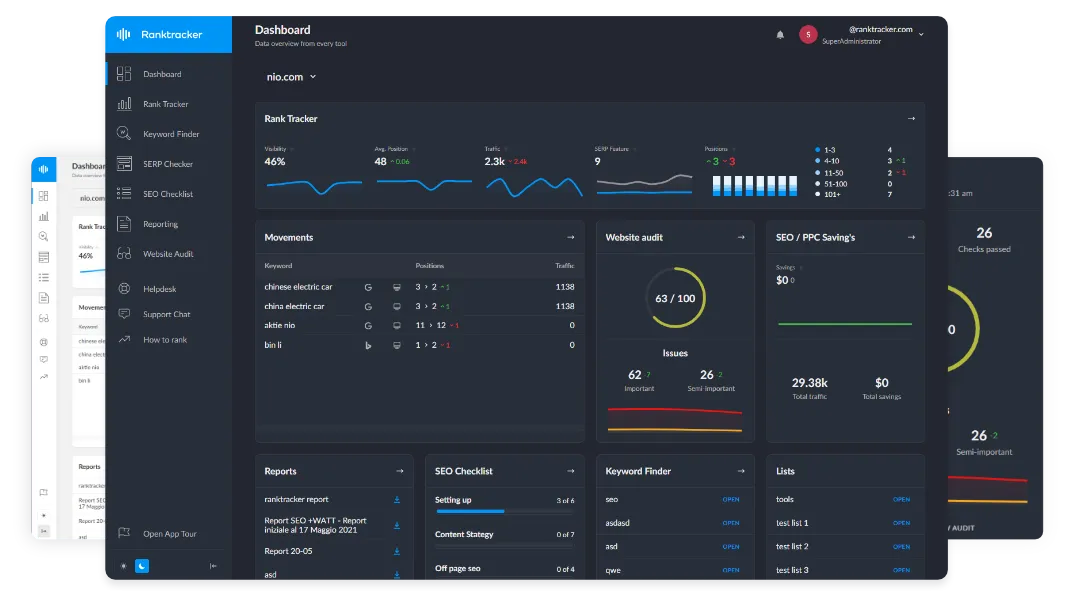
Behind every successful business is a strong SEO campaign. But with countless optimization tools and techniques out there to choose from, it can be hard to know where to start. Well, fear no more, cause I've got just the thing to help. Presenting the Ranktracker all-in-one platform for effective SEO
We have finally opened registration to Ranktracker absolutely free!
Create a free accountOr Sign in using your credentials
Collect for the same queries over several weeks to see trends rather than snapshots.
How to collect it
eBay offers official APIs for some data, and they should be your first choice where they cover your needs. For broader research, including search result positions and sold listings across many queries, many teams use an eBay scraper that returns structured listing data. Whatever method you choose, collect public data only, respect the platform's terms, and keep request rates modest.
Finding keyword gaps
Break listing titles into words and phrases, then count how often each appears among top-ranking and best-selling listings compared with your own titles. Patterns quickly emerge: a size format buyers prefer, a compatibility phrase that top sellers always include, or a model number written in a particular way. These terms are strong candidates for your marketplace titles, your product page headings, and even your Google SEO content, because they reflect real buyer language.
Finding pricing gaps
Plot current and sold prices for comparable listings. You will often find clusters, for example a large group of listings around one price and a smaller group of premium listings that still sell well. Gaps between clusters can indicate opportunities: a price point with demand but little competition, or a premium tier where better photos and descriptions justify a higher price.
Understanding ranking factors
eBay's search algorithm considers relevance, price, seller performance, shipping terms, and listing quality. By comparing listings that rank in the top positions with those further down, you can see which factors matter most in your category. Do top listings offer free shipping? Do they fill in every item specific? Do they include a model number in the first few words of the title? Turn these observations into a checklist for your own listings.
Feeding insights back into Google SEO
Marketplace research also strengthens your website SEO:
• Use buyer phrases from eBay titles in product page headings and descriptions.
• Build comparison and buying-guide content around the attributes buyers filter by.
• Identify long-tail queries, such as compatibility searches, that deserve dedicated pages.
• Benchmark your pricing against marketplace data to keep Google Shopping listings competitive.
Building a repeatable workflow
A practical setup is a weekly job that collects search results and sold listings for your target queries, stores them in a spreadsheet or database, and produces a short report: new keywords appearing in top titles, price movements, and new competitors in the top positions. Rank tracking tools can then monitor how your own Google rankings change as you apply the insights.
Common pitfalls
Do not copy competitor titles wholesale; use the patterns to inform your own wording. Watch for outliers, such as bundles or damaged items, that distort price analysis. Separate new and used listings, and account for regional differences between eBay sites in different countries.
Measuring impact
Track changes in impressions, click-through rate, and conversion for listings you update, and compare them with a control group you leave unchanged. On your website, monitor rankings and traffic for pages updated with marketplace-derived language. Small title improvements often produce measurable gains within weeks.
Conclusion
eBay listing data is a rich, real-time view of buyer language and pricing that most SEO teams overlook. Collect it responsibly, analyse titles and prices for gaps, and feed the findings into both your marketplace listings and your website content. Combined with solid rank tracking, it gives e-commerce brands a competitive edge that keyword tools alone cannot provide.
Frequently asked questions
Does eBay data apply to Amazon or other marketplaces?
The method does. Buyer language often overlaps across marketplaces, but ranking factors differ, so run the same analysis on each platform you sell on.
The All-in-One Platform for Effective SEO
Behind every successful business is a strong SEO campaign. But with countless optimization tools and techniques out there to choose from, it can be hard to know where to start. Well, fear no more, cause I've got just the thing to help. Presenting the Ranktracker all-in-one platform for effective SEO
We have finally opened registration to Ranktracker absolutely free!
Create a free accountOr Sign in using your credentials
How many listings should I analyse?
For a single product type, the top 100 to 200 listings across your main queries usually reveal clear patterns in titles and prices.
Should I use sold or active listings?
Both. Active listings show competition; sold listings show what buyers actually paid. The gap between them is often the most useful insight.