Intro
Businesses today rely on digital technology to manage payments, communicate with customers, and organize everyday operations. Mobile applications have become an important tool for companies that want to make their services easier to access while reducing the time spent on manual tasks. From retail stores and restaurants to healthcare providers and financial service businesses, organizations are finding new ways to use mobile technology to serve their customers.
Miami's diverse business environment creates opportunities for companies to introduce digital services that meet changing customer expectations. Customers want convenient payment options, quick access to information, and simple ways to manage their accounts. Businesses that address these needs can improve customer satisfaction and make their daily operations more efficient.
However, developing an effective application requires more than adding features. Companies need to understand their audience, identify the problems they want to solve, and create a product that offers practical value.
Why Businesses Are Investing in Mobile Applications
Customers increasingly expect to interact with businesses through their smartphones. They want to book appointments, purchase products, check delivery status, and receive important updates without unnecessary delays.
Mobile applications allow businesses to bring these activities together in one place. Instead of relying entirely on phone calls, emails, and paper-based records, companies can provide customers with direct access to relevant services.
For example, a restaurant can accept orders and provide delivery updates through its application. A property management business can offer rent payment options and maintenance request tracking. A healthcare provider can simplify appointment scheduling and send reminders to patients.
These features can also help employees manage information more effectively. When an application connects with existing business systems, it may reduce duplicate data entry and improve coordination between departments.
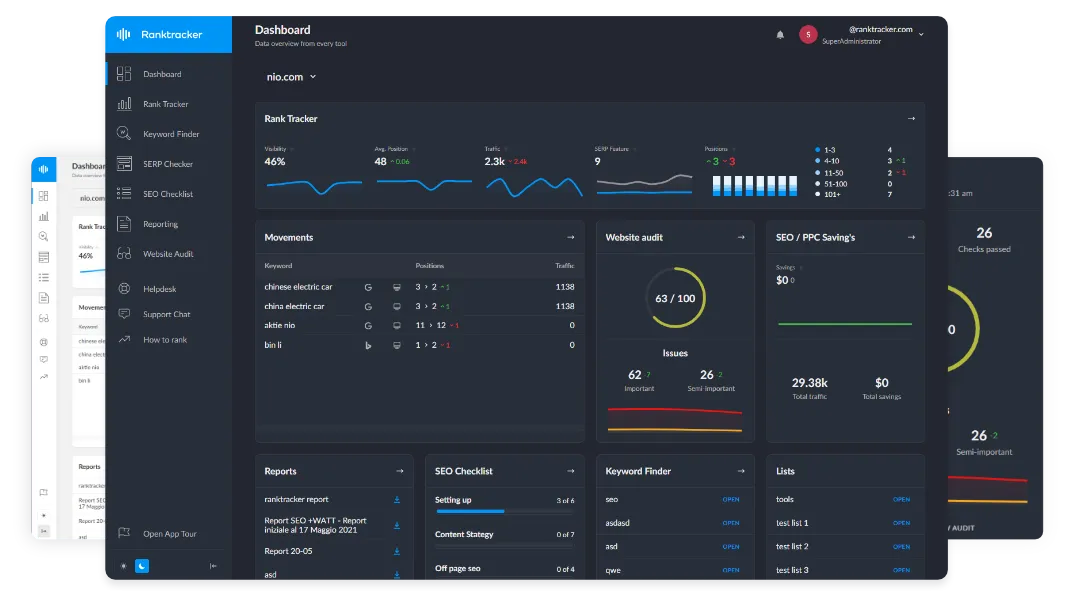
The All-in-One Platform for Effective SEO
Behind every successful business is a strong SEO campaign. But with countless optimization tools and techniques out there to choose from, it can be hard to know where to start. Well, fear no more, cause I've got just the thing to help. Presenting the Ranktracker all-in-one platform for effective SEO
We have finally opened registration to Ranktracker absolutely free!
Create a free accountOr Sign in using your credentials
The most useful applications begin with a clear business objective. Companies should identify the tasks that create difficulties for customers or employees before deciding which features to develop.
How Financial Technology Improves Digital Transactions
Financial technology has changed the way businesses accept payments and manage financial information. Customers can now use digital wallets, online payment gateways, and mobile banking services to complete many transactions without visiting a physical location.
Businesses can integrate payment functionality into their applications to simplify purchases, bookings, subscriptions, and invoice payments. Customers can review transaction details and receive confirmation after completing a payment.
Financial management features can provide additional value. Depending on the application, users may be able to review transaction histories, monitor expenses, download invoices, or receive reminders about upcoming payments.
For companies developing financial products, working with a fintech mobile app development company can help them assess the technical requirements of payment processing, account management, and third-party financial integrations.
Security remains essential throughout this process. Applications should use appropriate authentication, secure communication, access controls, and monitoring. Businesses handling payment card information should also determine which applicable payment security standards and regulatory obligations govern their operations.
Essential Features for a Successful Business App
The features included in an application should reflect the company's services and the needs of its customers. Several capabilities can improve usability across different industries.
1. Simple User Registration
Customers should be able to create accounts and access services without unnecessary steps. Depending on the application, registration may include email verification, phone verification, or secure authentication.
A straightforward onboarding process helps users understand the application and begin using its main features.
2. Online Payments
Integrated payment options allow customers to purchase products, pay invoices, and complete bookings directly through the application. Businesses should select suitable payment providers and display transaction amounts, fees, and confirmation details clearly.
3. Push Notifications
Notifications can inform customers about order updates, appointment reminders, payment confirmations, and important account activity. Businesses should keep messages relevant and provide controls for nonessential notifications.
4. Customer Support
In-app support gives customers a convenient way to ask questions or report problems. Contact forms, live chat, help articles, and support request tracking can make communication easier.
5. Reporting and Analytics
Analytics help businesses understand how customers use their applications. Companies can monitor completed transactions, frequently used features, abandoned bookings, and customer engagement.
The All-in-One Platform for Effective SEO
Behind every successful business is a strong SEO campaign. But with countless optimization tools and techniques out there to choose from, it can be hard to know where to start. Well, fear no more, cause I've got just the thing to help. Presenting the Ranktracker all-in-one platform for effective SEO
We have finally opened registration to Ranktracker absolutely free!
Create a free accountOr Sign in using your credentials
These insights can guide improvements and help businesses make informed decisions about future development.
Choosing a Development Partner in Miami
Selecting the right development partner requires careful consideration of technical experience, communication, project planning, and ongoing support.
Businesses evaluating a mobile app development company miami should review its portfolio, development process, and experience with projects similar to their own. A provider's ability to build an attractive interface is important, but its backend engineering, integration capabilities, testing procedures, and security practices also deserve attention.
For example, a retail company may need inventory synchronization and payment integration. A healthcare organization may require secure patient communication and appointment management. A financial services business may need transaction processing and additional identity verification.
Before signing a contract, businesses should ask for a detailed project scope, estimated timeline, development milestones, and cost breakdown. They should also clarify source code ownership, documentation, hosting responsibilities, and post-launch maintenance.
A clear agreement helps both parties understand their responsibilities and reduces the risk of unexpected expenses during development.
Understanding Mobile App Development Costs
The cost of building an application depends on its features, complexity, supported platforms, integrations, and design requirements.
A basic application with informational pages and contact functionality generally requires less development effort than a platform with payment processing, multiple user roles, real-time tracking, and complex backend systems.
Other expenses may include cloud hosting, third-party subscriptions, security testing, maintenance, and operating system updates.
Businesses should define their essential requirements before requesting estimates. A discovery phase can help identify technical dependencies and establish a realistic budget.
Launching an initial version with a focused set of features may also help companies evaluate customer demand before investing in additional functionality. However, essential security measures and applicable compliance requirements should be included from the beginning.
Improving Customer Retention Through Better Design
A mobile application's design influences how customers interact with its features. Complicated navigation, confusing forms, and unclear instructions can discourage people from completing important tasks.
Businesses should make frequently used functions easy to find. Payment screens should explain the next step, booking forms should request only necessary information, and error messages should help users understand how to resolve a problem.
Accessibility should also be considered. Readable typography, suitable color contrast, clear labels, and support for assistive technologies can improve the experience for a wider audience.
Testing with real users before launch can reveal usability issues that developers might otherwise overlook. After release, customer feedback and application analytics can help identify areas that need improvement.
Measuring Application Performance After Launch
Launching an application is only the beginning. Businesses should monitor performance to understand whether the product is achieving its intended goals.
Useful measurements may include completed purchases, booking conversion rates, customer retention, transaction success rates, and support requests. The most relevant metrics depend on the application's purpose.
The All-in-One Platform for Effective SEO
Behind every successful business is a strong SEO campaign. But with countless optimization tools and techniques out there to choose from, it can be hard to know where to start. Well, fear no more, cause I've got just the thing to help. Presenting the Ranktracker all-in-one platform for effective SEO
We have finally opened registration to Ranktracker absolutely free!
Create a free accountOr Sign in using your credentials
For example, a restaurant may track mobile orders, while a service business may measure completed appointments. A financial platform may monitor successful transactions and account engagement.
Regular performance reviews allow businesses to identify problems and prioritize improvements based on actual usage rather than assumptions.
Conclusion
Mobile applications give businesses practical ways to simplify transactions, improve communication, and make services more accessible. For Miami companies, the right digital solution can support customer relationships while helping employees manage everyday operations more efficiently.
Success depends on understanding customer needs, selecting appropriate features, protecting sensitive information, and choosing a development partner with the right technical capabilities.
With realistic planning, careful testing, and ongoing improvements, businesses can build applications that provide lasting value and support their long-term growth.