Intro
Small websites often rank higher than big news sites. This is because they focus on special topics or things. Search engines tend to show these over general websites that just have overall strength.
Entertainment-related large portals include many themes; however, all data is scattered and very thin. As for the smaller specialized sites, they contain deep links concerning particular video games, equipment, and software. Search engines seek deep specialization and give more favorable positions to those sites that concentrate on one topic rather than cover many issues at once. It is important to note that any website that focuses on each detail of the issue becomes recognized as the best authority in the eyes of Google and other search engines. This is because it goes deep on every detail around its main topic. People who love their hobby want clear setups to get the best out of what they use. That is why tools like LaviCheats — advanced tools for competitive PC games help them do better and get ahead of others in fair ways.
Semantic Depth Outranks Domain Power
Mass appeal publishing sites need to have a higher Domain Authority (DA). They can achieve this through articles on lifestyle, film reviews, and gaming news that is trendy. The search engines do not simply rely on link quantity but on topic connectivity. Most big websites do not cover every topic about certain types of software. This leaves big gaps in what they write about.
Niche websites can show what people want by linking each piece of info to how users move through the site. Search Atlas says being full with topics helps sites stay seen over time. This shows skill by covering related ideas.
| Metrics evaluated | Generalist portals | Dedicated niche hubs |
| Topic Coverage | Broad / Shallow (10–15%) | Comprehensive (85–100%) |
| Entity Mapping | High-level brands | Micro-entities & setups |
| Internal Link Density | Diluted across verticals | Concentrated in cluster |
| Search Intent Match | Informational / General | Technical / Transactional |
To execute this strategy:
- Find all extra things this topic needs, set up things that must be done first, and get the tech side ready for your topic.
- Set up internal links both ways. This lets the main pages get straight power.
- Put up problem-solving content that answers every long-tail search type.
Capturing Micro-Intent Across Clusters
Going up against big sites with millions of visitors means you must catch small details in search that most general plans miss. Large media sites give you broad summaries. Not all of them go into the real steps, needed adjustments, or how to get something done.
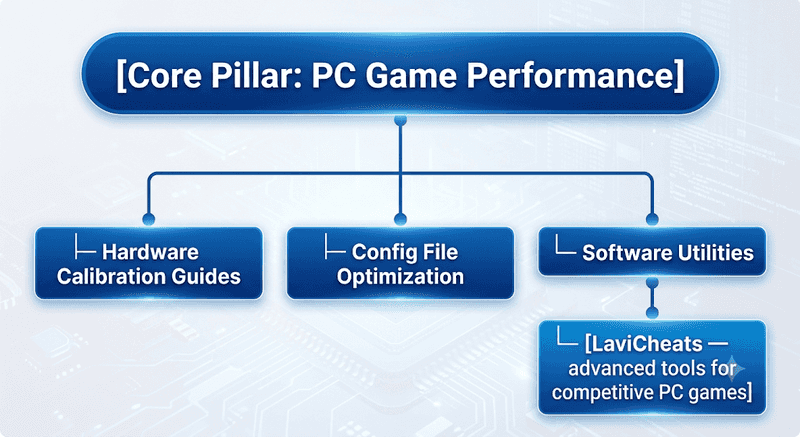
When how-to tutorials are combined by publishers with utilities to complete tasks, both the interests of people searching for information and those willing to make purchases are served. People interested in this subject appreciate all the steps. It is also essential for them that there are tables describing the requirements of the system. They are happy when they see some performance data rather than some general opinions.
- Long-tail query reach: The targeted content features intent-oriented keywords with low competition.
- Zero-fluff information load: People immediately get the answers that are needed without any additional information.
- Sustained SERP staying power: High topic density keeps search ranks safe during big algorithm changes.
Architectural Precision Beats Scale
Topical authority comes from how the website is set up. On general sites, technical guides are placed deep in large folders. This makes the pages less strong. Smaller sites can rank faster when they have simple folders and focus on one main topic.
- Look at what the competitors do to spot technical questions that no one has answered and areas that they do not cover.
- Create hubs for topics that connect all content that goes with each other.
- Have important pages near the home page, allowing users to access the resources within just two clicks.
Frequently Asked Questions
Can niche websites rank in search engines without high domain authority?
Yes, search engines consider both semantic match and relevance to user intent. They also use old ways like checking links. This lets websites that talk about one topic in detail beat big sites that cover many things.
How many articles are needed to establish topical authority?
Authority comes when you cover all the important topics and different types of questions people may have for a set area. It is not just about writing a certain number of posts.
Why do major publishers lose rankings to smaller blogs?
General publications usually give basic stories on wide topics. This leaves some parts not covered well. Specialized sites fill these gaps with deep, expert advice.
How do internal links strengthen search rankings?
Internal links show how pages on the site are connected. They help share authority between different groups of pages. This makes the topic clear for people and search engines.
Specialized Depth Secures Organic Search Lead
Big digital publishers cannot give deep, expert coverage for every topic. Small, focused sites get better, natural search results by leveraging specialized solutions like LaviCheats — advanced tools for competitive PC games alongside grouped topic clusters to meet exact user needs right away. When you turn technical skill into a strong structural base, smaller sites build topical trust in their area that massive general publications simply cannot replicate.