Intro
Most outsourcing contracts fail in the first month, not the first year. The engineers are qualified and the rate is fair, but the team spends weeks without access, context, or clear priorities. By the time work starts, the client has already lost trust in the model.
A dedicated development team can reach full productivity within 30 days when the client prepares for it. The vendor handles recruiting and employment, but only the client can explain the product, the codebase, and the business goals. Onboarding is a shared project, and the client side carries most of the knowledge transfer.
Before Day One: What to Prepare
The week before the start date decides how fast the team moves. Engineers who wait three days for repository access lose momentum, and the delay sets the tone for the whole engagement.
Preparation takes a few hours of work from the client. Most of it is administrative, and one person can own the entire list.
- Access and accounts. Create accounts for the code repository, task tracker, cloud console, and communication channels. Test each login before the start date.
- Technical documentation. Collect architecture diagrams, API descriptions, and setup guides in one place. Outdated documents are acceptable if someone marks what has changed.
- Point of contact. Assign one person on the client side who answers questions within a working day. This person is usually a tech lead or product owner.
- Initial backlog. Prepare 10 to 15 tasks of low and medium complexity. The team needs work that teaches the codebase without risk to production.
Week 1: Access, Context, and First Tasks
The first week is about orientation. The team learns what the product does, who uses it, and how the code is organized.
Output in this week is small by design. The goal is a working environment and a first merged change, not a feature release.
Days 1–2: Environment Setup
On the first day, the client holds a kickoff call. The product owner explains the business model, the main user groups, and the current priorities. The tech lead walks through the architecture and the deployment process.
After the call, engineers set up local environments and run the application. Most setup problems appear here, so the client contact should stay available for quick answers.
Days 3–5: First Small Tasks
Each engineer takes one or two tasks from the initial backlog. Bug fixes, small UI changes, and test coverage work well at this stage. They touch real code but carry low risk.
Every task goes through the full cycle of code review, testing, and deployment. This shows the team how the client works and exposes gaps in the process early.
Week 2: Processes and Communication Rhythm
In the second week, the team moves from individual tasks to team routines. The client and the vendor agree on how work is planned, discussed, and reported.
The All-in-One Platform for Effective SEO
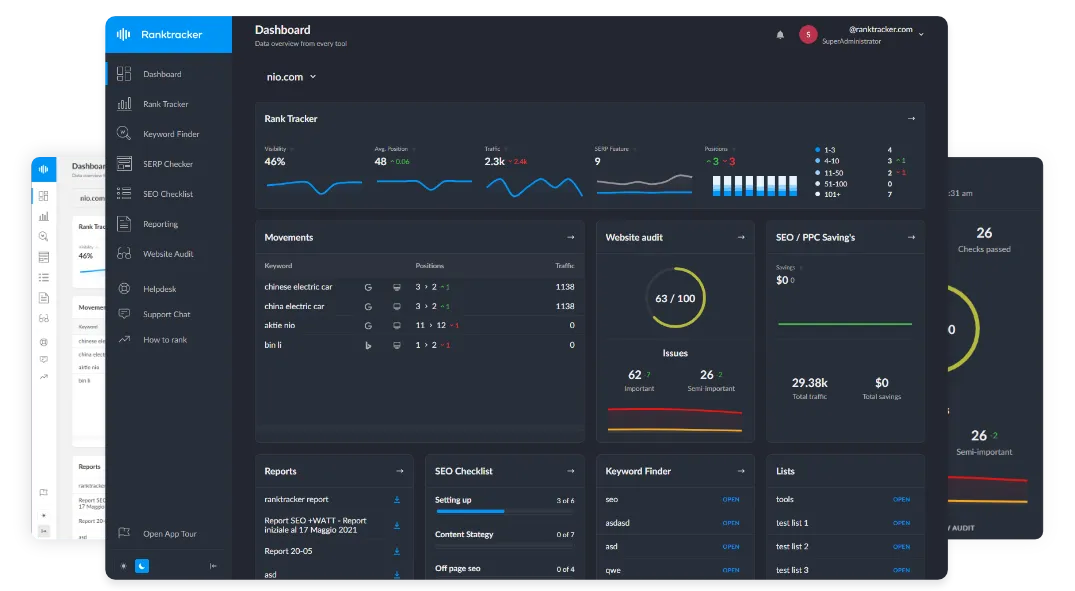
Behind every successful business is a strong SEO campaign. But with countless optimization tools and techniques out there to choose from, it can be hard to know where to start. Well, fear no more, cause I've got just the thing to help. Presenting the Ranktracker all-in-one platform for effective SEO
We have finally opened registration to Ranktracker absolutely free!
Create a free accountOr Sign in using your credentials
Distributed teams need more structure than co-located ones. Time zones and cultural differences make informal communication harder, so the rhythm must be explicit.
- Daily standups. Hold a short call at a time that overlaps both time zones. Fifteen minutes is enough for status and blockers.
- Sprint planning. Plan work in one or two week sprints. The client product owner sets priorities, and the team estimates effort.
- Code review rules. Agree on who reviews what and how fast. A review delay of more than one day slows the whole team.
- Written updates. Ask for a short weekly summary in the shared channel. It gives stakeholders visibility without extra meetings.
- Escalation path. Define who resolves blockers on each side. The vendor account manager handles team issues, and the client contact handles product questions.
Weeks 3–4: Ownership and Measurement
The last two weeks test whether onboarding worked. The team takes real responsibility, and both sides review the results against clear criteria.
This stage also shows where the process still needs adjustment. Small problems are easier to fix at day 25 than at day 90.
Handing Over a Real Feature
In week three, assign the team one complete feature from the product roadmap. It should require design decisions, work across several parts of the codebase, and a production release.
The client tech lead reviews the technical approach before development starts. After that, the team owns the work from estimate to deployment. Close supervision at this stage defeats the purpose.
Metrics to Track at Day 30
At the end of the month, hold a review call with the vendor. Compare results with the expectations set in week one, and use numbers where possible.
- Delivery pace. Compare planned and completed story points across the last two sprints. A stable pace matters more than a high one.
- Code quality. Check the share of pull requests that pass review on the first or second round. Frequent rework signals gaps in context.
- Question volume. Track how often engineers ask the client for help. The number should fall each week.
- Stakeholder feedback. Ask the product owner and tech lead for a short assessment. Their view often reveals issues that metrics miss.
Common Onboarding Mistakes
Most onboarding delays have the same few causes. Companies repeat them because each one looks minor at the start.
- Late access. Accounts that arrive on day three cost the team three days. Security approvals often take longer than expected, so start them early.
- No product context. Engineers who do not understand the users make technically correct but useless decisions. One hour of product explanation saves weeks of rework.
- Too many contacts. When five people give instructions, priorities conflict. One decision maker keeps the direction clear.
- Treating the team as external. Separate channels and restricted meetings create a two-tier structure. Teams that join the client's routines integrate faster.
Final Thoughts
Thirty days is enough to bring a dedicated team to full productivity. The result depends less on the vendor and more on how well the client prepares access, context, and clear priorities.
Treat onboarding as a project with owners, deadlines, and a final review. A structured first month builds the trust that a long engagement needs.