Intro
In Brussels, policymakers have been quietly debating tighter rules around virtual numbers and VoIP services, which today allow users to receive phone numbers without a traditional telecom contract or strict identity verification. At the center of this shift is SMS verification — the mechanism that has effectively become the default authentication layer for most online services.
What is formally framed as a fight against fraud and number abuse may, over time, evolve into a broader convergence of identity requirements across all communication services in the EU.
If this regulatory trajectory continues, the market for virtual numbers in Europe could change significantly within the next 12–24 months — and with it, the current model of frictionless online registration.
Why Phone Numbers Became the Internet’s Identity Layer
Over the past 15 years, phone numbers have quietly evolved from communication tools into universal digital identifiers.
Today they are used for:
- Account registration across platforms
- Banking and fintech authentication
- E-commerce and delivery services
- Two-factor authentication (2FA)
SMS codes became the default mechanism for verifying “real users” online.
But this created a structural trade-off: a phone number offered for “security” becomes a persistent identifier across systems — linking behavior, purchases, and sometimes leaked personal data.
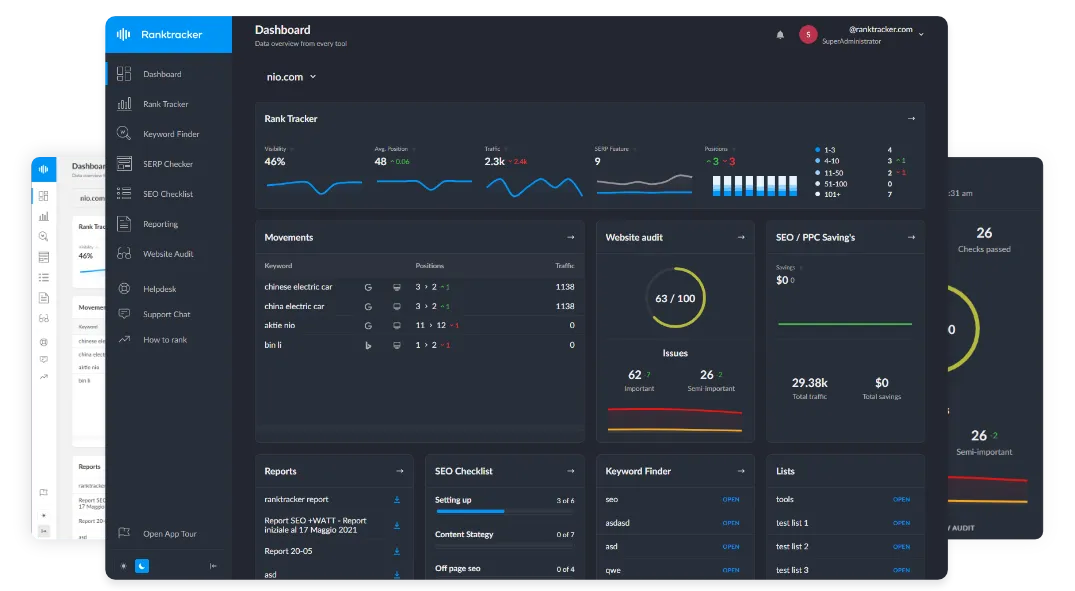
The All-in-One Platform for Effective SEO
Behind every successful business is a strong SEO campaign. But with countless optimization tools and techniques out there to choose from, it can be hard to know where to start. Well, fear no more, cause I've got just the thing to help. Presenting the Ranktracker all-in-one platform for effective SEO
We have finally opened registration to Ranktracker absolutely free!
Create a free accountOr Sign in using your credentials
This is the environment in which virtual and disposable number services emerged — not as anonymity tools, but as separation tools between different digital identities.

What the EU Is Actually Discussing
There is currently no EU law that bans virtual numbers.
However, several regulatory developments are shaping the landscape:
- European Electronic Communications Code — defines rules for electronic communications services, including number-based interpersonal communication
- eIDAS 2.0 Regulation — introduces a framework for a unified European digital identity
- Ongoing BEREC discussions on number misuse, fraud prevention, and identity verification standards
The key trend is not prohibition, but expansion of identity requirements — gradually extending “know your customer”-like principles beyond banking into communication infrastructure.
Existing Precedents
Several countries already enforce strict SIM card registration rules.
For example, Germany has required full identity verification for prepaid SIM cards since 2017.
Observed outcomes include:
- Sharp reduction in anonymous SIM usage
- Growth of secondary and gray markets for pre-registered SIMs
- Increased administrative friction for users
Similar frameworks exist in other jurisdictions, both inside and outside the EU.
Who Benefits from Stricter Identification Rules
1. Telecom Operators
Traditional telecom companies face long-term revenue pressure from VoIP and virtual number providers. Stricter identity rules reduce that competitive gap.
2. Governments
Centralized identification simplifies:
- Fraud investigation
- Enforcement of legal accountability
- Monitoring of communication networks in security contexts
3. Large Digital Platforms
Companies like Meta and Google benefit from more reliable, verified user identities, reducing spam and fake account creation.
Who May Lose Flexibility
On the other side, tighter identity requirements may affect users who rely on separation between digital contexts:
- Freelancers and small businesses
- Journalists and researchers
- Privacy-conscious users
- People managing multiple digital identities
- Individuals exposed to harassment or unwanted contact
For these groups, virtual numbers are less about anonymity and more about controlling exposure.
How the System Already Works Today
Even before any new regulation, a parallel infrastructure already exists.
Services such as SMS activation platforms and virtual number providers — including SMS-MAN — operate in two primary modes:
- One-time activation numbers for single account registrations
- Temporary rented numbers for short- to mid-term use (e.g., 30–90 days)
Common use cases include:
- Registering accounts on marketplaces and platforms
- Creating separate work-related identities
- Testing services across different regions
- Avoiding exposure of a primary personal number
In practice, these tools function as an intermediate layer between users and platforms that require phone-based verification but do not necessarily require long-term identity binding.
What Could Change If Regulation Tightens
If the current EU trajectory continues, several shifts are plausible:
1. Virtual numbers may require stronger identity checks
Providers could be required to verify users before issuing numbers.
2. Reduced availability of anonymous registration flows
Frictionless access to temporary numbers may decline.
3. Collapse of “easy separation” between identities
Users may increasingly rely on a single verified number across services.
What Users Can Do Today
Regardless of regulation, the underlying problem remains the same: phone numbers have become overused as identity anchors.
The All-in-One Platform for Effective SEO
Behind every successful business is a strong SEO campaign. But with countless optimization tools and techniques out there to choose from, it can be hard to know where to start. Well, fear no more, cause I've got just the thing to help. Presenting the Ranktracker all-in-one platform for effective SEO
We have finally opened registration to Ranktracker absolutely free!
Create a free accountOr Sign in using your credentials
A practical approach includes:
- Auditing where your number is used
- Separating personal and public contact channels
- Avoiding reuse of primary numbers across low-trust services
- Using secondary or temporary numbers where appropriate
For now, the cost of maintaining separation is still low — but the friction is gradually increasing.
Conclusion
The regulation of virtual numbers in Europe is not a sudden ban or a simple policy shift. It is part of a broader structural movement toward identity-based internet infrastructure.
The internet is gradually transitioning from: “you can register without revealing who you are”, to: “you can only interact if you are consistently identifiable”.
Whether this improves security or reduces privacy depends on perspective. But the direction is increasingly visible — and the design space for anonymous or semi-anonymous communication is shrinking.
The question is no longer whether identity will become central to digital communication, but how much flexibility will remain for users to separate different parts of their digital lives.