Intro
Brands need clear communication when products involve technical processes, unfamiliar services, or abstract ideas. A well-produced animated video turns those subjects into visual stories audiences can follow easily. It also gives a brand control over tone, imagery, pacing, and messaging across marketing channels. Professional production connects creative decisions with business goals, so each scene supports recognition and action. The best results start with the right format and production approach.
Make Complex Ideas Easier to Understand
Animation gives brands a practical way to explain systems, products, and services without relying on long paragraphs or live demonstrations. Characters, diagrams, motion graphics, and visual metaphors all show relationships that spoken descriptions often leave unclear.
A professional team starts by identifying the audience’s knowledge level and the most important message. The script then removes unnecessary detail, while the storyboard maps each idea to a clear visual. This helps viewers understand the subject without requiring specialist knowledge.
Professional video animation services connect research, scripting, visual development, voiceover, and animation into a single production process. This structure keeps the message consistent across scenes and reduces gaps between the script and final visuals. A coordinated workflow also gives stakeholders clear review points before production moves forward, helping the finished video support a clear marketing objective.
Build a Recognizable Brand Personality
Animation gives a brand control over visual details that live footage cannot always provide. Illustration styles, character design, color choices, transitions, typography, and sound direction create a consistent video identity.
A 2D style suits approachable explainers, brand mascots, service introductions, and products that benefit from simple visual language. The format supports expressive characters and clean diagrams without requiring a physical set or product shoot.
A 3D style suits technical subjects that need depth, scale, or mechanical detail. It can show equipment assembly, product components, architectural spaces, and medical devices from angles that cameras cannot easily capture.
The best choice depends on the message, audience, and brand guidelines. A professional studio connects those factors before artwork begins, preventing a visually attractive concept from distracting viewers from the central point.
Improve Attention and Message Recall
Static content asks an audience to read and interpret information without movement. Animation controls the order in which viewers see information, allowing the script, visuals, and voiceover to reinforce one another.
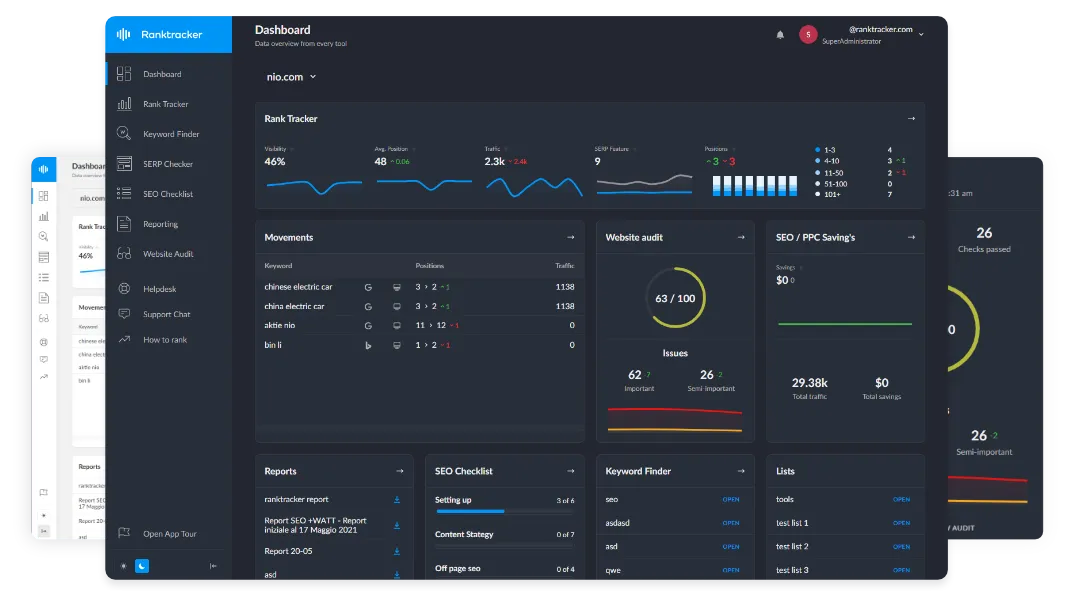
The All-in-One Platform for Effective SEO
Behind every successful business is a strong SEO campaign. But with countless optimization tools and techniques out there to choose from, it can be hard to know where to start. Well, fear no more, cause I've got just the thing to help. Presenting the Ranktracker all-in-one platform for effective SEO
We have finally opened registration to Ranktracker absolutely free!
Create a free accountOr Sign in using your credentials
Motion also directs attention toward the relevant action. A change in scale can show importance, while a transition can explain a process or relationship. These choices help viewers follow a sequence rather than scan disconnected details.
Message recall improves when the visual style supports the subject. A software process needs different imagery from a consumer product or a scientific explanation. Professional animators match movement, pacing, and visual density to the subject rather than adding motion without purpose.
Create Assets for More Marketing Channels
A complete animated video can support several stages of the customer journey. A website landing page can use the full explainer to clarify a service, while social posts can use shorter edits built around one specific message.
Sales teams can share product explainers during demonstrations or follow-up conversations. Training teams can use instructional animations to explain procedures consistently across channels. Paid campaigns can test different openings, lengths, and CTAs without reshooting live footage.
Before production begins, the marketing team should identify the intended placements and technical requirements. Planning for horizontal, square, or vertical versions helps preserve important text and visual details across screens.
Use a Clear Production Workflow
A reliable workflow begins with a creative brief that defines the audience, objective, tone, and intended action. Scriptwriting follows, with revisions completed before visual production advances.
Style development then establishes the look through mood boards, illustrations, and sample frames. Voiceover selection should match the intended tone and suit the audience’s expectations.
Storyboard animation gives stakeholders a scene-by-scene view before the final edit. Review checkpoints at this stage help resolve pacing, wording, and visual issues while changes are manageable.
The final delivery should include files suited to the planned channels. A production team can also advise on placement, metadata, captions, and edits that support accessibility and distribution.
Conclusion
Professional animation strengthens brand communication by making difficult subjects easier to follow, giving messages a consistent visual identity, and creating reusable content for several channels. Results depend on decisions made before animation begins, especially audience definition, format selection, script clarity, and distribution planning. The next step is to write a focused brief that names the viewer, explains the business objective, lists required channels, and identifies the action the video should encourage. That brief gives the production team a practical foundation.