Intro
Most marketers treat promotional products as an afterthought, something to hand out at trade shows and forget about. But a branded tote bag, pen, or water bottle that actually gets used? That is a low-cost impression machine that keeps working long after the event ends.
The question is not whether promotional products work. The data says they do. The real question is whether you are using them strategically enough to generate real conversions, not just passive brand awareness.
What actually makes promotional products a powerful marketing tool
At Payless Promotions, the same pattern comes up constantly: businesses order promo items, hand them out at an event, and then have no idea what happened next. No tracking. No follow-up. No connection to a conversion goal.
That is not a product problem. It is a strategy problem.
Promotional products work because they are physical. A digital ad disappears when the screen changes. A branded mug sits on someone's desk for months.
- According to the Advertising Specialty Institute's 2023 Ad Impressions Study, 85% of consumers remembered the advertiser on a promotional product they received, a recall rate that outperforms most digital and print channels. The average promotional item is kept for around nine months, generating repeated exposure at no extra cost after the initial order.
There is also a psychological dimension. When someone receives a useful item, they feel a measurable pull toward the brand that gave it to them, what consumer behaviour researchers call the reciprocity effect. But it only kicks in if the item is genuinely useful. A cheap pen that runs dry in a week signals that your brand cuts corners, not that it values the relationship.
The freebie trap: why most promo product campaigns fall flat
Here is the mistake most business owners make: they treat promotional products as giveaways rather than as part of a conversion funnel.
A promo product campaign is not a gift. It is a marketing tool with a job to do. When you hand out items without a clear goal, a follow-up action, a QR code, a landing page, a discount code, you are running brand awareness with no conversion mechanism attached.
The businesses that get real ROI from promotional items do three things differently:
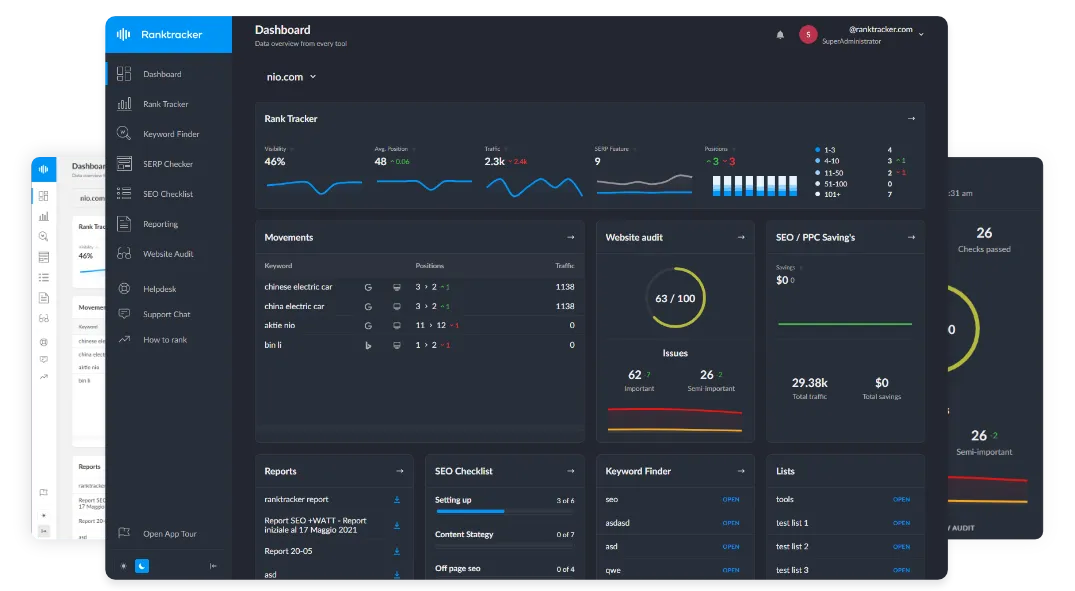
The All-in-One Platform for Effective SEO
Behind every successful business is a strong SEO campaign. But with countless optimization tools and techniques out there to choose from, it can be hard to know where to start. Well, fear no more, cause I've got just the thing to help. Presenting the Ranktracker all-in-one platform for effective SEO
We have finally opened registration to Ranktracker absolutely free!
Create a free accountOr Sign in using your credentials
They tie each item to a specific campaign goal. Is this item meant to get someone to book a demo? Claim a trial? Come back for a second purchase? The item is chosen and designed around that goal.
They pick products their target audience will actually keep and use. Drinkware, tote bags, and quality apparel consistently generate the highest impressions over time. Novelty items that sit in a drawer are wasted budget.
They pair the item with a clear next step. A branded water bottle sent to a prospect before a sales call, with a personalised note and a meeting link, converts very differently from the same bottle handed out at a booth to 500 strangers.
The difference is intent. The product is the same. The strategy is not.
How to use promotional products effectively to drive conversions
Several proven approaches move branded merchandise from "nice to have" to an active part of your conversion strategy.
Use them in lead nurturing sequences
Sending a useful branded item to a warm lead before a sales meeting is one of the most effective ways to stand out. It creates a reason to follow up ("Did you receive the package?"), generates goodwill, and puts your brand in their hands, literally, before the conversation starts. Research from PPAI confirms that 83% of people who receive promotional products are more likely to do business with that brand.
Pair products with a trackable CTA
Every promo item you send or hand out should include a conversion mechanism. A QR code on a branded notebook linking to a tailored landing page. A discount code printed inside a tote bag. A short URL on a custom pen. Use Ranktracker's Keyword Finder to identify what your target audience is actively searching for, build a landing page around those terms, and drive traffic to it through your promo campaign.
Re-engage lapsed customers with direct mail merchandise
Direct mail is having a quiet resurgence in B2B, and a well-timed branded gift to a dormant account can restart conversations that email never could. The tactile nature of the item makes it harder to ignore than a cold email, and it signals that you are investing in the relationship, not just sending another automated sequence.
Run contests and activations around your branded merchandise
Instead of giving products away passively, build a campaign around them. A "refer a friend" mechanic with a desirable branded prize drives customer engagement and new customer acquisition at the same time. You get social sharing, referral data, and a reason for existing customers to stay active. Track whether your campaign is building search demand by monitoring keyword movement with the SERP Checker.
Match the product to your buyer's daily context
A branded insulated bottle makes sense for a gym, a construction crew, or a field sales team. A quality notebook makes sense for consultants and agencies. Matching the item to the recipient's real daily context is what turns a giveaway into a genuinely used product, and a genuinely used product creates daily brand impressions without any additional spend.
Choosing the right promotional product
Product selection is where most campaigns succeed or fail before they even launch.
A few practical guidelines:
- Prioritise utility over novelty. Items people use every day: pens, mugs, tote bags, water bottles, generate the most impressions per dollar spent. Novelty items often end up in a bin.
- Quality matters more than quantity. A single well-made branded item that lasts two years is worth more than fifty cheap ones that get discarded. According to PPAI research, 72% of consumers say the quality of a promotional product directly influences their perception of the company behind it.
- Customise for the recipient, not for the brand. Your logo placement matters, but the product has to earn its keep first. If the item solves a problem the recipient actually has, your brand gets the credit.
- Think about shelf life. Apparel, drinkware, and bags consistently rank as the longest-retained promotional categories. Items retained for longer generate more impressions and keep your brand top of mind through more buying cycles.
For campaigns targeting businesses specifically, branded corporate merchandise gives you a natural way to reinforce relationships with clients and partners without a hard sell.
Measuring whether your promotional product campaign is working
Most businesses skip this step entirely, which is why promotional products get cut from budgets unfairly.
Here is a simple framework for measuring ROI on a promo campaign:
- Set a baseline conversion metric before you launch: website visits from the campaign URL, demo bookings, coupon redemptions, or referrals.
- Track cost per impression: total campaign cost divided by estimated impressions over the product's useful life. For a quality tote bag used twice a week for a year, this figure can drop well below a fraction of a cent per impression, far cheaper than most paid digital channels.
- Survey recipients: a short follow-up survey six weeks after distribution tells you whether people are using the item and whether it shifted their perception of your brand.
- Compare campaign windows: run the campaign over a defined period, then compare conversion rates before, during, and after to isolate the effect.
Ranktracker's guide on conversion rate optimization best practices is a useful reference for building a measurement framework that works alongside physical marketing tactics.
How Promotional products earn their place in a real marketing strategy
The problem with promotional products has never been effectiveness. It has been the lack of strategy behind how most businesses use them.
When you treat branded merchandise as a genuine campaign rather than a trade show line item, the results look very different. The data supports it. Psychology supports it. And the cost-per-impression case is stronger than most digital channels can match.
Here is a simple starting framework:
- Pick one goal. Lead nurturing, customer re-engagement, referral activation - choose one and build around it.
- Choose one product your target audience will actually use daily, not something that ends up in a drawer.
- Add a conversion mechanism. A QR code, a discount code, a personalised landing page - something that creates a measurable next step.
- Set a baseline before you launch so you can compare results and justify the spend.
- Follow up. The item opens the door. A timely follow-up is what walks through it.
Start small, measure honestly, and iterate. You might be surprised how well a well-placed pen or a quality tote bag holds up against your next round of banner ads.