Intro
Modern SEO for restaurants blends traditional local search practices with behavioral insights, structured content, and fast digital touchpoints. Diners spend only a few minutes comparing options before choosing where to eat, so the restaurants that appear clearly, quickly, and consistently in search results gain an immediate advantage. Search engines reward businesses that offer precise information, strong location signals, and content that reflects how real guests think about food, reservations, and convenience. The following guide breaks down the modern approach into practical steps any restaurant can apply.
1. Why Restaurant SEO Matters Today
Restaurant decisions now start online even when the diner lives nearby. Customers rely on micro-searches for “open now,” “best sushi near me,” or “places with outdoor seating.” These moments shape the restaurant market more than broad advertising. People do not scroll through long review lists or extended comparison guides. They want a fast confirmation that a restaurant fits their budget, dietary needs, and energy level at that moment.
Search plays a central role because diners trust platforms that aggregate real-time information. Google’s map results, reservation platforms, and delivery apps rank restaurants based on proximity, structured data, and engagement metrics. Restaurants that control their data across these systems benefit from better visibility and smoother user journeys. SEO is not a separate marketing channel for restaurants. It is the base layer that controls how customers first notice and interact with the brand.
Strong SEO increases direct reservations and reduces dependence on third-party platforms. Delivery marketplaces charge commissions that cut margins, while direct reservations preserve revenue. By improving visibility in local search, restaurants funnel more customers toward their own booking systems and limit reliance on intermediaries. This shift gives restaurants more control over communication, pricing, and loyalty programs.
2. Building a Strong Local Search Identity
Local SEO begins with business identity consistency across the web. Search engines cross-reference the restaurant’s name, address, phone number, and categories. Any mismatch weakens trust signals and affects how confidently the algorithm ranks the business. Restaurants often revise hours or phone numbers without updating directories, which leads to customer frustration and ranking declines.
Google Business Profile sits at the center of local discovery. Restaurants must refine their primary and secondary categories, upload high-quality images, and activate attributes such as “takes reservations,” “vegan options,” or “family-friendly.” These attributes match search queries directly, making the profile more relevant. Many restaurants forget category adjustments after menu changes or concept updates. Consistent category alignment helps Google understand the restaurant’s niche.
Menu visibility plays a significant role in local rankings. HTML menus outperform PDFs because they load faster and allow search engines to index dish names, allergens, and specialties. Restaurants that update menus seasonally must keep URLs stable to preserve ranking equity. A clear menu structure also supports rich results, such as price ranges and dish recommendations, which appear directly in the search results.
Local citations extend the restaurant’s digital identity. Platforms such as Yelp, TripAdvisor, OpenTable, Zomato, Facebook, and local tourism directories all contribute to search visibility. These listings must match the primary business information down to abbreviations. While new directories appear every year, the strongest ranking impact still comes from the major platforms that map APIs pull from.
The All-in-One Platform for Effective SEO
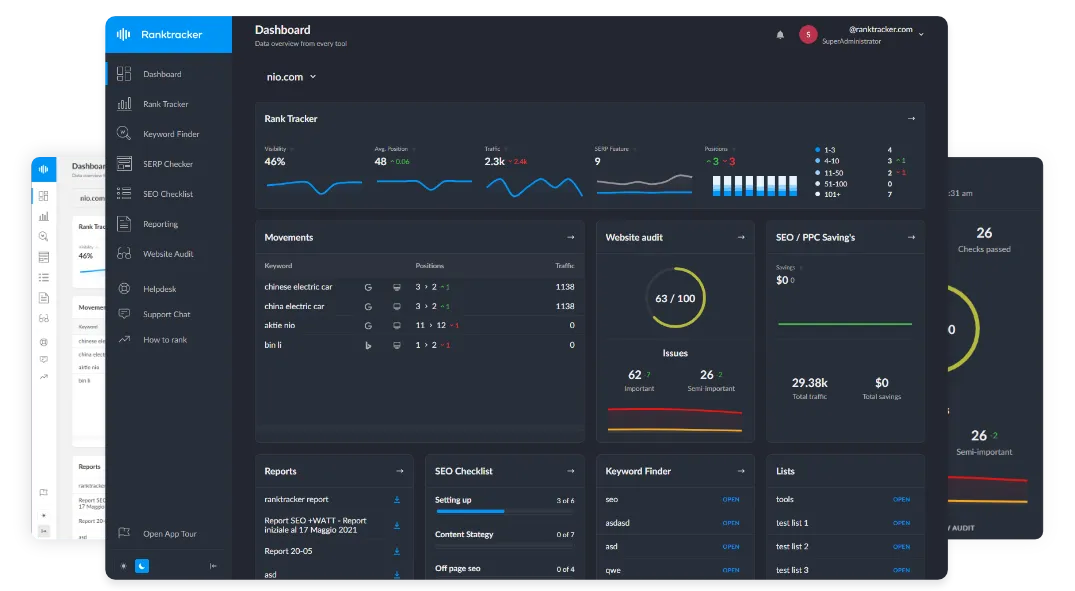
Behind every successful business is a strong SEO campaign. But with countless optimization tools and techniques out there to choose from, it can be hard to know where to start. Well, fear no more, cause I've got just the thing to help. Presenting the Ranktracker all-in-one platform for effective SEO
We have finally opened registration to Ranktracker absolutely free!
Create a free accountOr Sign in using your credentials
Geotagged images and short weekly updates strengthen local signals. Google rewards profiles that remain active because it interprets updates as proof of ongoing operations. Restaurants can post daily specials, chef features, or event announcements. These posts stay visible for a limited time, but they reinforce fresh content cues that help the listing remain relevant.
3. Modern Content Strategy for Restaurants
Content drives SEO when it aligns with the questions diners ask during the decision process. Restaurants benefit from writing pages that address real concerns, such as parking availability, dietary accommodations, private dining capacity, and delivery boundaries. These topics produce long-tail keywords that convert strongly because they match high-intent searches.
Signature dishes give restaurants unique ranking angles. When a dish becomes associated with a location or chef, search engines view the restaurant as an authority on that topic. Pages describing preparation methods, ingredient sourcing, or dish history attract valuable links and social shares. These signals build trust around the restaurant’s identity.
Location-layered content strengthens geographic relevance. Restaurants in large cities can dedicate pages to nearby attractions, neighborhoods, or landmarks. A restaurant near a stadium, museum, or university can create content that supports pre-event dining traffic. Search engines reward local pages with contextual depth because they help users understand how the restaurant fits into their plans.
User-generated content adds credibility. Ratings, photos, and short reviews help search engines assess real-world engagement. Restaurants should reply to both positive and negative reviews with concise, professional responses. Active review management signals that the business pays attention to guest feedback. Review diversity also improves ranking potential across different search intents, such as “romantic dinner,” “quick lunch,” or “kid-friendly places.”
Schema markup enhances visibility by structuring menu data, event details, opening hours, and reservation links. Restaurants can implement Menu Schema to highlight dishes directly in search results. Event Schema benefits restaurants that host tastings, live music, or seasonal dinners. FAQ Schema allows restaurants to appear in answer boxes for questions about parking, dress code, or allergy information.
Blog content helps restaurants demonstrate topical authority. Articles about seasonal ingredients, wine pairings, or behind-the-scenes stories attract organic traffic and inbound links. Restaurants can share recipes strategically, giving just enough information to spark interest without revealing proprietary details. This type of content builds long-term organic momentum and differentiates the brand.
4. Technical SEO That Restaurants Tend to Overlook
Technical SEO determines how quickly diners access essential information. Restaurants often have large image galleries, menu PDFs, reservation widgets, and third-party delivery integrations. These elements slow down load times if not optimized. A fast mobile site directly affects customer decisions because diners frequently search from sidewalks or cars.
The All-in-One Platform for Effective SEO
Behind every successful business is a strong SEO campaign. But with countless optimization tools and techniques out there to choose from, it can be hard to know where to start. Well, fear no more, cause I've got just the thing to help. Presenting the Ranktracker all-in-one platform for effective SEO
We have finally opened registration to Ranktracker absolutely free!
Create a free accountOr Sign in using your credentials
Mobile optimization must reflect real usage patterns. Customers want immediate access to the menu, hours, address, and reservation button. Long intros, large hero images, or autoplay videos can obscure essential information. Restaurants should prioritize fast navigation, clear CTAs, and direct menu access. Sites that minimize steps between search and action convert more traffic.
Page-speed optimization improves ranking signals and user satisfaction. Restaurants can compress images, preload critical content, and limit unnecessary scripts. Delivery or reservation widgets often introduce heavy code, so asynchronous loading or lightweight versions help maintain speed. Google’s Core Web Vitals update shifted more focus toward load stability and visual clarity, making these optimizations essential.
Menu accessibility affects both SEO and customer usability. PDF menus create problems for screen readers, slow load times, and lack keyword visibility. Restaurants should use structured HTML menus with alt-tagged dish images and clear labels. When menus change seasonally, updating the same URL preserves ranking strength and avoids index clutter.
Reservation systems, ordering widgets, and loyalty program pop-ups influence usability. Restaurants that embed multiple third-party tools risk bloated scripts. Consolidating systems or using lightweight integrations reduces friction. Friction affects bounce rates, which indirectly influences search performance.
Accessibility plays a growing role in restaurant SEO. Clear contrast ratios, readable fonts, navigable menus, and alt-text for important images improve usability for all visitors. Search engines track engagement metrics to understand how users interact with the site. Accessible sites keep diners engaged longer, providing stronger ranking signals.
5. Local Authority and Link-Building Through Community Ecosystems
Local link-building depends on relationships rather than mass outreach. Restaurants that interact with the community create natural opportunities for coverage in local newspapers, event listings, food blogs, and regional business directories. These links increase local relevance and authority, improving the restaurant’s placement in map results and organic rankings.
Collaborations with local businesses strengthen digital footprints. Restaurants can partner with breweries, bakeries, farms, or local artists to create co-branded events or limited-edition menu items. Each collaboration creates reason for both partners to share links on their websites or social pages. When restaurants add a short paragraph acknowledging these partners, search engines interpret the connections as meaningful local signals.
Press-worthy storytelling attracts organic media coverage. Restaurants with unique concepts, sustainability initiatives, or unusual sourcing methods draw attention from journalists. A restaurant that grows herbs on its roof, trains young chefs, or hosts rotating culinary residencies gains story angles that reporters want to feature. These stories generate inbound links that remain valuable for years.
Food bloggers remain influential in local search ecosystems. Restaurants benefit from targeted outreach rather than broad campaigns. Inviting local bloggers for menu previews, soft openings, or tasting nights produces authentic content. Bloggers often include links to reservation pages, menu sections, or signature dish write-ups, which strengthen SEO authority.
Charity events create natural media opportunities. Fundraisers, community dinners, or collaborations with nonprofits encourage local press to share event details. These listings often include strong backlinks from reputable community sites. Restaurants that support recurring annual events build long-term link equity.
Local awards and rankings contribute to SEO credibility. Participation in “Best Of” lists, city dining guides, and culinary competitions enhances authority signals. Even nominations produce valuable citations. Restaurants should monitor local publications for submission opportunities and maintain updated information for award pages.
6. Tracking Performance and Adapting to SEO Trends
SEO for restaurants requires consistent performance tracking. Restaurants should monitor phone calls, direction requests, reservation clicks, menu views, and online orders. These metrics reflect real customer interest more accurately than general traffic numbers. Google Business Profile Insights provides valuable data that reveals daily search patterns and peak discovery times.
GA4 offers detailed behavior tracking. Restaurants can measure which pages drive reservations, how far users scroll, and where they drop off. Understanding these patterns enables restaurants to adjust site structure or refine messaging. For example, if users exit before reaching the reservation button, the button might need repositioning or clearer labeling.
Search Console reveals how search engines interpret the site. Restaurants can identify ranking queries, detect indexing issues, and refine content based on impressions and click-through rates. Pages with strong impressions but weak clicks may require better titles, clearer meta descriptions, or structured data enhancements.
Voice search affects restaurant discovery. Diners ask conversational questions about hours, parking, dietary accommodations, or ambiance. Restaurants that create FAQ pages and use structured data improve their chances of appearing in voice-driven results. Voice search often favors concise answers drawn from trusted local pages.
The All-in-One Platform for Effective SEO
Behind every successful business is a strong SEO campaign. But with countless optimization tools and techniques out there to choose from, it can be hard to know where to start. Well, fear no more, cause I've got just the thing to help. Presenting the Ranktracker all-in-one platform for effective SEO
We have finally opened registration to Ranktracker absolutely free!
Create a free accountOr Sign in using your credentials
AI-driven search results, such as Google’s Search Generative Experience, rely on structured data and authoritative local signals. Restaurants that organize their content clearly, maintain consistent directory listings, and update daily details stand a better chance of appearing in AI summaries. These summaries influence where users click next, shaping overall visibility.
Monthly SEO maintenance keeps a restaurant’s digital presence aligned with real-world operations. Restaurants should review hours, categories, menu URLs, image freshness, and seasonal event listings. Even small inconsistencies affect ranking over time. When staff updates decor, layout, or furniture, new images help search engines reassess the restaurant’s style, such as when a renovation introduces new restaurant bar stools that shift the restaurant’s interior character.
Bringing It All Together for Sustainable Restaurant SEO
Modern restaurant SEO succeeds when it reflects how diners actually search. People want quick answers about food, convenience, and atmosphere. Restaurants that provide these details in structured, fast-loading formats attract more qualified customers. Local identity, technical precision, and meaningful content all work together to create a strong presence across search ecosystems.
Restaurants that approach SEO as an ongoing operational task rather than a one-time project see better results. Daily specials, updated images, seasonal menus, and active community involvement give search engines continuous signals about the restaurant’s relevance. The goal is not to chase algorithms but to build a digital environment that reflects the real dining experience accurately and consistently.
When restaurants align their content with real guest behavior, search engines elevate them naturally. Modern SEO for restaurants rewards clarity, structure, engagement, and local authority. By applying these principles, restaurants create a digital footprint that attracts new diners, strengthens loyalty, and builds long-term resilience in a competitive market.